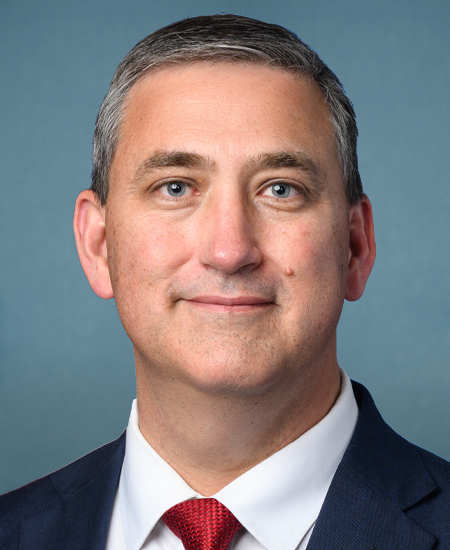
Photo of Nathaniel Moran
R United States House · District 1 · Texas On the 2026 ballot

Rep. Nathaniel Moran

Compare
Total votes
1,879
all sessions
Attendance
99%
19 missed
Near the chamber average
With party
95%
of cast votes
Higher than 97% of chamber peers
Bipartisan score
3%
crosses aisle rarely
Lower than 98% of chamber peers
Sponsored
523
bills & resolutions
Near the chamber average
Committees
5
assignments
523 bills and resolutions

Sponsored bills

Total
523
Primary
46
Co-sponsor
477
This page
523
matching current filters
Primary HR 9644
In committee · Michigan House · Lead sponsor
Medicare Advantage MLR Transparency Act

Maddy summaryThe Medicare Advantage MLR Transparency Act requires insurance companies offering Medicare Advantage plans to publicly disclose detailed financial data starting in 2029. Under this bill, each plan must report how much total revenue it collects and specifically how much is spent on actual medical claims versus administrative overhead costs. The law also mandates that this financial information be presented in a consumer-friendly format and aligns the way benefits are displayed with standards used by other health insurance plans. These changes aim to give Medicare beneficiaries clearer insight into how their premiums are utilized by the plans they choose.

In committee Jul 15, 2026 0 co-sponsors
Co-sponsor HR 3514
In committee · Michigan House · Co-sponsor
Improving Seniors’ Timely Access to Care Act of 2025

Maddy summaryThis bill requires Medicare Advantage plans to implement electronic pre-approval systems for medical services by 2028 and meet transparency reporting standards starting in 2027. Plans must publicly report data on approval/denial rates, appeal outcomes, response times, and technology use for pre-approval requests, including details on how denials relate to clinical criteria. It establishes a 24-hour response timeframe for certain requests and mandates annual reviews of pre-approval requirements based on data and input from seniors and providers. The law directly affects Medicare Advantage plans, seniors enrolled in these plans, and healthcare providers who submit pre-approval requests. These changes aim to make the pre-approval process faster, more transparent, and more accountable for seniors seeking covered medical services.

In committee Jul 15, 2026 1 co-sponsor
Co-sponsor HR 1181
Passed · Michigan House · Co-sponsor
Protecting Privacy in Purchases Act

Protecting Privacy in Purchases Act This bill prohibits payment card networks from using merchant codes that distinguish firearms retailers from general-merchandise retailers or sporting-goods retailers. The Department of Justice must enforce this bill and report annually on the resulting investigations and cases.

Passed Jul 15, 2026 1 co-sponsor
Primary HR 9477
In committee · Michigan House · Lead sponsor
AI Incident Reporting Act

Maddy summaryThe AI Incident Reporting Act requires artificial intelligence developers to report specific high-risk incidents to the Secretary of Commerce within seven days of discovery. These reportable events include attempts to evade oversight, unauthorized theft of model weights, capabilities that could accelerate cyberattacks or weapon development, and any incidents posing serious risks to national security or public safety. To encourage transparency, the bill provides legal protections that prevent reported information from being used against developers in lawsuits or regulatory enforcement actions, while also mandating that sensitive data be kept confidential. Developers must submit detailed descriptions of these incidents, and the government must notify key congressional leaders immediately if a report indicates an imminent threat. The Act also establishes a framework for the Secretary to define which AI models are covered and to enforce compliance through civil penalties of up to $2 million for violations.

In committee Jun 25, 2026 0 co-sponsors
Co-sponsor HR 9397
In committee · Michigan House · Co-sponsor
Premium Transparency Act

Maddy summaryThe Premium Transparency Act requires health insurers and Medicare Advantage organizations to publicly disclose how they spend premium revenue, specifically detailing the percentages allocated to claims, overhead costs, and retained profits. Starting in 2027, these companies must publish this data in a consumer-friendly format on their websites for each plan they offer, allowing individuals to compare financial transparency across different coverage options. Additionally, the bill mandates that the government issue standardized guidance by 2028 to ensure key plan details, such as deductibles, out-of-pocket limits, and specific care costs, are presented in plain English. A further provision updates online plan comparisons to include this new financial data beginning in 2029, aiming to help consumers make more informed decisions about their health insurance.

In committee Jun 25, 2026 1 co-sponsor
Co-sponsor HR 9250
In committee · Michigan House · Co-sponsor
Great American Outdoors Act 250

Maddy summaryThis bill redesignates the existing National Parks and Public Land Legacy Restoration Fund as the America's Legacy Restoration Fund to address deferred maintenance on federal lands. It directs revenue from recreation fees and a portion of energy development income into the fund, which must be used primarily for repairing critical infrastructure like roads, trails, and buildings managed by agencies such as the National Park Service and the Forest Service. The legislation establishes strict rules requiring that most funds go toward non-transportation projects, mandates transparency through public dashboards tracking project status, and sets aside a small percentage for matching private donations. Additionally, the bill increases entrance fees for foreign visitors to ensure they contribute to the fund, while prohibiting the use of these specific funds for land acquisition or employee bonuses.

In committee Jun 24, 2026 1 co-sponsor
Co-sponsor HR 2152
In committee · Michigan House · Co-sponsor
AI PLAN Act

Maddy summaryHR 2152, the AI PLAN Act, requires the Treasury, Homeland Security, and Commerce departments to create annual reports addressing AI risks in financial crimes. These reports must detail current defenses against AI-driven fraud, misinformation, deepfakes, voice cloning, and foreign election interference, plus list available and needed resources (like technology and funding) to protect U.S. financial systems. The bill directs agencies to submit legislative recommendations within 90 days of each report to help combat these threats. It primarily affects federal agencies and indirectly impacts businesses and individuals targeted by AI-powered financial crimes.

In committee Jun 24, 2026 1 co-sponsor
Co-sponsor HR 9383
In committee · Michigan House · Co-sponsor
Small Business and Consumer Credit Act of 2026

Maddy summaryThe Small Business and Consumer Credit Act of 2026 changes how certain financial institutions can use tax losses to offset future profits. It allows these banks to carry forward net operating losses for up to 20 years, with additional rules allowing them to carry losses back to previous years starting in 2028. The law specifically applies to independent banks and certain affiliated groups, requiring them to make an irrevocable election on their tax returns to use these new provisions.

In committee Jun 22, 2026 1 co-sponsor
Co-sponsor HR 425
In committee · Michigan House · Co-sponsor
Repealing Big Brother Overreach Act

Repealing Big Brother Overreach Act This bill repeals the Corporate Transparency Act. The act requires existing companies and newly created companies to report beneficial ownership information to the Department of the Treasury’s Financial Crimes Enforcement Network for purposes of addressing the financing of terrorism and money laundering.

In committee Jun 18, 2026 1 co-sponsor
Co-sponsor HRES 1340
In committee · Michigan House · Co-sponsor
Expressing strong opposition to the imposition of digital services taxes and other relevant similar measures by other countries that unfairly discriminate against United States companies.

Maddy summaryThis resolution expresses the House of Representatives' opposition to foreign countries imposing digital services taxes that discriminate against U.S. companies. It highlights that these taxes unfairly target gross revenues rather than actual profits and penalize businesses that do not have a physical presence in the taxing country. The bill calls on other nations to repeal such measures and engage in fair trade negotiations based on international tax principles. Additionally, it supports the use of trade tools like Section 301 investigations to protect American businesses from these discriminatory practices.

In committee Jun 4, 2026 1 co-sponsor
Showing 31 to 40 of 523 bills
Previous 1 … 3 4 5 … 53 Next