

Maddy summaryThe Restoring Overtime Pay Act of 2026 raises the minimum salary required for certain employees to be exempt from federal overtime pay rules, starting at $45,000 per year and increasing annually until it reaches $75,000 by 2029. The bill also mandates that this threshold automatically updates each year to match the 55th percentile of weekly earnings for full-time salaried workers nationwide, with adjustments taking effect based on Bureau of Labor Statistics data. Additionally, the law modifies the duties test for exemption, requiring that at least 20 percent of an employee's time be spent on executive or administrative tasks rather than the current 40 percent standard. These changes directly affect employers and workers covered by the Fair Labor Standards Act by redefining eligibility for overtime exemptions and establishing a new mechanism for adjusting salary requirements over time.
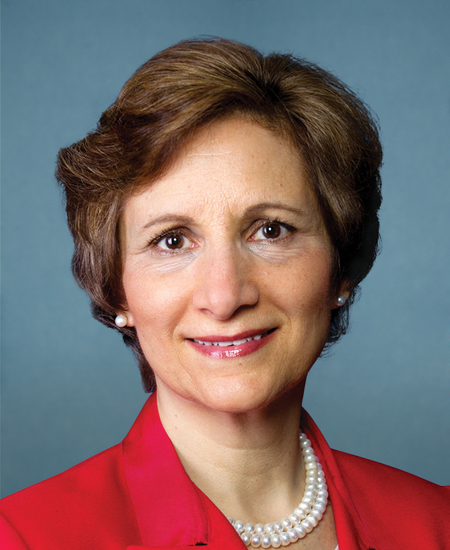
Rep. Suzanne Bonamici
Sponsored bills
Maddy summaryThe Build to Scale Reauthorization Act of 2026 extends funding and updates rules for the Regional Technology and Innovation Hub Program, which supports economic development in specific geographic areas. The bill defines eligible organizations as state or nonprofit groups that provide direct financing, commercialization services, and entrepreneurial support to local businesses. It mandates that the federal government cover up to 90 percent of project costs and requires outreach to rural communities and areas facing economic hardship. Additionally, the legislation authorizes $50 million annually from 2026 to 2030 and allows the use of previously unspent funds to continue the program.
Maddy summaryH.Res. 1291 is a non-binding resolution that formally recognizes May 3 through May 9, 2026, as Wildfire Preparedness Week. The bill aims to raise public awareness about wildfire risks and promote educational initiatives regarding fire safety and evacuation planning. It highlights the dangers of smoke exposure for both the general public and firefighters while noting that human activity causes the majority of wildland fires. This measure does not change laws or allocate funding, but rather expresses the House of Representatives' support for these preparedness goals.
Maddy summaryThe Universal School Meals Program Act of 2026 mandates that all public schools provide free breakfast and lunch to every enrolled student, regardless of income. It establishes specific funding rates for these meals, adjusts payments based on the use of locally sourced food, and eliminates the ability of schools to collect debt for unpaid charges. Additionally, the bill expands free meal access to summer programs, afterschool care, and incarcerated juveniles while updating poverty measurement standards across various federal education and nutrition laws.
Maddy summaryThe Full-Service Community School Expansion Act of 2026 authorizes billions of dollars in federal funding to expand a program that helps public schools in high-poverty areas provide integrated student supports, extended learning time, and active community engagement. The bill establishes specific roles for coordinators and directors to manage these efforts and requires schools to form leadership teams that include students, parents, educators, and community members. Funding is distributed through competitive grants to local educational agencies, states, and tribal organizations, with priority given to schools serving low-income students and those in rural or tribal areas. The legislation also mandates regular reporting on student outcomes and school climate to ensure accountability and continuous improvement.
Maddy summaryThe SMART Kids Act directs the Surgeon General to create evidence-based guidelines on daily screen time limits for children across six specific age groups. To ensure objectivity, the Surgeon General must work with an independent expert panel that has no financial conflicts of interest before finalizing these recommendations. Once completed, the guidelines will be published online and submitted to Congress within one year of the law's enactment. This legislation does not impose new legal restrictions on families but instead establishes a federal process for generating health advice on device usage.
Maddy summaryThis bill expresses the sense of Congress that medication abortion is a safe medical treatment approved by federal regulators. It asserts that this federal approval overrides any state laws requiring the procedure to be dispensed in person by a healthcare provider. Additionally, the bill states that federal approval preempts state restrictions on prescribing or dispensing medication abortion through telehealth. Essentially, the legislation argues that states cannot enforce rules limiting how medication abortion is delivered if those rules conflict with the federal approval process.
Maddy summaryThis resolution expresses support for designating July 15, 2026, as Glioblastoma Awareness Day to raise public awareness about this aggressive and deadly form of brain cancer. The bill honors patients and caregivers while encouraging greater understanding of the urgent medical needs associated with the disease, which currently has a low survival rate and limited treatment options. It also calls for increased collaboration among government, private, and nonprofit organizations to advance research and develop better therapies for those affected.
Maddy summaryThis resolution formally recognizes National Nurses Week, which takes place from May 6 to May 12, 2026, to honor the contributions of nurses to the U.S. healthcare system. The document highlights the vital role nurses play in patient care, public health, and research, noting their status as the largest component of the healthcare profession. By supporting the goals set by the American Nurses Association, the House encourages the public to observe the week with ceremonies and activities that acknowledge the profession's ethical standards and impact on patient safety.
Maddy summaryThe Skill Savings Account Act of 2026 creates a new type of tax-advantaged account designed to help eligible U.S. employees save money specifically for qualified education expenses. Under this bill, both employers and employees can contribute cash to these accounts without immediately paying income tax, provided the total contributions do not exceed $5,250 for employer contributions and $10,000 for employee contributions in a single year. Funds withdrawn from the account must be used exclusively for education costs to remain tax-free; otherwise, the distribution is taxed as income and subject to an additional 20% penalty for beneficiaries under age 65. The legislation also establishes specific rules for trust management and requires the Treasury Department to issue regulations within one year of enactment.