

Maddy summaryHR 9274, the SHAWL Act, establishes two new Smithsonian museums: the National Museum of the American Latino and the American Women’s History Museum. It authorizes both museums to be located within the National Mall’s "Reserve" area, overriding prior restrictions, and requires federal agencies managing potential sites to transfer jurisdiction to the Smithsonian after notifying congressional committees. The bill mandates that both museums accurately represent diverse cultures, histories, and viewpoints within Latino and women’s communities through exhibits and programs, requiring input from a broad range of community experts. It also requires the Smithsonian to submit biennial reports to Congress detailing compliance with these representation requirements.
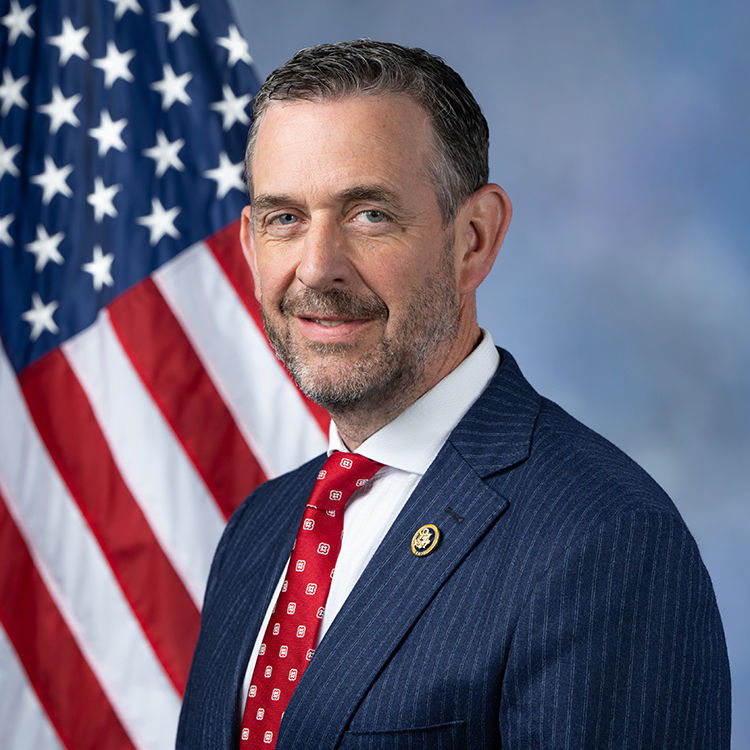
Rep. Michael A. Rulli
Sponsored bills
Maddy summaryThis bill increases funding for replacing insecure communication networks from $1.9 billion to $4.98 billion and allocates $3.08 billion for fiscal year 2024. It overhauls the Affordable Connectivity Program (ACP) by requiring all providers to use the National Verifier for eligibility checks, ending eligibility based on providers' own low-income programs, and removing device subsidies. The bill also mandates new antifraud controls, requires providers to certify households won't face early termination fees, and demands a report on program effectiveness within one year. These changes directly affect low-income households receiving subsidized broadband and internet service providers participating in the ACP.
Maddy summaryThis bill imposes sanctions on individuals and entities within the Palestinian Authority (PA) and Palestine Liberation Organization (PLO) that administer or support a system paying terrorists and their families. It targets PA/PLO officials, specific entities like the Commission of Prisoners, and financial institutions processing these payments, requiring property blocking, visa bans, and restrictions on U.S. financial transactions. The sanctions apply if the PA/PLO continues payments described in the Taylor Force Act (2018), which previously mandated ending such payments. The bill terminates if the Secretary of State certifies the PA/PLO has ceased these payments.
Maddy summaryHR 9074, the Safe Freight Act of 2024, requires major freight railroads to operate most trains with a minimum two-person crew (one conductor and one engineer) on main-line tracks. This applies to trains on tracks carrying significant traffic (over 5 million gross tons annually) with speeds exceeding 25 mph, unless specific exceptions apply - such as short-distance moves, non-main-line operations, or existing low-crew operations deemed safe. The law specifically prohibits these exceptions for trains carrying hazardous materials (like flammable liquids, explosives, or toxic gases) or those exceeding 7,500 feet in length. The bill aims to standardize safety crew requirements without altering existing federal safety authority.
Maddy summaryThe Railroad Safety Enhancement Act of 2024 establishes new safety requirements for high-hazard trains carrying hazardous materials, including speed limits of 50 mph (40 mph in urban areas) for trains with 20 or more flammable liquid tank cars. The bill requires rail carriers to provide real-time electronic train consist information to emergency responders and State emergency commissions, including details about hazardous materials being transported, routes, and emergency response contacts. It mandates railroads to develop and regularly update hazardous materials emergency response plans, with triennial reviews by the Federal Railroad Administration. The act also phases out older tank cars by December 2027, requiring all tank cars to meet DOT-117 specifications for flammable liquids, and increases civil penalties for rail safety violations up to $5 million.
Keep Every Extra Penny Act of 2024 This bill excludes from gross income, for income tax purposes, overtime compensation required to be paid by the Fair Labor Standards Act of 1938 (hours of work in excess of 40 in a week).
Maddy summaryHR 8537, the East Palestine Health Impact Monitoring Act of 2024, requires the U.S. Department of Health and Human Services (HHS) to fund a long-term health study on the effects of the February 3, 2023, train derailment in East Palestine, Ohio. The bill directs HHS to award grants to university consortia with community ties to study human health impacts from the derailment and subsequent chemical venting and burning. It mandates two progress reports to Congress (within two years of funding and one year after study results are published) detailing study challenges, timelines, and findings. The bill authorizes up to $1 million in funding for fiscal year 2025, available until September 2029, to support this research.
Maddy summaryHR 895, the Combating Organized Retail Crime Act of 2023, expands federal law to better prosecute organized retail theft by amending sections 2314 and 2315 of Title 18. It clarifies that crimes involving stolen goods valued at $5,000 or more over 12 months - including retail theft - can be prosecuted under existing federal statutes, and broadens definitions to include goods taken via "any facility of interstate or foreign commerce." The bill also creates a new Organized Retail Crime Coordination Center within Homeland Security, requiring it to coordinate federal, state, and local law enforcement efforts, share threat information with retailers, and produce annual public reports on trends. This directly affects law enforcement agencies, retailers, and criminal justice systems by standardizing prosecution thresholds and enhancing interagency collaboration.
Maddy summaryThis bill requires the President to provide Congress with a 15-day written notice before pausing, delaying, or suspending U.S. arms shipments to Israel, including detailed justification and impact analysis. It establishes strict congressional review periods: 15 days for initial review, plus additional 10-12 day windows if Congress introduces a disapproval resolution, effectively giving lawmakers significant power to block such pauses. The bill directly affects the President and the White House by restricting unilateral decisions on military aid to Israel, specifically targeting delays like the May 2024 pause on bomb shipments. Key provisions define "covered defense articles" as weapons under existing export laws and mandate transparency about funding, end users, and potential impacts on Israel’s military edge.
Maddy summaryThis resolution (HRES 1199) commemorates the 50th anniversary of Turkey's 1974 military invasion and ongoing occupation of northern Cyprus. It formally condemns Turkey's continued occupation, calls for the immediate withdrawal of its 35,000 troops, and demands the removal of over 200,000 Turkish settlers from the occupied territory. The resolution also urges Turkey to assist in repatriating displaced Cypriot refugees and to cooperate on resolving the fate of missing persons, including U.S. citizens. As a symbolic congressional statement, it does not create binding law but expresses the House's position on the Cyprus issue.