

Maddy summarySB 378 requires Michigan public schools to receive annual letter grades (A-F) starting in the 2025-2026 school year based on five specific metrics: student proficiency in math and English language arts, student growth in those subjects, progress for English language learners, high school graduation rates, and academic performance compared to similar schools. The grades are assigned by the state education department using defined measures, such as growth from fall to spring assessments or maintaining proficiency. This directly affects all public schools in Michigan by publicly reporting their performance across these standardized indicators. The bill does not change school funding or operations but creates a new transparency framework for reporting school performance.
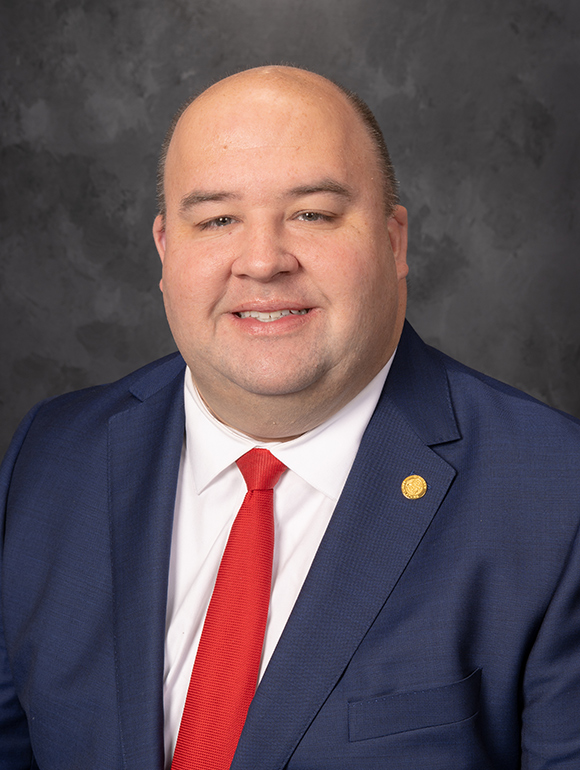
Sen. Michael Webber
Sponsored bills
Maddy summarySB 379 modifies Michigan's school code to require school districts to base personnel decisions (like layoffs, recalls, or hiring) on teacher effectiveness measured by the existing performance evaluation system, rather than length of service or tenure alone. It specifically prohibits retaining teachers rated "ineffective" over those rated "minimally effective," "effective," or "highly effective," and mandates that individual performance - especially student growth - be the primary factor. School districts must adopt transparent procedures for these decisions, considering factors like teaching skills, classroom management, and contributions to school performance. The bill directly affects public school teachers, administrators, and school districts in Michigan, changing how staffing changes are handled. It also limits remedies for teachers challenging decisions to reinstatement only, excluding financial damages.
Maddy summarySB 380 modifies Michigan's teacher tenure rules to clarify how probationary teachers (new teachers) achieve tenure and how performance evaluations affect both probationary and tenured teachers. It requires probationary teachers to earn "effective" or "highly effective" ratings on their most recent three year-end evaluations (with specific timelines: 5 years before July 1, 2024, and 4 years after) to complete their probationary period. For tenured teachers rated "ineffective" or "minimally effective," the bill mandates an individualized development plan with clear goals, to be completed within 180 days. The bill directly affects public school teachers in Michigan, particularly new educators seeking tenure and existing tenured teachers needing performance support.
Maddy summarySB 376 requires Michigan's Department of Education to approve reading assessments for K-3 students and establish literacy coaches to improve early reading instruction. It mandates that school districts implement literacy coaches with specific qualifications (e.g., bachelor's degree in reading, expertise in evidence-based methods) by 2027-2028, focusing on screening, data analysis, and targeted interventions for students struggling with reading. The bill also directs the department to develop dyslexia expertise and update resources by 2025, with technical assistance for schools. This directly affects K-3 teachers, students with reading difficulties, and school districts implementing the new requirements. The policy aims to prevent reading deficiencies through structured literacy support, not grade retention.
Maddy summarySB 377 amends Michigan's high school graduation requirements under the Revised School Code. It requires students to complete specific credit bundles, including 4 math credits (with new flexibility to fulfill some through career-technical education programs like computer science or engineering), 3 social science credits (covering U.S. history, world history, economics, and civics), and visual arts/performing arts credits. The bill directly affects all Michigan public high school students seeking diplomas by changing their course requirements. Key mechanisms include allowing career-technical education programs to count toward math credits and specifying exact social science course requirements.
Maddy summaryThis Michigan bill amends labor law to prohibit public school districts from negotiating with teacher unions about 16 specific topics, including school calendars, staffing decisions, performance evaluations, and classroom observation policies. It directly affects school districts and their employee unions by restricting collective bargaining to only wages, hours, and basic working conditions. Key provisions add these topics to a formal list of "prohibited subjects" in bargaining agreements, meaning schools cannot discuss them during contract negotiations. The bill clarifies that operational decisions like school schedules (for state aid eligibility) and staffing reductions remain the sole responsibility of school districts.
Maddy summarySenate Concurrent Resolution 5 is a memorial resolution honoring the life and public service of Darwin Booher, a former member of both the Michigan Senate and House of Representatives. The resolution offers tribute to his contributions and transmits copies to his family.
Maddy summarySenate Bill 325 amends existing laws concerning how public utilities, including gas, electric, and steam providers, can adjust their rates for customers. It outlines the process for utilities to file rate increase requests with the Public Service Commission (PSC), requiring them to provide supporting evidence and allowing for public notice and hearings. The bill sets timelines for the PSC to review these applications and allows certain gas utilities to seek partial, immediate rate relief. A key change is the elimination of a provision that previously allowed utilities to implement proposed rate increases after 180 days if the PSC had not issued a final order, as this specific mechanism now only applies to applications filed before April 20, 2017.
Maddy summarySB 324 requires the Public Service Commission to establish a "shared savings mechanism" for electric utilities in Michigan. This mechanism aims to incentivize electric utilities to invest in programs that reduce energy waste, conserve energy, and manage demand. Utilities can earn financial incentives based on the annual electric energy savings they achieve. The incentive is calculated as a percentage of the net benefits from these programs, with higher savings leading to a greater percentage of shared savings, up to a specified cap related to program expenditures.
Maddy summarySB 326 proposes to repeal the "Community and worker economic transition act" (2023 PA 232). This act currently establishes a community and worker economic transition office. If enacted, SB 326 would eliminate this existing act and the office it created.