Maddy summaryHB 5981 requires automobile insurers in Michigan to file premium rates that achieve specific percentage reductions for personal protection insurance coverage by July 1, 2020, and maintain those reductions through 2028. The bill mandates that the state insurance director review and disapprove any filings that fail to meet these reduction targets, which vary based on the policy's coverage limits. Additionally, insurers must pass on savings from medical treatment costs incurred in accidents before July 2, 2021, and cannot issue or renew policies without director approval of their rates.
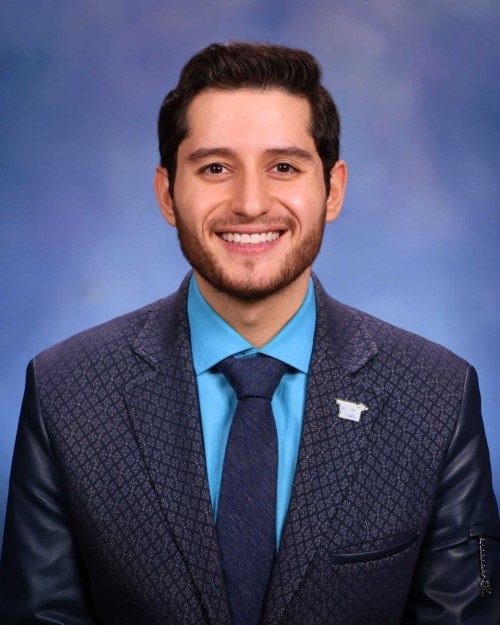
Rep. Noah Arbit
Sponsored bills
Maddy summaryThis bill updates Michigan's no-fault insurance laws to set new maximum payment limits for medical treatment and rehabilitation services provided to injured individuals. It establishes specific reimbursement percentages based on Medicare rates, which vary by year and the type of provider, such as general physicians, hospitals with high indigent patient volumes, specialized trauma centers, and designated freestanding rehabilitation facilities. The legislation also includes provisions for providers lacking Medicare payment benchmarks by capping their charges at a percentage of their historical rates from 2019. These changes directly affect healthcare providers treating personal protection insurance claims and the insurers that reimburse them.
Maddy summaryThis bill, known as Messiah's Law, creates a new felony offense for intentionally firing a gun at a motor vehicle that the shooter knows or should know is occupied. The law directly affects individuals who commit this act by establishing criminal penalties that include up to 10 years in prison and a fine of up to $10,000. If the vehicle contains a minor, the penalties increase to a maximum of 20 years in prison and a fine of up to $20,000. The legislation amends Michigan's penal code by adding a new section to address this specific type of firearm discharge.
Maddy summaryThis bill proposes to amend Michigan's sentencing guidelines to address specific firearm-related offenses. It would establish sentencing recommendations for individuals who intentionally discharge a firearm from a vehicle or at a dwelling or potentially occupied structure. The changes would apply to judges and prosecutors handling cases involving these specific types of gun discharges. The legislation aims to provide clearer guidance on sentencing for these particular circumstances.
Maddy summaryHB 5636 designates a specific segment of Telegraph Road (US-24 between 9 Mile Road and 14 Mile Road) as the "Deputy Claude Wilson Memorial Highway." This bill is purely commemorative, naming a roadway section in honor of Deputy Claude Wilson without altering any traffic laws, funding, or infrastructure. It amends Michigan's Memorial Highway Act by adding Section 123 to formally establish the highway name. The bill has been introduced but not yet acted upon by the Transportation and Infrastructure Committee.
Maddy summaryHB 5331 prohibits state agencies, local governments, universities, community colleges, and other entities receiving state funds from purchasing certain drones. It extends the same drone purchase restrictions that apply to the federal government to these Michigan entities. The bill amends Michigan's Management and Budget Act to require these organizations to follow federal guidelines when acquiring drones with state money. This directly affects any state-funded organization that might otherwise buy drones for operations.
Maddy summaryHB 5329 prohibits Michigan public entities (like state agencies, cities, schools, and counties) from purchasing or acquiring drones that include software developed by entities on three specific federal sanction lists. These lists include companies designated under the 2021 National Defense Authorization Act, the Chinese Military-Industrial Complex Sanctions List, and certain Commerce Department restrictions. The ban takes effect one year after the bill passes, with an exception for entities complying with existing Michigan drone regulations (2016 PA 436). This bill directly affects all government drone procurement decisions in Michigan by restricting purchases from targeted foreign manufacturers.
Maddy summaryHB 5971 establishes the Language Assistance for Elections Act, which requires Michigan local governments to provide election materials in languages other than English if their voting-eligible population meets specific thresholds based on the number and percentage of residents with limited English proficiency. The bill mandates that these materials, including ballots and signage, be translated by certified translators rather than relying solely on automatic translation services, and it outlines requirements for updating voting technology to display translated ballots. Additionally, the legislation creates a Language Access Advisory Council to guide these efforts and instructs the Secretary of State to publish annual lists of local governments and languages requiring assistance.
Maddy summaryHB 5969 creates a new State Voting Rights Act in Michigan designed to protect the voting rights of racial, color, and language minority groups. The bill prohibits local governments and officials from implementing election rules or policies that result in disparities in voter participation or impair the ability of minority groups to elect their preferred candidates. Key provisions include defining terms like 'protected class' and 'racially polarized voting,' establishing a legal standard to challenge discriminatory election practices, and creating a fund to support remedies for violations.
Maddy summaryThis resolution officially designates May 2026 as Asian Pacific American Heritage Month throughout the state of Michigan. It directly affects state government entities and encourages all citizens to recognize and celebrate the contributions of Asian Pacific American residents. The measure serves as a formal acknowledgment of the community's cultural diversity and historical impact on the state, rather than implementing new laws or funding.