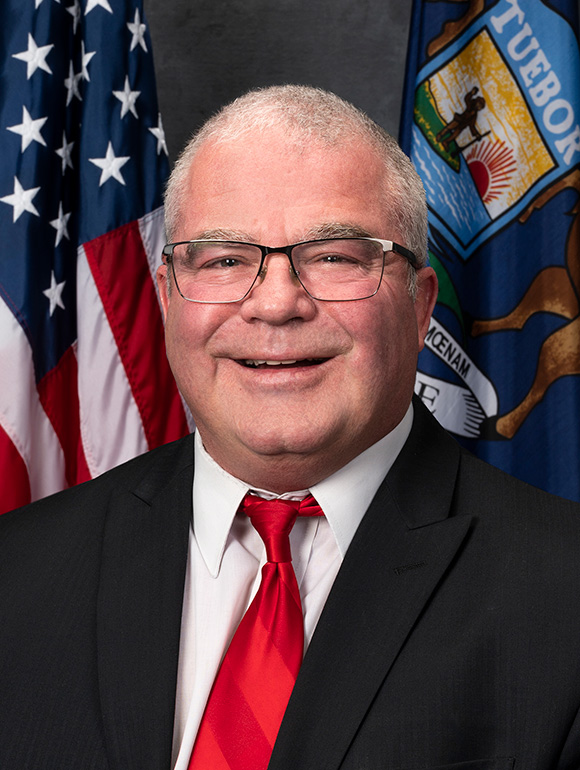
SB 541 creates the Michigan National Guard member benefit fund in the state treasury to support existing benefit programs for National Guard members. The fund receives deposits from any source, earns interest through state treasurer investments, and retains all money year-to-year without lapsing to the general fund. The Department of Military and Veterans Affairs administers the fund and can only use its money to implement the Michigan National Guard tuition assistance program (2014 PA 259) and the Michigan National Guard child care assistance act. This bill directly affects Michigan National Guard members by ensuring dedicated funding for their tuition and child care benefits through these established programs.
This bill designates a specific section of US-131 in Mecosta County as the "Sgt. Matthew Webber Memorial Highway" to honor a fallen service member. The legislation amends Michigan's highway naming laws by adding a new section that officially names the stretch of road between 11 Mile Road and Old State Road. This change affects only the official signage and legal designation of that roadway segment, with no changes to traffic rules or road maintenance responsibilities. The memorial name serves as a permanent tribute to Sgt. Webber within the state's transportation infrastructure.
SB 208 creates the Michigan Veterans Coalition Grant Program, which provides state funding to veteran service organizations (VSOs) to support their operations. To qualify, VSOs must certify they provide accredited veteran service officer hours to help veterans access federal benefits like healthcare and financial aid. Grants come from the existing Michigan Veterans Coalition Fund and cover allowable costs directly tied to veteran service operations, such as staffing and outreach. The program requires approval from the Michigan Veterans Affairs Agency and depends on SB 207 becoming law. The bill passed the Senate on June 3, 2025, but remains pending legislative action.
SB 207 creates the Michigan Veterans Coalition Fund in the state treasury to support veterans' services. The fund receives and manages money from various sources (not lapsing to the general fund), with the Michigan Veterans Affairs Agency administering it to establish and run a grant program. This program will provide funding to organizations serving Michigan veterans, directly benefiting veterans through community-based support services. The bill requires Senate Bill 208 to pass first before taking effect.
SB 215 regulates who can provide veterans' benefit assistance in Michigan by amending the Michigan Consumer Protection Act. It restricts service providers to government agencies, VA-accredited individuals, or recognized veterans' organizations, and bans upfront fees - allowing only contingent fees capped at 5 times the monthly benefit increase. Providers must disclose free government services, that benefits aren’t guaranteed, and that no compensation can be charged for claims filed during the 1-year presumptive period. The bill also mandates specific disclaimers in advertising about veterans' benefit events, clarifying they’re not affiliated with VA or state agencies.
SB 175 is a funding bill that allocates $291.5 million for Michigan's Department of Military and Veterans Affairs for fiscal year 2025-2026. It directly provides funding for Michigan National Guard operations (including training and facilities), veterans service agencies (through county grants and administration), and veterans homes (like Chesterfield, Grand Rapids, and Jacobetti facilities). The bill specifies funding sources including federal military revenues, state general funds, and special revenue streams like veterans license plate fees. This appropriation act does not create new programs but authorizes existing department spending for staffing, operations, and capital maintenance.