Issue · Technology

Technology (Social Media)

Every technology bill, vote, and legislator stance in Michigan, automatically classified by Maddy, our AI policy reader.

Total bills
13
2025-2026 Regular Session
Top supporter
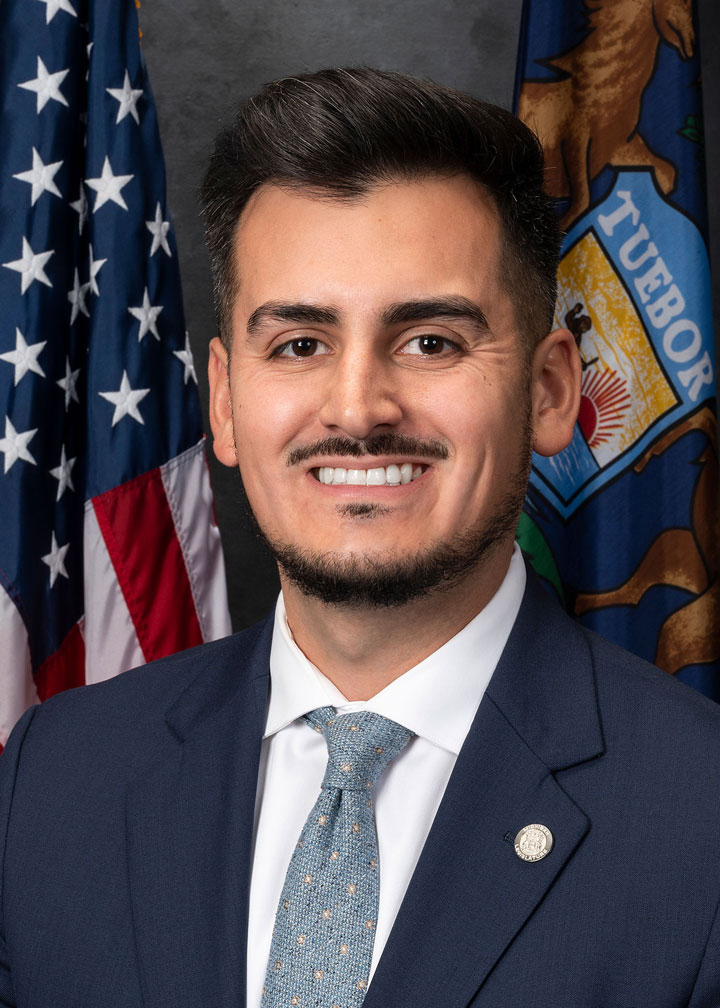
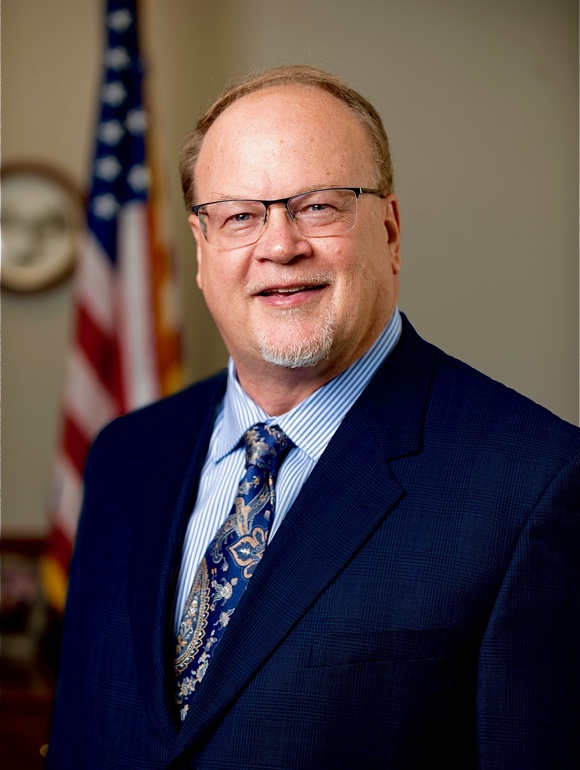
Darrin Camilleri
100% support rate
Top opponent
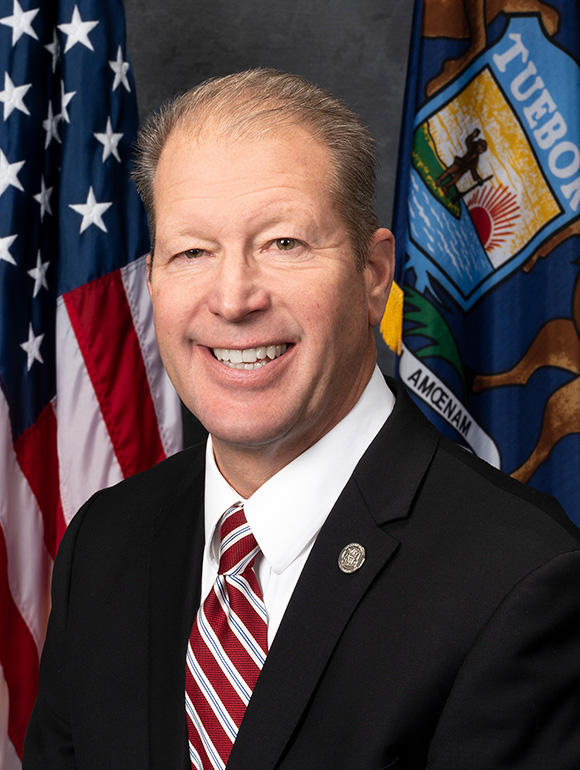
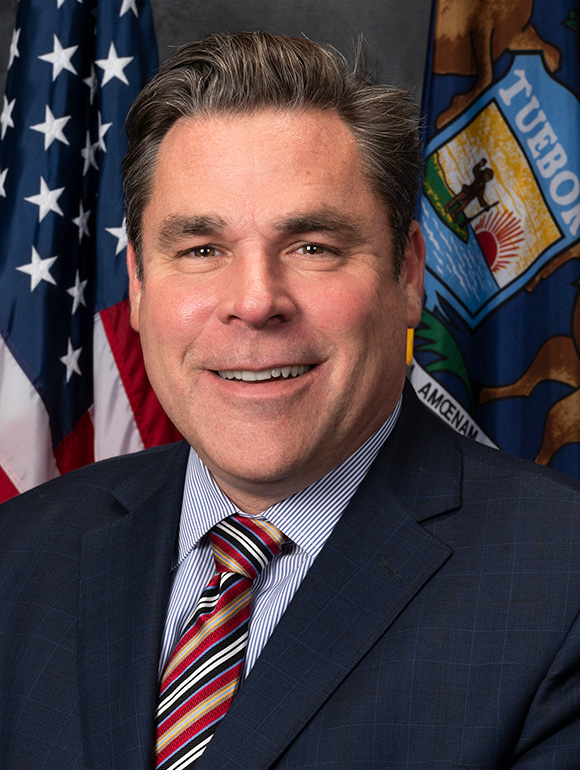
Aric Nesbitt
0% support rate
Ranked legislators
10
5 support · 5 oppose
Key legislators

Who's moving social media in Michigan

Legislators moving social media in Michigan
Legislator Party Stance Support rate Votes
Darrin Camilleri
Darrin Camilleri Senate · District 4
D
Strong +
100% 3
Dayna Polehanki
Dayna Polehanki Senate · District 5
D
Strong +
100% 3
Ed McBroom
Ed McBroom Senate · District 38
R
Strong +
100% 3
Erika Geiss
Erika Geiss Senate · District 1
D
Strong +
100% 3
Jeff Irwin
Jeff Irwin Senate · District 15
D
Strong +
100% 3
Aric Nesbitt
Aric Nesbitt Senate · District 20
R
Strong −
0% 3
Dan Lauwers
Dan Lauwers Senate · District 25
R
Strong −
0% 3
Jim Runestad
Jim Runestad Senate · District 23
R
Strong −
0% 3
Joe Bellino
Joe Bellino Senate · District 16
R
Strong −
0% 3
John Damoose
John Damoose Senate · District 37
R
Strong −
0% 3
Showing 1–10 of 13 bills

All technology bills

in committee · Michigan · Senate May 20, 2026

SB 996: Communications: social media; regulating access to social media companies by minors act; create. Creates new act.

This bill establishes the "Regulating Access to Social Media Companies by Minors Act" to restrict how minors can use social media platforms in Michigan. It prohibits companies from allowing individuals under 16 to access or create accounts on these platforms and requires written parental consent for users aged 16 to 17. The law defines social media platforms as websites or apps where users generate their own content to communicate with others, while excluding services like email or those with preselected content. Enforcement is handled by the state attorney general, who can impose a daily civil fine of $25,000 for each day a company fails to comply with these age restrictions.
passed · Michigan · Senate Jun 10, 2026

SB 891: Law enforcement: reports; communications under the Amber alert act; modify. Amends title & secs. 1, 2 & 5 of 2002 PA 713 (MCL 28.761 et seq.). TIE BAR WITH: SB 0892'26

This bill updates Michigan's Child Abduction Broadcast Act to rename it the Child Abduction and Missing Child Broadcast Act and expand how radio and television stations can share information about missing children. It allows broadcasters to disseminate child abduction alerts through various channels, including social media, when they receive information from the Michigan Department of State Police under the existing Amber Alert system. The legislation also provides legal immunity to broadcasters who accurately share this information from the state police. The bill will not take effect unless it is passed together with a companion bill, SB 892.
in committee · Michigan · House Dec 16, 2025

HB 5357: Communications: internet; age-appropriate design code act; create. Creates new act.

HB 5357, the "Age-Appropriate Design Code Act," requires businesses meeting specific thresholds (e.g., $25 million+ annual revenue or handling data of 50,000+ consumers) to design online services, products, or features accessed by known minors (under 18) with privacy and safety as defaults. It prohibits "dark patterns" that manipulate user choices, bans collecting precise geolocation data without consent, and mandates age-appropriate settings for minors. The law applies to businesses operating in Michigan that process personal information of minors, creating civil penalties for violations. It establishes a fund to support enforcement and defines key terms like "known minor" and "business" to clarify compliance requirements.
passed · Michigan · Senate Apr 29, 2026

SB 760: Trade: business regulation; availability of companion chatbots to minors; prohibit. Creates new act.

SB 760, the "Leading Ethical AI Development for Kids Act," prohibits operators of companion chatbots from making these AI systems available to minors (under 18) if they could encourage self-harm, unsafe behavior, or harmful interactions like sexual content. The bill specifically bans chatbots that simulate emotional relationships by retaining personal data, asking unsolicited emotional questions, or prioritizing user validation over safety. Operators face $25,000 fines per violation and can be sued by harmed minors or their guardians for damages. This applies to business-owned chatbots designed for ongoing emotional engagement - not customer service or internal tools - and takes effect in 2027.
passed · Michigan · Senate Apr 29, 2026

SB 757: Communications: social media; addictive feeds for minors by social media platforms; prohibit. Creates new act.

SB 757, the "Stop Addictive Feeds Exploitation for Kids Act," prohibits social media platforms from showing users under 18 an "addictive feed" (content recommended based on their data) without parental consent or verified knowledge the user is not a minor. It directly affects social media companies operating platforms with addictive feeds as a core feature, requiring them to obtain verifiable parental consent for minors or confirm non-minor status. Key provisions include banning notifications about addictive feeds to minors between 10 p.m. and 6 a.m. and during weekday school hours, restricting how age data is used, and imposing $5,000 fines per violation for noncompliance. The bill focuses on restricting algorithmic content delivery to minors, not banning social media use.
passed · Michigan · Senate Apr 29, 2026

SB 758: Communications: internet; Michigan kids code act; create. Creates new act. TIE BAR WITH: SB 0759'25

SB 758, the "Kids Code Act," establishes new rules for online platforms to protect children's safety and privacy. It prohibits major online services (with $25M+ annual revenue or 50k+ Michigan users) from using addictive design features like infinite scroll, auto-playing videos, or gamification that encourage excessive use by minors. The law requires platforms to verify a user's age when they have actual knowledge they are under 13 and restricts how they collect biometric data or use "dark patterns" that manipulate children. It directly affects large social media and app companies operating in Michigan with significant child users, while excluding platforms where over 98% of users are adults.
signed · Michigan · House Jul 29, 2026

HB 4517: Law enforcement: reports; communications under the Amber alert act; modify. Amends title & secs. 1, 2 & 5 of 2002 PA 713 (MCL 28.761 et seq.). TIE BAR WITH: HB 4518'25

HB 4517 amends Michigan's Child Abduction Broadcast Act to update its title and expand how radio and TV stations can share missing child information. It specifically allows stations to broadcast alerts via social media (beyond traditional radio/TV) when sharing details from the Michigan Department of State Police under the Amber Alert system. The bill also maintains legal immunity for stations that accurately broadcast this information. This directly affects broadcasters, law enforcement, and the public by broadening the channels for urgent child safety alerts.
Sub-Topics Policing Social Media
in committee · Michigan · Senate Feb 4, 2025

SB 57: Civil procedure: civil actions; lawsuits for exercising rights to free expression; provide protections against. Creates new act.

SB 57 creates the "Uniform Public Expression Protection Act" to shield individuals and organizations from abusive lawsuits targeting free speech. It directly affects people sued for expressing views on public issues, such as through protests, social media, or public comments about government actions. Key provisions require courts to quickly dismiss such cases (within 60 days) by staying discovery, shifting the burden to prove the lawsuit is valid to the plaintiff, and imposing sanctions for frivolous claims. The law excludes lawsuits involving government employees, civil rights claims, or commercial speech about goods/services, focusing solely on protecting constitutional expression rights.
Sub-Topics Social Media Tags Civil Liberties
in committee · Michigan · Senate Mar 20, 2025

SB 190: Trade: business practices; parental consent for social media use; require. Creates new act.

SB 190, the "Social Media Children Protection Act," requires social media companies to verify the age of Michigan residents applying for accounts and obtain parental consent if the user is under 16. It mandates that companies provide parents with tools to supervise minors' accounts, including viewing privacy settings and setting daily time limits. Social media companies face civil fines up to $25,000 per violation for non-compliance, and contracts with clauses waiving these protections are void. The law applies to all social media platforms operating in Michigan, directly affecting minors under 16, their parents, and the companies providing those services.
in committee · Michigan · Senate May 7, 2025

SB 284: Communications: internet; digital age assurance act; create. Creates new act.

Senate Bill 284, the "digital age assurance act," aims to protect minors by regulating online content and requiring age verification. It mandates that device manufacturers, operating systems, and app stores estimate a user's age and provide a digital age signal to websites and online services. Websites and applications that offer mature content must then use these signals to block access for individuals under 18 or provide disclaimers and parental supervision tools. The bill also requires application stores to obtain parental consent for users under 16 to download apps and offers options for parental supervision tools. The Michigan Department of the Attorney General is responsible for enforcing this act.
Showing 1 to 10 of 13 bills
1 2 Next