

Issue · Environment
Environment
Every environment bill, vote, and legislator stance in Michigan, automatically classified by Maddy, our AI policy reader.
Total bills
194
2025-2026 Regular Session
Top supporter
Winnie Brinks
94% support rate
Top opponent
Jonathan Lindsey
6% support rate
Ranked legislators
10
5 support · 5 oppose
Key legislators
Who's moving environment in Michigan
| Legislator | Party | Stance | Support rate | Votes |
|---|---|---|---|---|
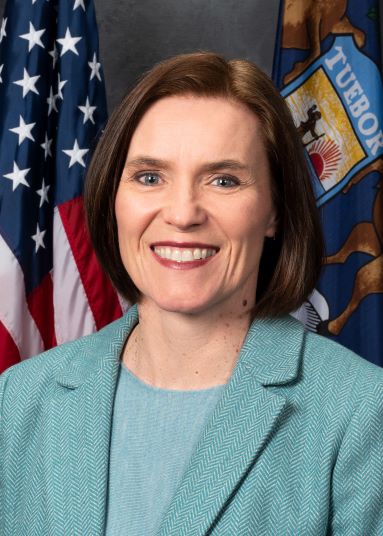
Winnie Brinks
Senate · District 29
|
D |
Strong +
|
94% | 29 |
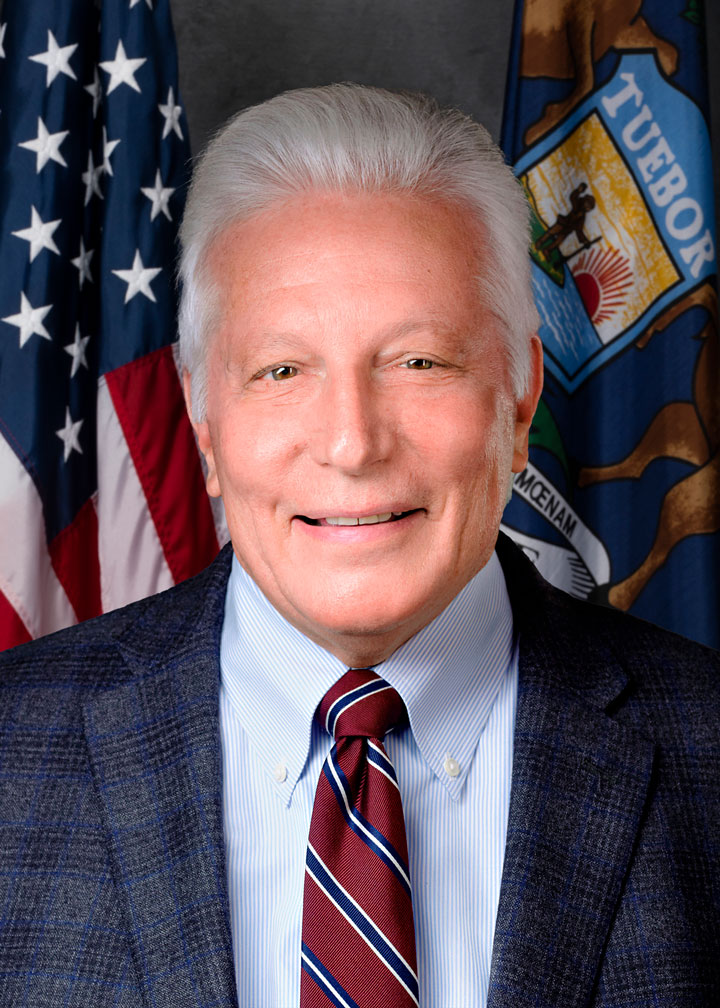
Paul Wojno
Senate · District 10
|
D |
Strong +
|
94% | 29 |
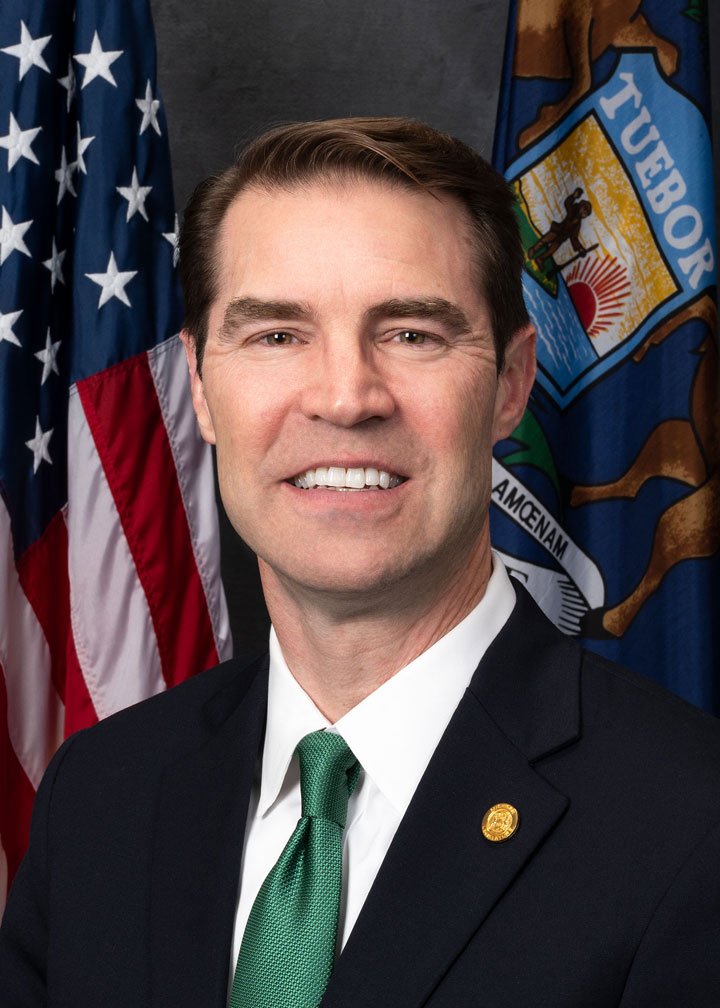
Sean McCann
Senate · District 19
|
D |
Strong +
|
94% | 29 |

Sylvia Santana
Senate · District 2
|
D |
Strong +
|
94% | 29 |

Mary Cavanagh
Senate · District 6
|
D |
Strong +
|
94% | 29 |
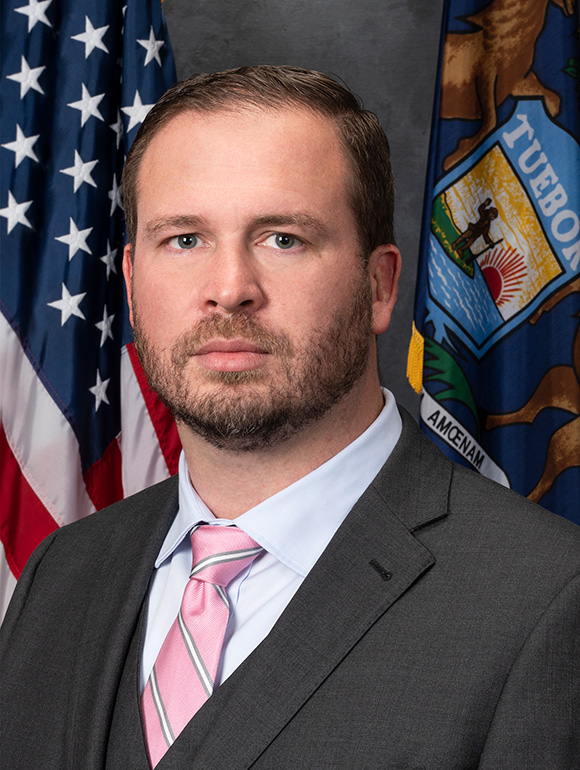
Jonathan Lindsey
Senate · District 17
|
R |
Strong −
|
6% | 28 |
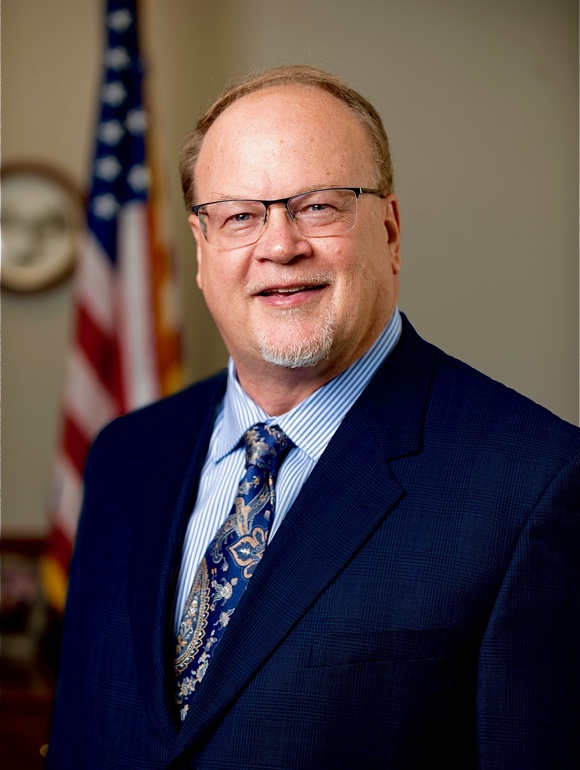
Jim Runestad
Senate · District 23
|
R |
Strong −
|
17% | 23 |

Lana Theis
Senate · District 22
|
R |
Strong −
|
17% | 29 |

Ed McBroom
Senate · District 38
|
R |
Strong −
|
20% | 26 |

Thomas Albert
Senate · District 18
|
R |
Oppose
|
22% | 29 |
Showing 161–170 of 194
bills
All environment bills
HB 4637: Civil procedure: civil actions; action for medical monitoring for individuals exposed to a proven toxic substance; provide for. Amends secs. 20126 & 20140 of 1994 PA 451 (MCL 324.20126 & 324.20140) & adds sec. 20136.
Topics
✓ EnvironmentSupports EnvironmentEnables lawsuits for medical monitoring due to toxic exposure, strengthening accountability for environmental hazards under Michigan's environmental protection act.
✓ HealthcareSupports HealthcareEnables legal claims for medical monitoring costs due to toxic exposure, expanding healthcare access for affected individuals under environmental health protections.
HB 4640: Environmental protection: cleanups; cleanup standards; require. Amends secs. 20101, 20107a, 20112a, 20114, 20114b, 20114c, 20114d, 20114e, 20119, 20126, 20126a, 20137 & 20139 of 1994 PA 451 (MCL 324.20101 et seq.); adds secs. 20113a & 20139a & repeals secs. 20114a & 20114g of 1994 PA 451 (MCL 324.20114a & 324.20114g). TIE BAR WITH: HB 4638'25, HB 4636'25
HB 4257: Environmental protection: solid waste; anaerobic digestion and digestate; define. Amends secs. 11502 & 11503 of 1994 PA 451 (MCL 324.11502 & 324.11503). TIE BAR WITH: HB 4265'25
Topics
✓ EnvironmentSupports EnvironmentDefines digestate use categories with environmental safeguards (runoff prevention, groundwater protection), advancing waste management regulations to protect environment.
✓ TransportationSupports TransportationBill explicitly permits digestate use as 'road base' (a construction material for roads), directly advancing transportation infrastructure development through sustainable waste utilization.
Sub-Topics
Waste Management
SR 61: A resolution to recognize June 29-July 5,2025, as Aquatic Invasive Species Awareness Week.
SR 64: A resolution to condemn the Trump Administration and congressional Republican’s support of the divisive “One Big Beautiful Bill Act” that raises costs for Michiganders, slashes Medicaid, the Supplemental Nutrition Assistance Program (SNAP), and the Women, Infants and Children program (WIC), adds burdensome hurdles to important tax relief measures for low-income households, drives more families into poverty by giving tax cuts to the most wealthy households, and sets back progress on a clean energy future while increasing energy costs on Americans.
Topics
✗ Budget & TaxesOpposes Budget & TaxesResolution explicitly condemns tax cuts for wealthy households and defunding of Medicaid/SNAP/WIC programs, opposing the Tax Cuts and Jobs Act's budget/tax policies.
✗ EnergyOpposes EnergyResolution explicitly states Tax Cuts Act 'sets back progress on a clean energy future' and increases energy costs, opposing policies hindering clean energy development.
✓ EnvironmentSupports EnvironmentResolution explicitly condemns tax bill for 'setting back progress on a clean energy future', indicating clear support for advancing clean energy policies.
✓ HealthcareSupports HealthcareExplicitly opposes cuts to Medicaid, SNAP, and WIC programs, directly protecting healthcare funding and access for vulnerable populations.
✓ Labor & EmploymentSupports Labor & EmploymentCondemns cuts to SNAP, WIC, and Medicaid, opposing policies that harm low-income workers' benefits and increase poverty, aligning with labor protection indicators.
Sub-Topics
Renewable Energy
HB 4742: Environmental protection: permits; denial of or imposition of additional conditions on; provide for when projects are located in environmentally overburdened communities, and repeal environmental permit review commission provisions. Amends secs. 1301, 1305, 1307 & 1311 of 1994 PA 451 (MCL 324.1301 et seq.); designates secs. 1301 - 1311 as subpt. 1; adds subpt. 2 to pt. 13 & repeals secs. 1313 - 1317 of 1994 PA 451 (MCL 324.1313 - 324.1317).
Sub-Topics
Environmental Justice
HR 143: A resolution urging members of Congress to reject President Trump’s “One Big Beautiful Bill Act” in its entirety, and to instead pursue policies that fully fund Medicaid, SNAP, and WIC, protect vulnerable communities, expand access to healthcare, promote clean energy, and ensure a fair and equitable tax system for all Americans.
Topics
✓ Budget & TaxesSupports Budget & TaxesBill explicitly demands full funding for Medicaid, SNAP, and WIC - opposing defunding of essential programs, directly aligning with 'support' indicators for fiscal policy.
✓ EnergySupports EnergyBill explicitly states 'promote clean energy', directly aligning with renewable energy promotion indicators.
✓ EnvironmentSupports EnvironmentBill explicitly states 'promote clean energy' in title/summary, directly advancing environmental protection through clean energy initiatives.
✓ HealthcareSupports HealthcareBill explicitly demands full Medicaid funding and opposes cuts, directly advancing healthcare access for vulnerable populations relying on public health programs.
Sub-Topics
Renewable Energy
HB 4035: Environmental protection: sewage; violations for sewer overflows; modify. Amends 1994 PA 451 (MCL 324.101 - 324.90106) by adding sec. 3115b.
Sub-Topics
Water Quality
SB 479: Environmental protection: permits; denial of or imposition of additional conditions on; provide for when projects are located in environmentally overburdened communities, and repeal environmental permit review commission provisions. Amends secs. 1301, 1305, 1307 & 1311 of 1994 PA 451 (MCL 324.1301 et seq.); designates secs. 1301 - 1311 as subpt. 1; adds subpt. 2 to pt. 13 & repeals secs. 1313 - 1317 of 1994 PA 451 (MCL 324.1313 - 324.1317).
Sub-Topics
Environmental Justice