Issue · Education

Education (Curriculum)

Every education bill, vote, and legislator stance in Michigan, automatically classified by Maddy, our AI policy reader.

Total bills
36
2025-2026 Regular Session
Top supporter
Karl Bohnak
90% support rate
Top opponent
Cynthia Neeley
22% support rate
Ranked legislators
10
5 support · 5 oppose
Key legislators

Who's moving curriculum in Michigan

Legislators moving curriculum in Michigan
Legislator Party Stance Support rate Votes
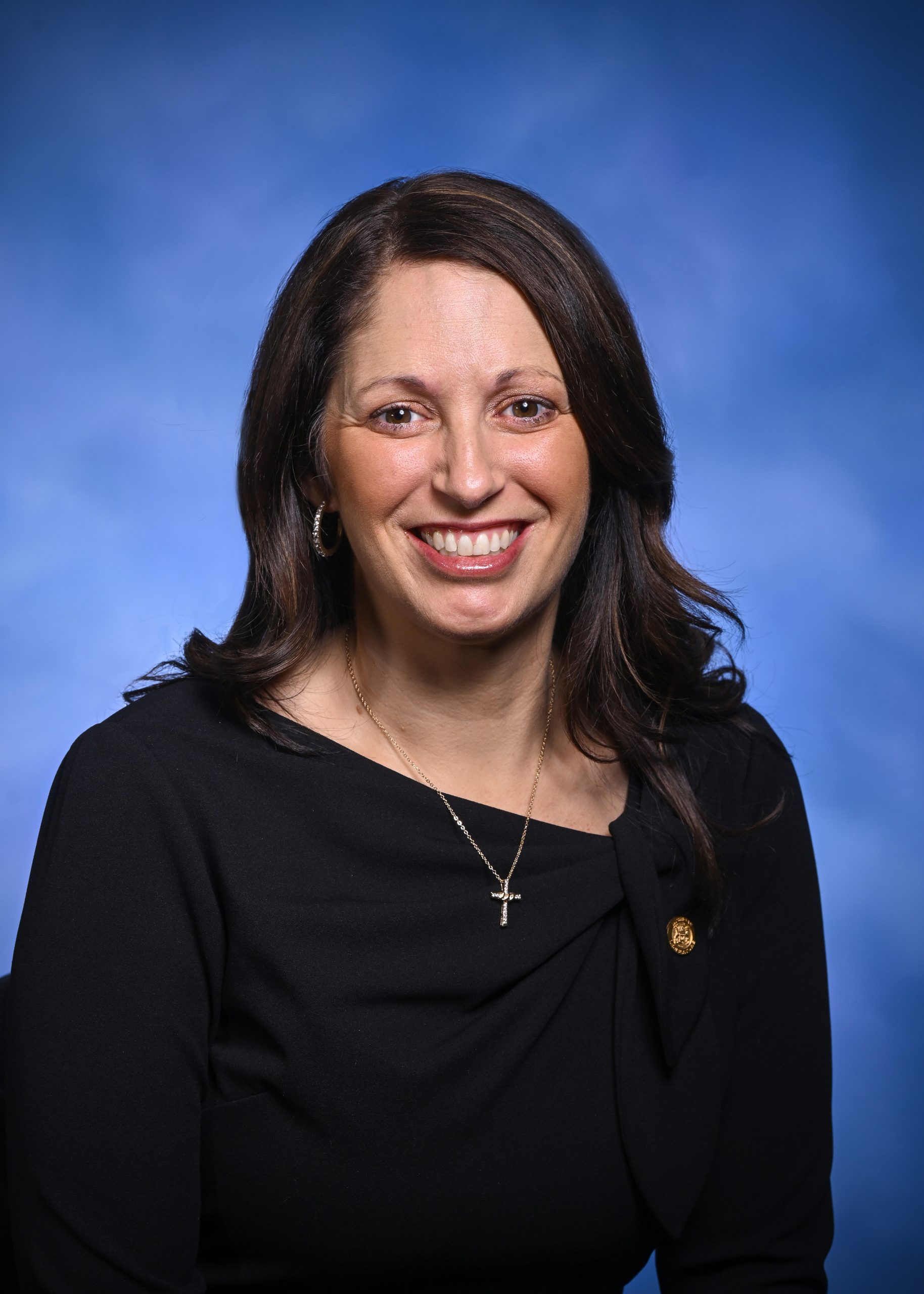
Karl Bohnak
Karl Bohnak House · District 109
R
Strong +
90% 10
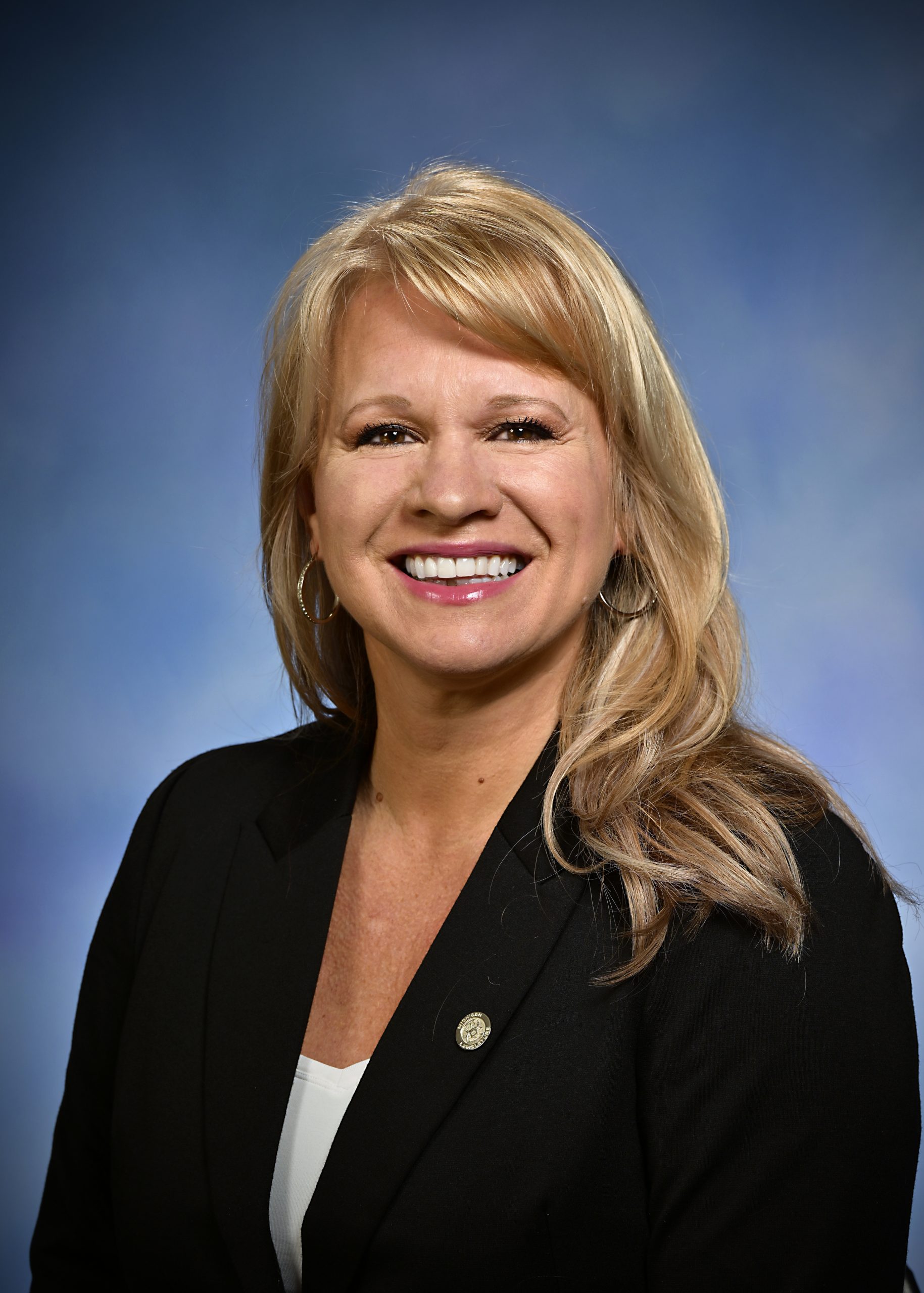
Jennifer Wortz
Jennifer Wortz House · District 35
R
Strong +
89% 9
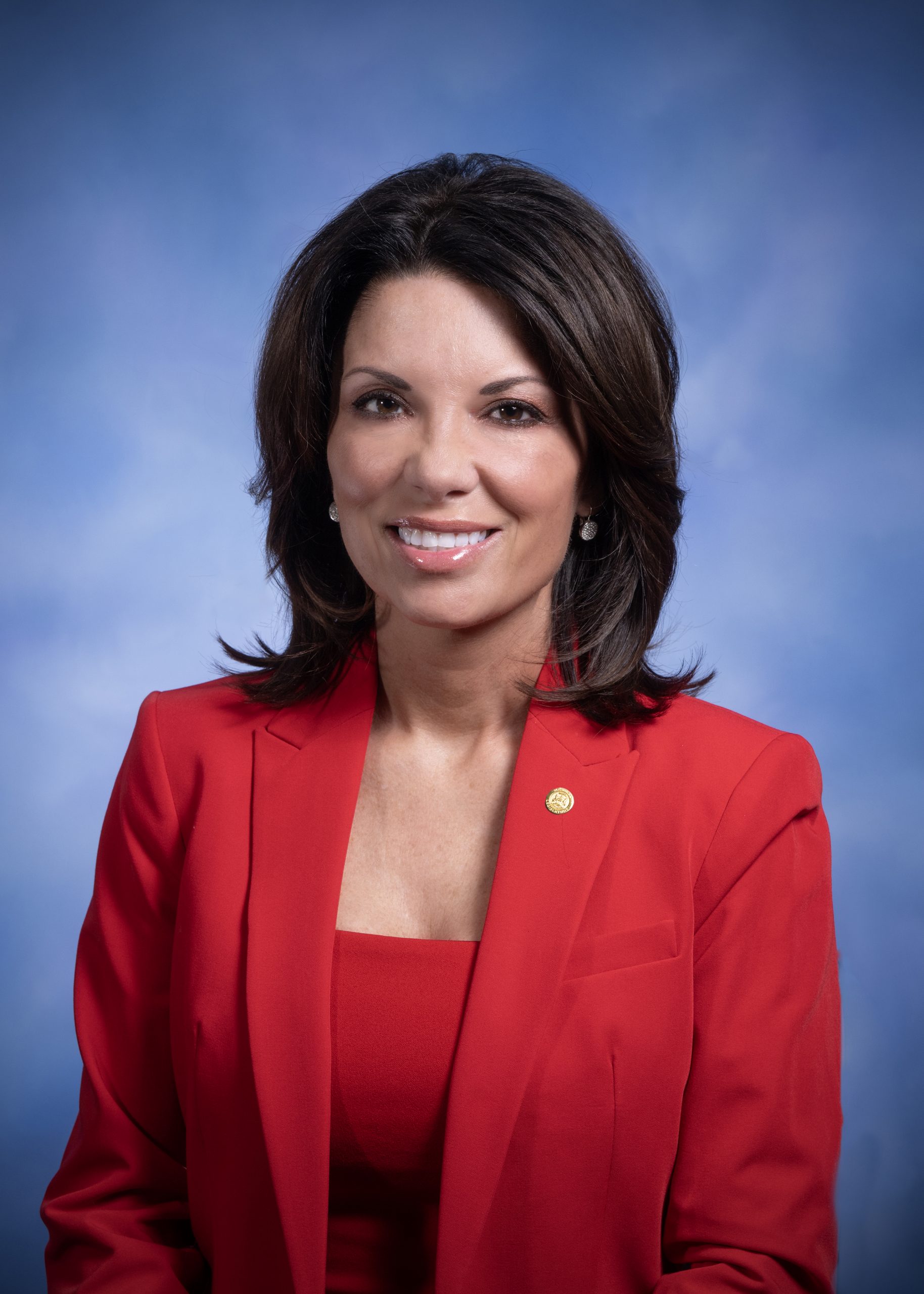
Alicia St. Germaine
Alicia St. Germaine House · District 62
R
Strong +
80% 10
Angela Rigas
Angela Rigas House · District 79
R
Strong +
80% 10
Brad Slagh
Brad Slagh House · District 85
R
Strong +
80% 10
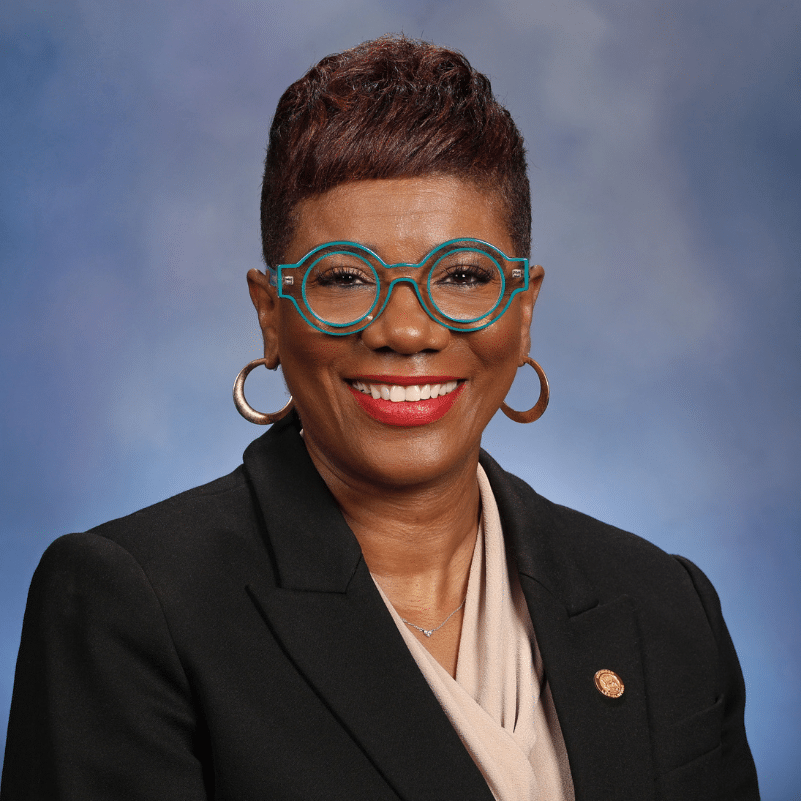
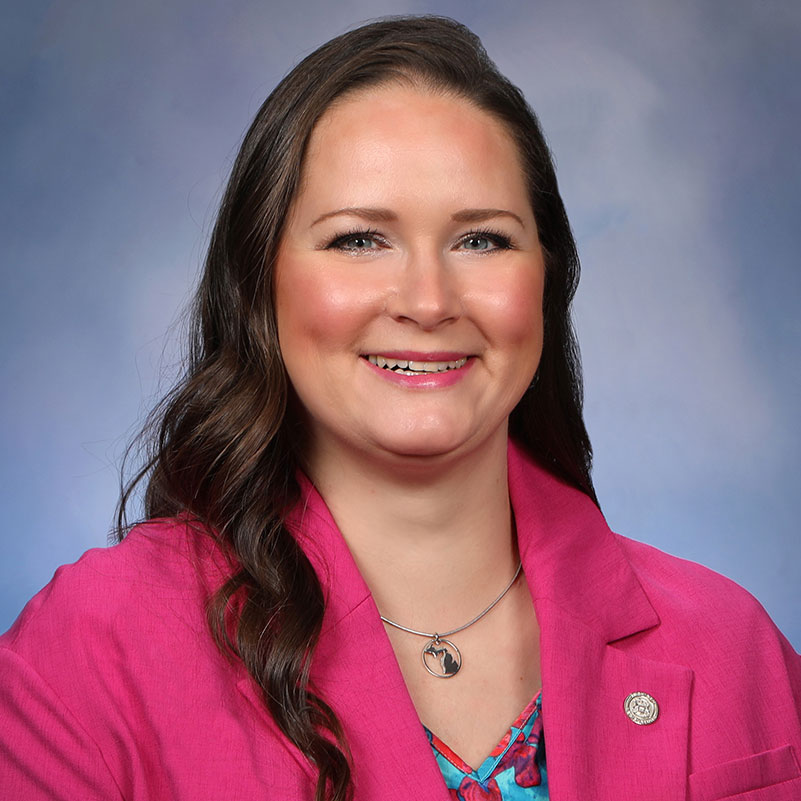
Cynthia Neeley
Cynthia Neeley House · District 70
D
Oppose
22% 9
Carrie Rheingans
Carrie Rheingans House · District 47
D
Oppose
30% 10
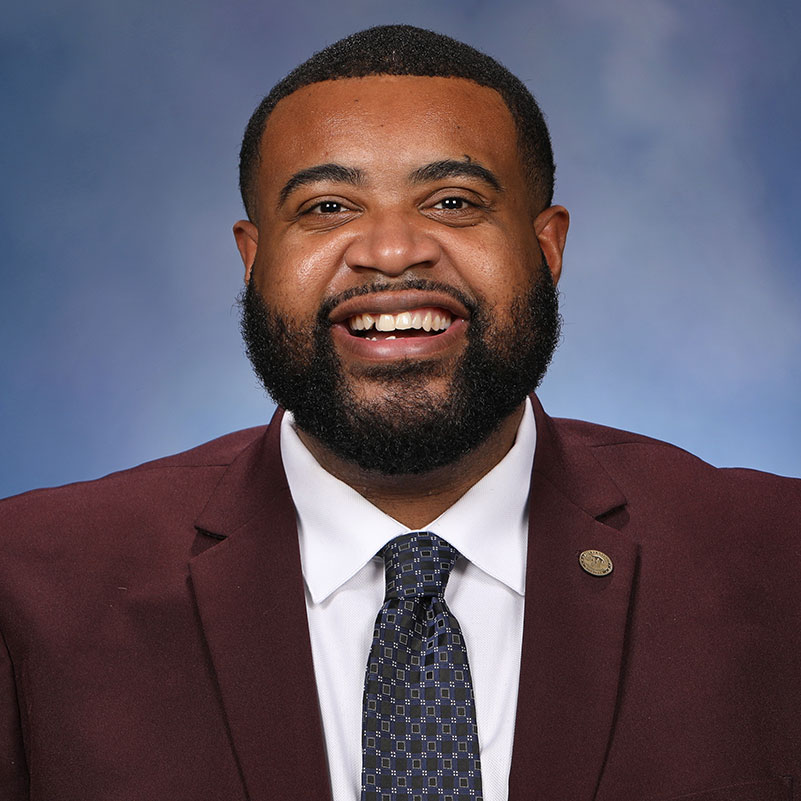
Donavan McKinney
Donavan McKinney House · District 11
D
Oppose
30% 10
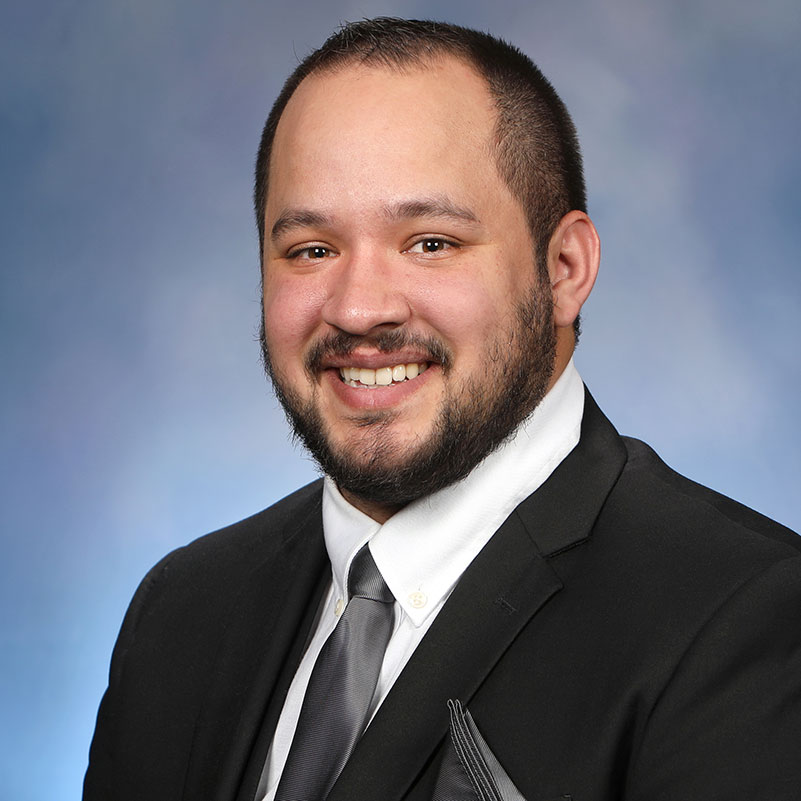
Dylan Wegela
Dylan Wegela House · District 26
D
Oppose
30% 10
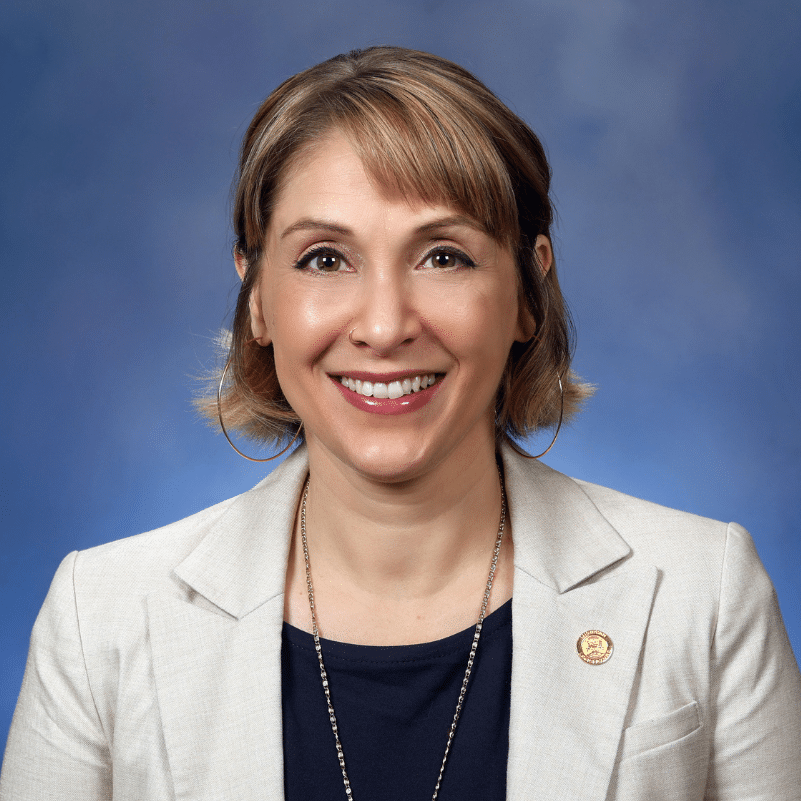
Emily Dievendorf
Emily Dievendorf House · District 77
D
Oppose
30% 10
Showing 31–36 of 36 bills

All education bills

signed · Michigan · House Dec 31, 2025

HB 4285: Education: curriculum; firearm safety instruction; provide for. Amends 1976 PA 451 (MCL 380.1 - 380.1852) by adding sec. 1163a.

HB 4285 requires Michigan schools to offer firearm safety instruction for students in grades 6-12 by September 2025. The state must create a model program (based on existing hunter safety standards) covering safe handling, cleaning, firearm types, and hunting practices, taught by certified instructors - **without bringing firearms into school buildings**. Schools may offer this as an optional extracurricular class or integrate it into existing courses, and students or parents may opt out without penalty. Completing the program counts toward the hunter safety certification needed for a hunting license. The bill directly affects all Michigan public schools and students in grades 6-12.
in committee · Michigan · House Aug 28, 2025

HB 4829: Education: curriculum; instruction in constitutional literacy; provide for. Amends secs. 1278a & 1531 of 1976 PA 451 (MCL 380.1278a & 380.1531) & adds secs. 1166d, 1174 & 1531k.

HB 4829 requires Michigan public high schools to implement a mandatory 2-semester constitutional literacy course for students entering high school in the 2026-2027 school year. The course must cover U.S. founding documents, government structures (including the Bill of Rights and state constitution), historical development of republicanism, and comparisons to other governance systems, while banning instruction on the 1619 Project and requiring specific historical examples of communist regimes. Schools must ensure teachers do not present materials contrary to the Constitution, with violations resulting in $5,000 fines, immediate termination, and teaching certificate suspension. This bill directly affects all public high school students and educators in Michigan starting with the 2026-2027 academic year.
Sub-Topics Curriculum
passed both · Michigan · House Apr 22, 2025

HB 4156: Education: curriculum; merit curriculum; modify. Amends secs. 1278a & 1278b of 1976 PA 451 (MCL 380.1278a & 380.1278b) & adds sec. 1278e.

HB 4156 amends Michigan's high school graduation requirements for diplomas. It modifies mathematics credit rules by allowing students to fulfill algebra II requirements through approved career and technical education programs (e.g., engineering, computer science) that cover equivalent content, rather than solely through traditional math courses. The bill also clarifies social science requirements, specifying that students entering grade 8 before 2023 may satisfy the economics credit with a personal economics course containing financial literacy, while maintaining core history and civics requirements for all students. These changes directly affect Michigan high school students and school districts by altering diploma eligibility criteria.
passed both · Michigan · House Sep 29, 2025

HB 4107: Education: other; recommended model core academic curriculum content standards for health education and certain guidelines for health education; modify. Amends sec. 1170a of 1976 PA 451 (MCL 380.1170a).

HB 4107 requires Michigan schools to include specific health education content for students in grades 7-12. It mandates instruction in cardiopulmonary resuscitation (CPR), automated external defibrillator (AED) use, and first aid response kits (including tourniquets and bleeding control supplies) as part of the health curriculum. Schools may use trained personnel like Red Cross instructors, EMTs, or properly trained teachers to deliver this instruction, with hands-on practice encouraged but not required for all students. The bill exempts 100% online schools from requiring hands-on CPR practice.
in committee · Michigan · Senate Oct 16, 2025

SB 614: Education: curriculum; foreign language requirement; remove, and replace with life skill requirement. Amends secs. 1278a, 1278b & 1531f of 1976 PA 451 (MCL 380.1278a et seq.).

SB 614 would replace Michigan's current high school graduation requirement for 2-3 credits in a language other than English (Section 1278a(2)) with a "life skills" requirement. The bill allows students to fulfill this credit through foreign language, fine arts, or career/technical education programs approved by the state. This change directly affects all Michigan high school students seeking diplomas, as it modifies a core graduation standard under the Revised School Code. The bill amends Sections 1278a, 1278b, and 1531f of the 1976 School Code (MCL 380.1278a et seq.).
in committee · Michigan · House Nov 12, 2025

HB 5242: Higher education: other; use of diversity, equity, and inclusion in accreditation decisions; prohibit. Creates new act.

HB 5242 prohibits accrediting agencies from considering diversity, equity, and inclusion (DEI) policies, programs, or practices when making accreditation decisions for Michigan's public and private colleges and universities. The bill directly affects higher education institutions, accrediting agencies, and their students and employees by requiring accreditation decisions to focus solely on academic standards. Key provisions ban agencies from reviewing DEI-related information, collecting such data, or requiring diversity statements, with enforcement through lawsuits by students, employees, or the Attorney General. Violations could result in triple damages, attorney fees, and up to $1,000 per affected student in penalties.
Showing 31 to 36 of 36 bills
Previous 1 2 3 4