Issue · Criminal Justice

Criminal Justice (Juvenile Justice)

Every criminal justice bill, vote, and legislator stance in Michigan, automatically classified by Maddy, our AI policy reader.

Total bills
12
2025-2026 Regular Session
Top supporter
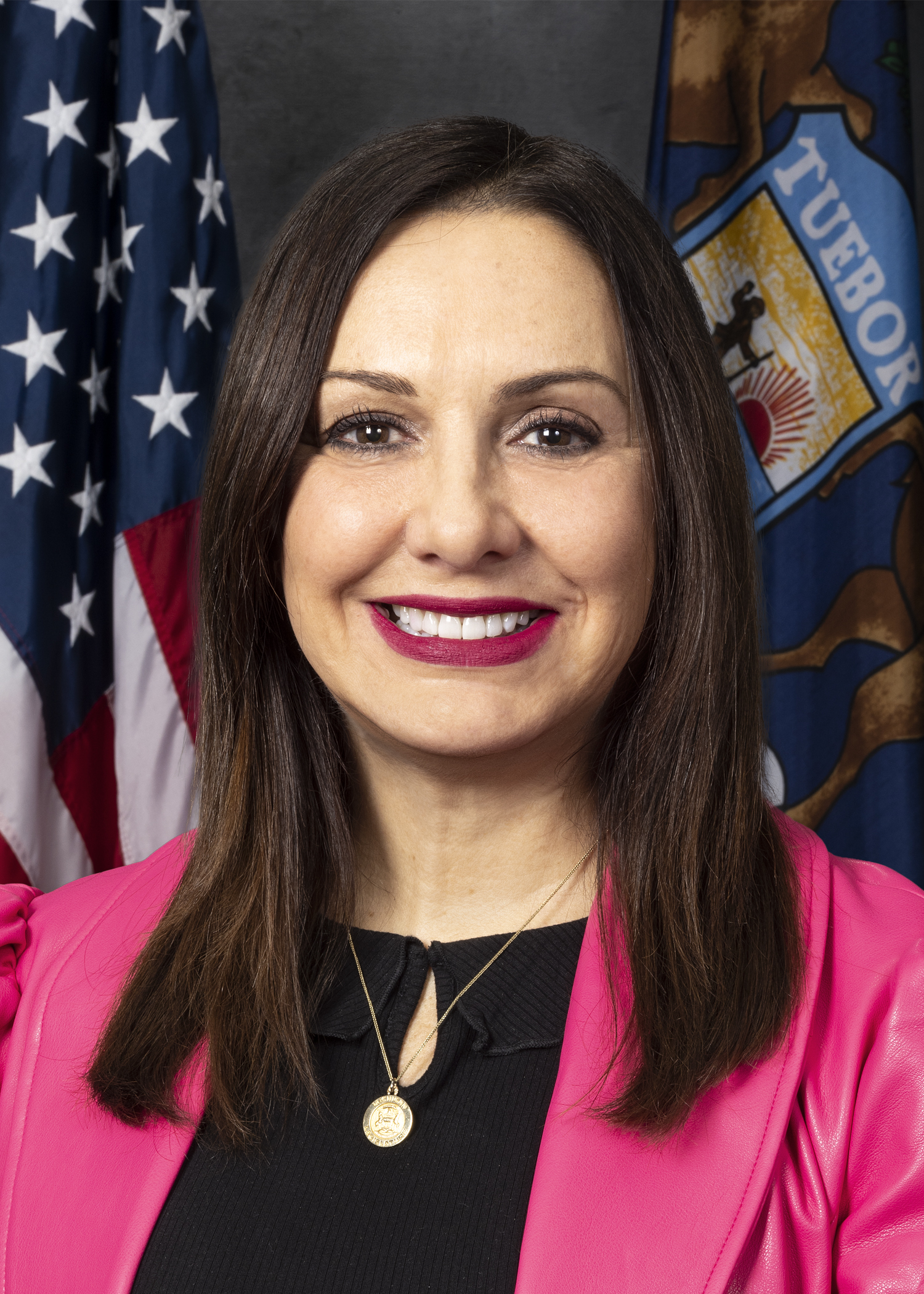
Dayna Polehanki
100% support rate
Top opponent
Joe Bellino
0% support rate
Ranked legislators
10
5 support · 5 oppose
Key legislators

Who's moving juvenile justice in Michigan

Legislators moving juvenile justice in Michigan
Legislator Party Stance Support rate Votes
Dayna Polehanki
Dayna Polehanki Senate · District 5
D
Strong +
100% 4
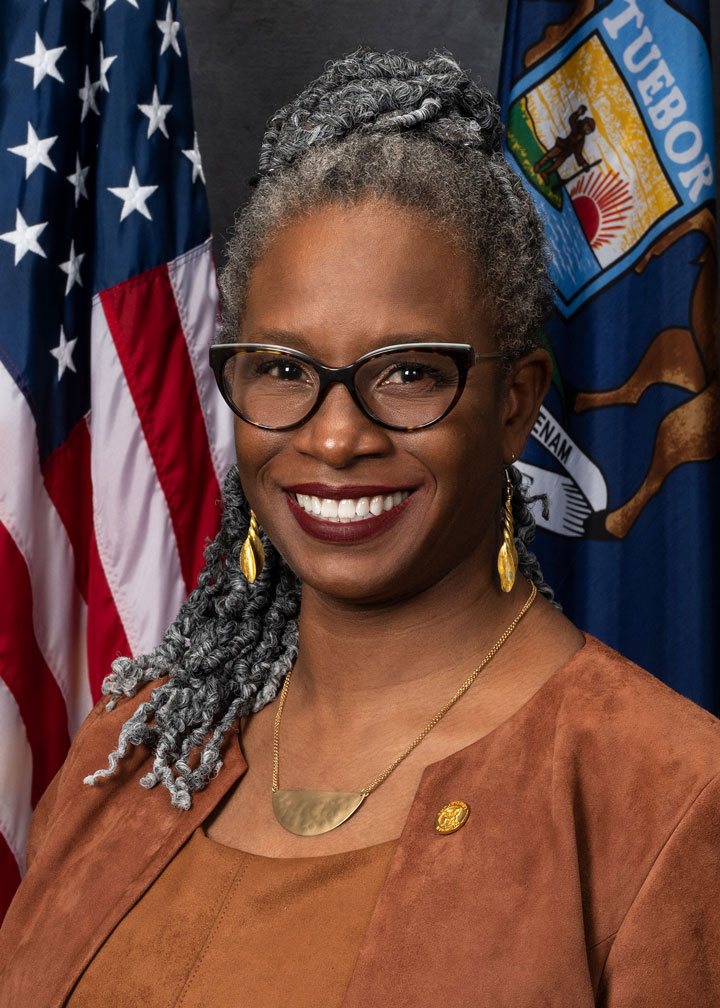
Erika Geiss
Erika Geiss Senate · District 1
D
Strong +
100% 4
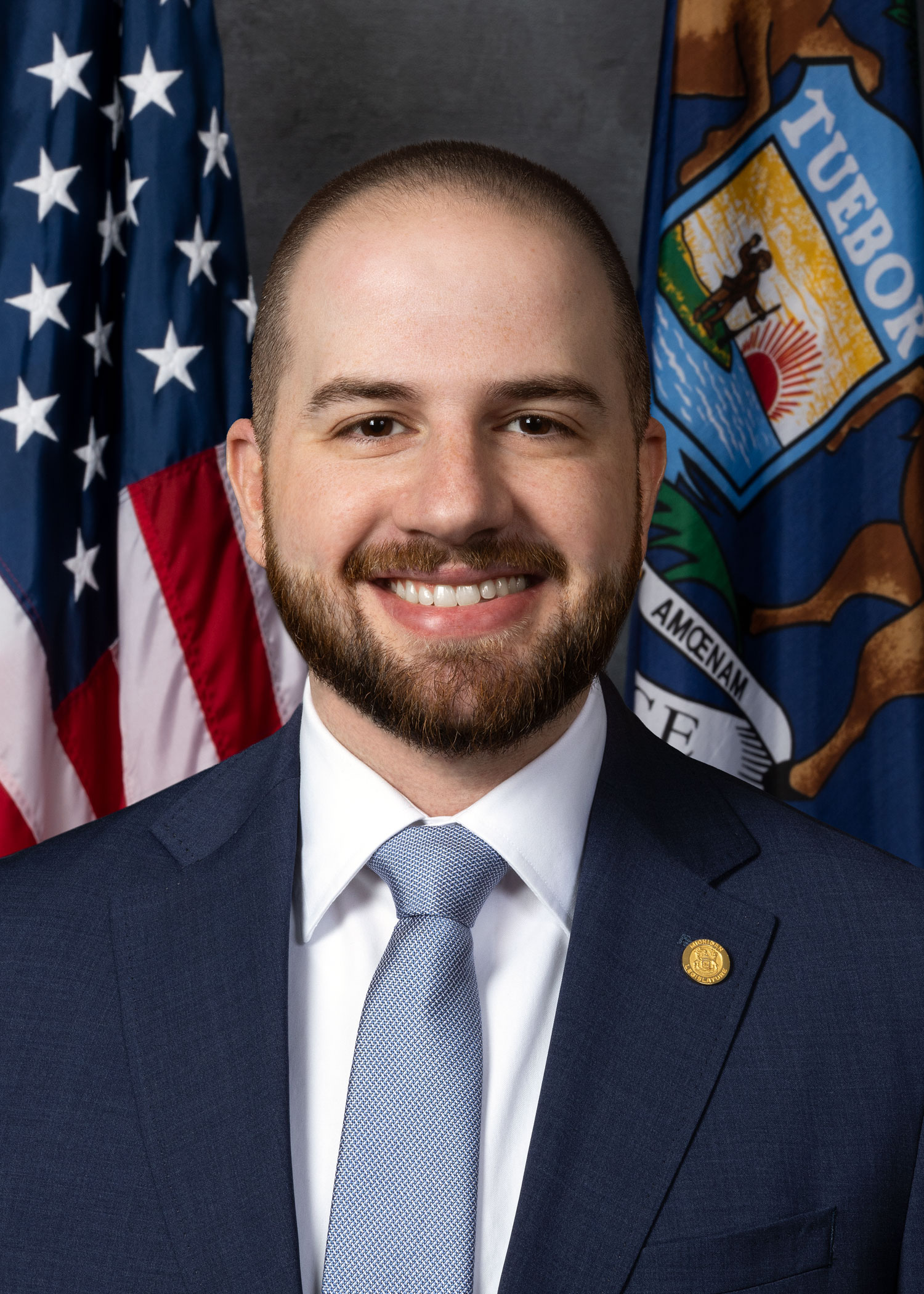
Jeff Irwin
Jeff Irwin Senate · District 15
D
Strong +
100% 4
Jeremy Moss
Jeremy Moss Senate · District 7
D
Strong +
100% 4
John Cherry
John Cherry Senate · District 27
D
Strong +
100% 4
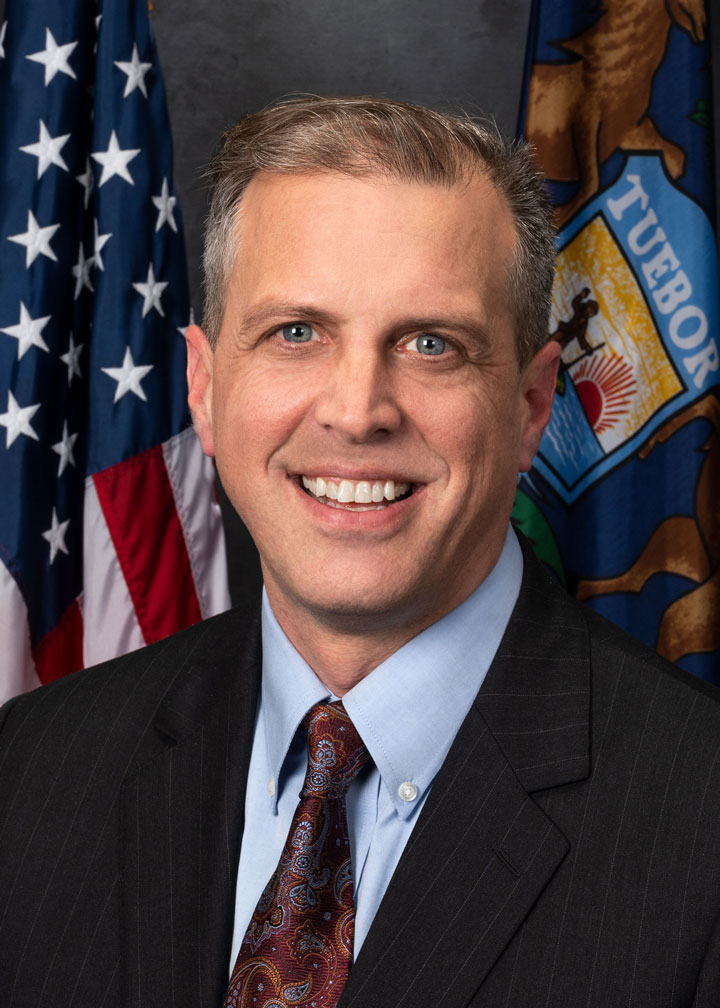
Joe Bellino
Joe Bellino Senate · District 16
R
Strong −
0% 4
Jonathan Lindsey
Jonathan Lindsey Senate · District 17
R
Strong −
0% 4
Thomas Albert
Thomas Albert Senate · District 18
R
Strong −
0% 4
Aric Nesbitt
Aric Nesbitt Senate · District 20
R
Oppose
25% 4
Jon Bumstead
Jon Bumstead Senate · District 32
R
Oppose
25% 4
Showing 1–10 of 12 bills

All criminal justice bills

in committee · Michigan · House Sep 1, 2026

HB 6296: Children: services; juvenile justice and child welfare training institute and youth and family justice bureau; establish. Amends secs. 13a, 18f, 18q, 19 & 19a, ch. XIIA of 1939 PA 288 (MCL 712A.13a et seq.) & adds secs. 16b, 18u & 18v to ch. XIIA.

Michigan House Bill 6296 establishes a new Youth and Family Justice Bureau within the Department of Licensing and Regulatory Affairs to oversee juvenile justice standards, collect data, and monitor detention facilities. The bill also creates a Juvenile Justice and Child Welfare Training Institute, developed in collaboration with state courts and a public university, to provide standardized training and maintain centralized records for staff working in the juvenile system. Additionally, the legislation amends existing child welfare laws to mandate more frequent court review hearings, require regular parenting time for removed children, and set specific timelines for permanency planning decisions regarding foster care placements.
in committee · Michigan · House Jan 15, 2026

HB 5448: Corrections: parole; impact statements by certain witnesses; allow. Amends sec. 35 of 1953 PA 232 (MCL 791.235) & adds sec. 35a.

HB 5448 amends Michigan's parole procedures to require the parole board to consider impact statements from certain witnesses, including crime victims, when reviewing parole applications. It directly affects prisoners seeking parole, parole board members, and crime victims who wish to share how a crime impacted them. Key mechanisms include adding a new provision (Section 35a) for submitting impact statements, clarifying that parole boards cannot deny parole without an interview in most cases (except for low-probability cases), and prohibiting consideration of expunged juvenile records or inaccurate information. The bill also mandates a 90-day parole eligibility report detailing a prisoner's conduct, work, education, and risk assessment, while explicitly banning the parole board from basing denials solely on marital history or unconvicted arrests.
in committee · Michigan · House Dec 17, 2025

HB 5372: Tobacco: other; minors that purchase, possess, or use tobacco products, vapor products, or alternative nicotine products; sunset criminal penalties and civil sanctions for. Amends sec. 2 of 1915 PA 31 (MCL 722.642). TIE BAR WITH: HB 5370'25, HB 5371'25, HB 5368'25, HB 5369'25

HB 5372 changes penalties for minors who purchase, possess, or use tobacco, vapor, or alternative nicotine products. It replaces criminal misdemeanor penalties for first and second violations with civil penalties (fines up to $50 and community service up to 32 hours), while third or subsequent violations remain misdemeanors. The bill also adds exemptions for minors in approved undercover operations or compliance checks. It requires four related bills to pass before taking effect.
in committee · Michigan · House Sep 24, 2025

HB 5011: Juveniles: criminal procedure; expunction of crimes resulting from being a victim of human trafficking; expand. Amends sec. 18e, ch. XIIA of 1939 PA 288 (MCL 712A.18e).

HB 5011 would allow juveniles who were victims of human trafficking to have related criminal records sealed. It amends Michigan’s existing expungement law (MCL 712A.18e) to specifically include offenses committed while a juvenile was a trafficking victim, removing a barrier that previously prevented sealing such records. The bill applies to juveniles with up to one felony-level offense or three misdemeanor-level offenses directly tied to trafficking, as defined under current law. This change would enable victims to clear records that might otherwise hinder education, employment, or housing opportunities.
in committee · Michigan · House Sep 9, 2025

HB 4844: Children: guardians; jurisdiction involving minors; revise. Amends sec. 2, ch. XIIA of 1939 PA 288 (MCL 712A.2).

HB 4844 amends Michigan's Probate Code to clarify when juvenile courts have exclusive authority over minors under 18. It specifies situations where courts can handle cases involving minors who: (1) violate certain criminal laws (like weapons offenses or specific misdemeanors), (2) repeatedly miss school after counseling attempts, (3) face neglect or unsafe home environments, or (4) are homeless or run away. The bill defines key terms like "learning program" and "neglect" to align with existing state codes. This revision directly affects juvenile courts, prosecutors, and families navigating custody or welfare cases involving minors.
Sub-Topics Juvenile Justice
passed · Michigan · House Jun 16, 2026

HB 4070: Courts: other; Michigan indigent defense commission act; expand duties to include indigent defense of youth. Amends title & secs. 3, 5, 7, 9, 11, 13, 15, 17, 21 & 23 of 2013 PA 93 (MCL 780.983 et seq.) & adds sec. 14.

HB 4070 expands Michigan's Indigent Defense Commission's responsibilities to include providing legal representation for young people (under 18) in juvenile court cases who qualify as indigent. The bill amends existing law to require the Commission to establish minimum standards ensuring effective legal counsel for both adults and youth in criminal and juvenile proceedings, starting from their initial court appearance. It specifically adds youth defense services to the Commission's duties, defining "indigent youth" as those under 18 facing delinquency charges who cannot afford legal help. This change directly affects young people in juvenile court systems who meet income-based eligibility criteria.
Sub-Topics Juvenile Justice
passed · Michigan · Senate Apr 22, 2026

SB 463: Tobacco: other; minors that purchase, possess, or use tobacco products, vapor products, or alternative nicotine products; sunset criminal penalties and civil sanctions for. Amends sec. 2 of 1915 PA 31 (MCL 722.642).

SB 463 removes criminal penalties and civil fines for minors (under 18) who purchase, possess, or use tobacco products, vapor products, or alternative nicotine products. The bill eliminates existing legal consequences for these minor offenses, shifting focus away from punishment. It directly affects underage individuals by ending enforcement of penalties under current law (MCL 722.642). The key provision is a "sunset" of these penalties, meaning they would no longer apply once the bill takes effect.
passed · Michigan · Senate Mar 5, 2025

SB 24: Juveniles: juvenile justice services; certain information sharing for research purposes in juvenile justice cases; allow. Amends sec. 9 of 1988 PA 13 (MCL 722.829).

SB 24 amends Michigan's Juvenile Diversion Act to allow researchers to access certain juvenile justice records for research purposes, while strictly protecting minors' privacy. It requires researchers to obtain a data use agreement with the state court administrative office, which must include safeguards against public disclosure of personally identifiable information like names, addresses, and Social Security numbers. The bill prohibits using these records for any purpose other than research, with violations punishable by fines or up to 180 days in jail. This directly affects researchers, courts, and the state court administrative office, ensuring research access does not compromise minor confidentiality or interfere with diversion decisions.
Sub-Topics Juvenile Justice
signed · Michigan · Senate Jul 29, 2026

SB 81: Courts: other; Michigan indigent defense commission act; expand duties to include indigent defense of youth. Amends title & secs. 3, 5, 7, 9, 11, 13, 15, 17, 21 & 23 of 2013 PA 93 (MCL 780.983 et seq.) & adds sec. 14.

SB 81 expands Michigan's Indigent Defense Commission's duties to include providing effective legal representation for indigent youth (those under 18 facing juvenile court cases). The bill amends the existing law to require the Commission to establish minimum standards for youth defense services, ensuring they meet constitutional requirements for "effective assistance of counsel." It specifically defines "youth" and clarifies that indigent criminal defense services for youth must begin at their initial court appearance. This change directly affects juvenile defendants who cannot afford a lawyer, ensuring they receive legally required representation under the same standards applied to adults.
Sub-Topics Juvenile Justice
signed · Michigan · House Jul 29, 2026

HB 4396: Juveniles: juvenile justice services; certain information sharing for research purposes in juvenile justice cases; allow. Amends sec. 9 of 1988 PA 13 (MCL 722.829).

HB 4396 amends Michigan's Juvenile Diversion Act to permit researchers to access certain juvenile justice records for research purposes under strict safeguards. It requires researchers to submit requests to the state court administrative office, obtain approval, and sign a data use agreement that protects personally identifiable information from public disclosure. The agreement must prevent misuse and exempt the data from public disclosure under Michigan's Freedom of Information Act. This change directly affects researchers studying juvenile justice outcomes, not the minors involved in cases.
Sub-Topics Juvenile Justice
Showing 1 to 10 of 12 bills
1 2 Next