Issue · Criminal Justice

Criminal Justice (Corrections)

Every criminal justice bill, vote, and legislator stance in Michigan, automatically classified by Maddy, our AI policy reader.

Total bills
66
2025-2026 Regular Session
Top supporter
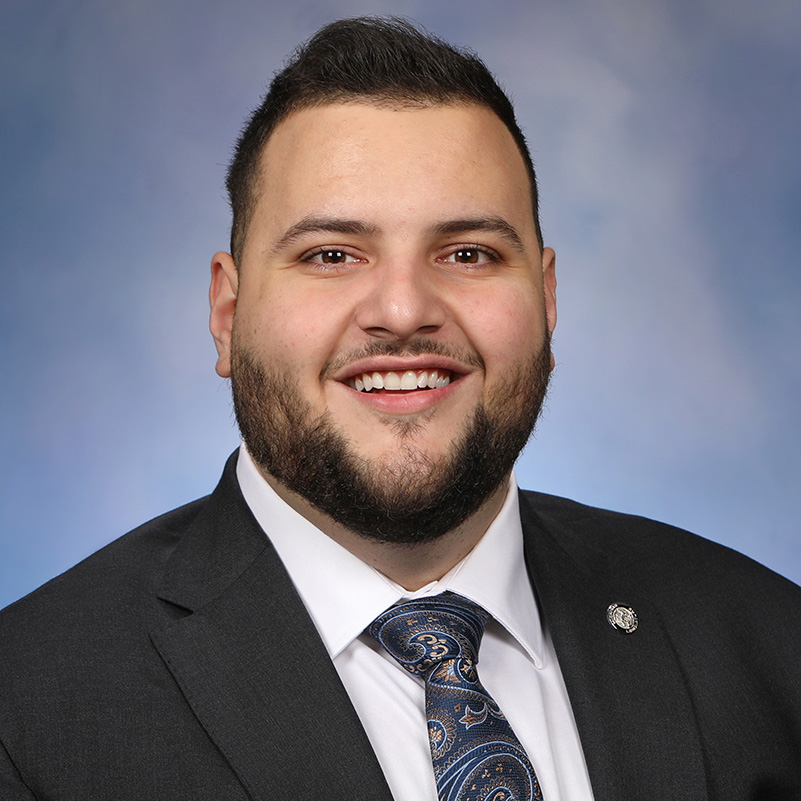
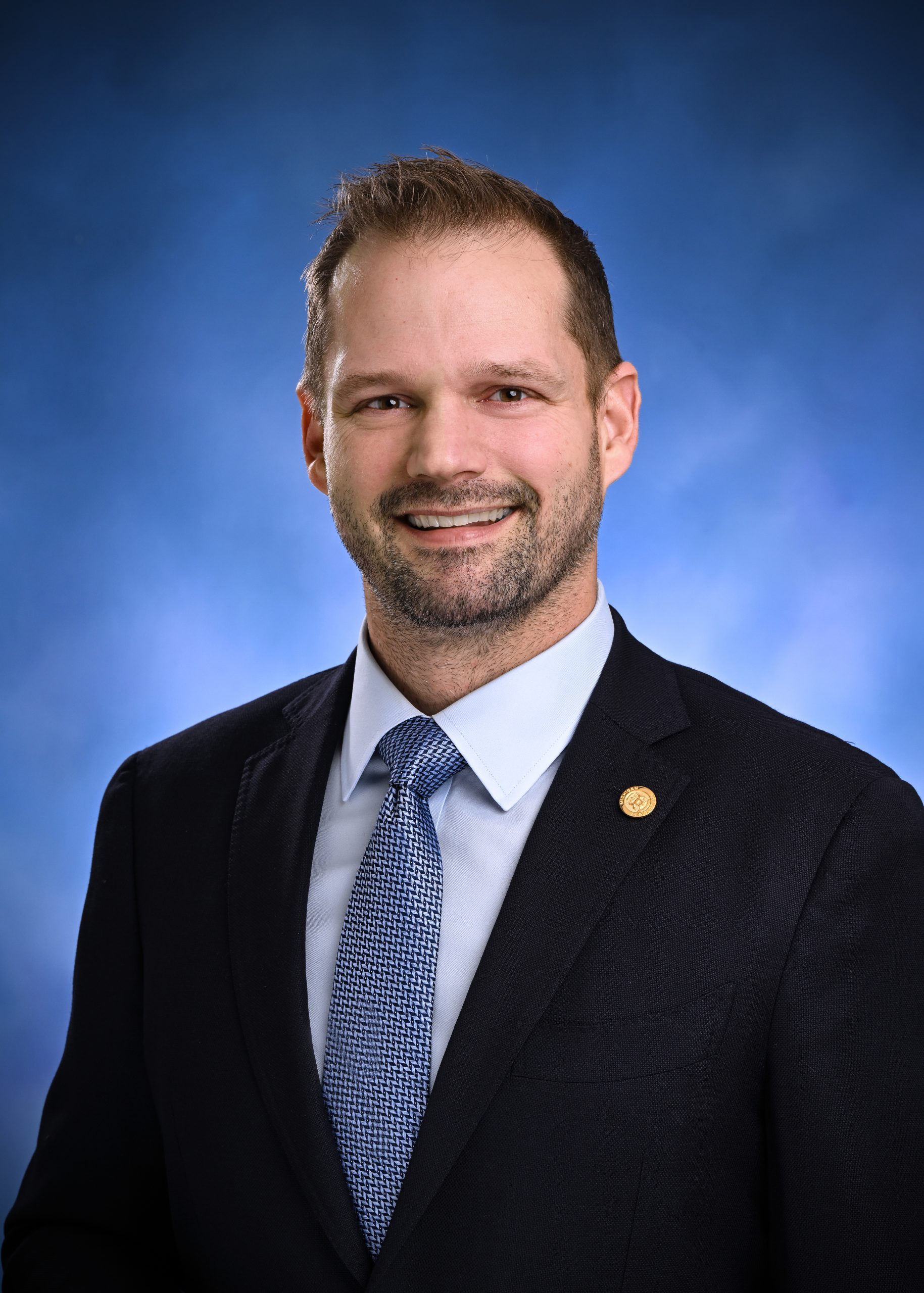
Alabas Farhat
100% support rate
Top opponent
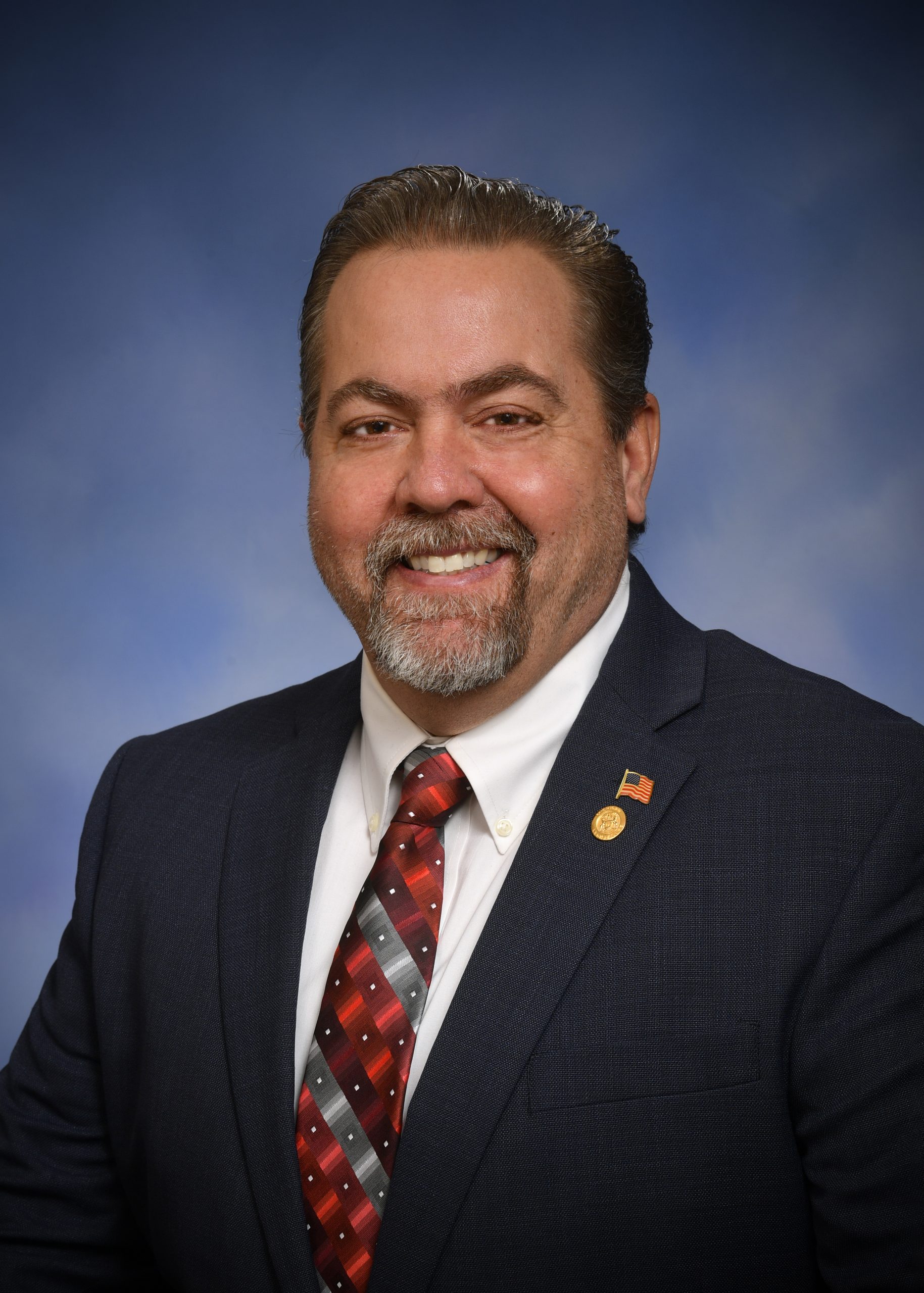
Joseph Fox
0% support rate
Ranked legislators
10
5 support · 5 oppose
Key legislators

Who's moving corrections in Michigan

Legislators moving corrections in Michigan
Legislator Party Stance Support rate Votes
Alabas Farhat
Alabas Farhat House · District 3
D
Strong +
100% 5
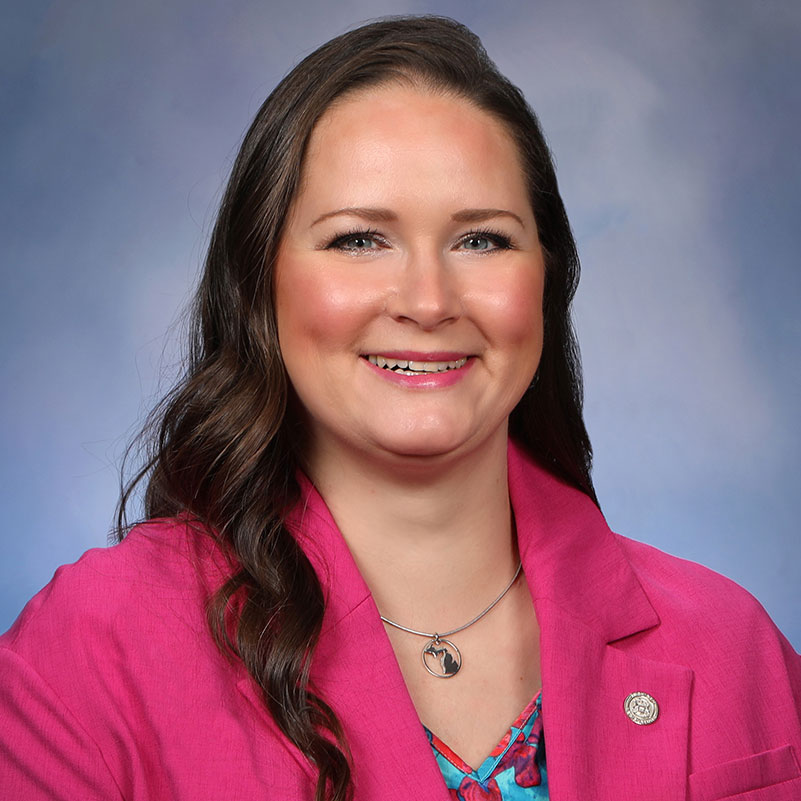
Betsy Coffia
Betsy Coffia House · District 103
D
Strong +
100% 5
Carrie Rheingans
Carrie Rheingans House · District 47
D
Strong +
83% 6
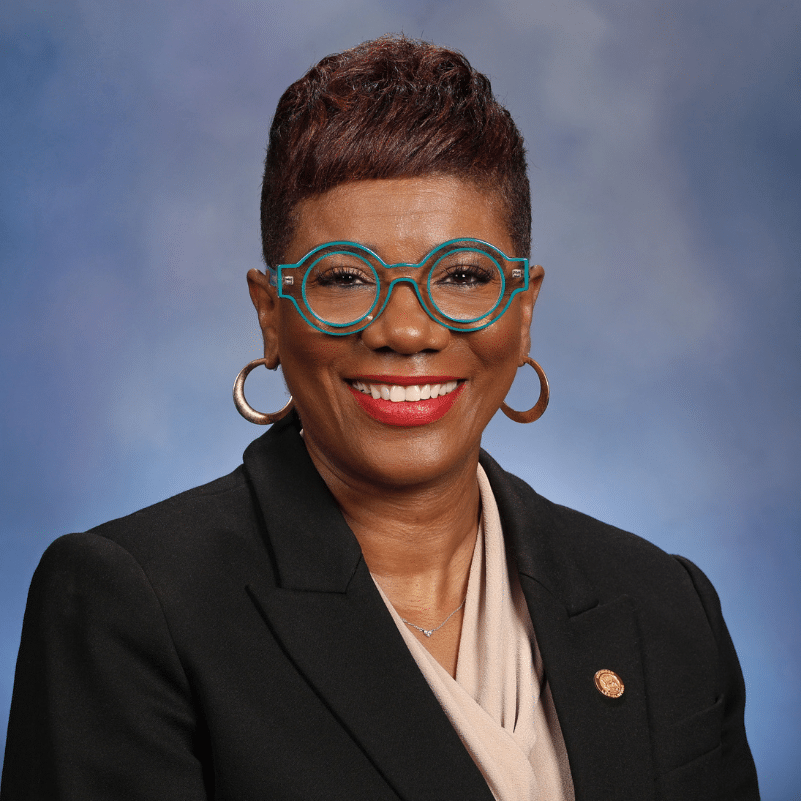
Cynthia Neeley
Cynthia Neeley House · District 70
D
Strong +
83% 6
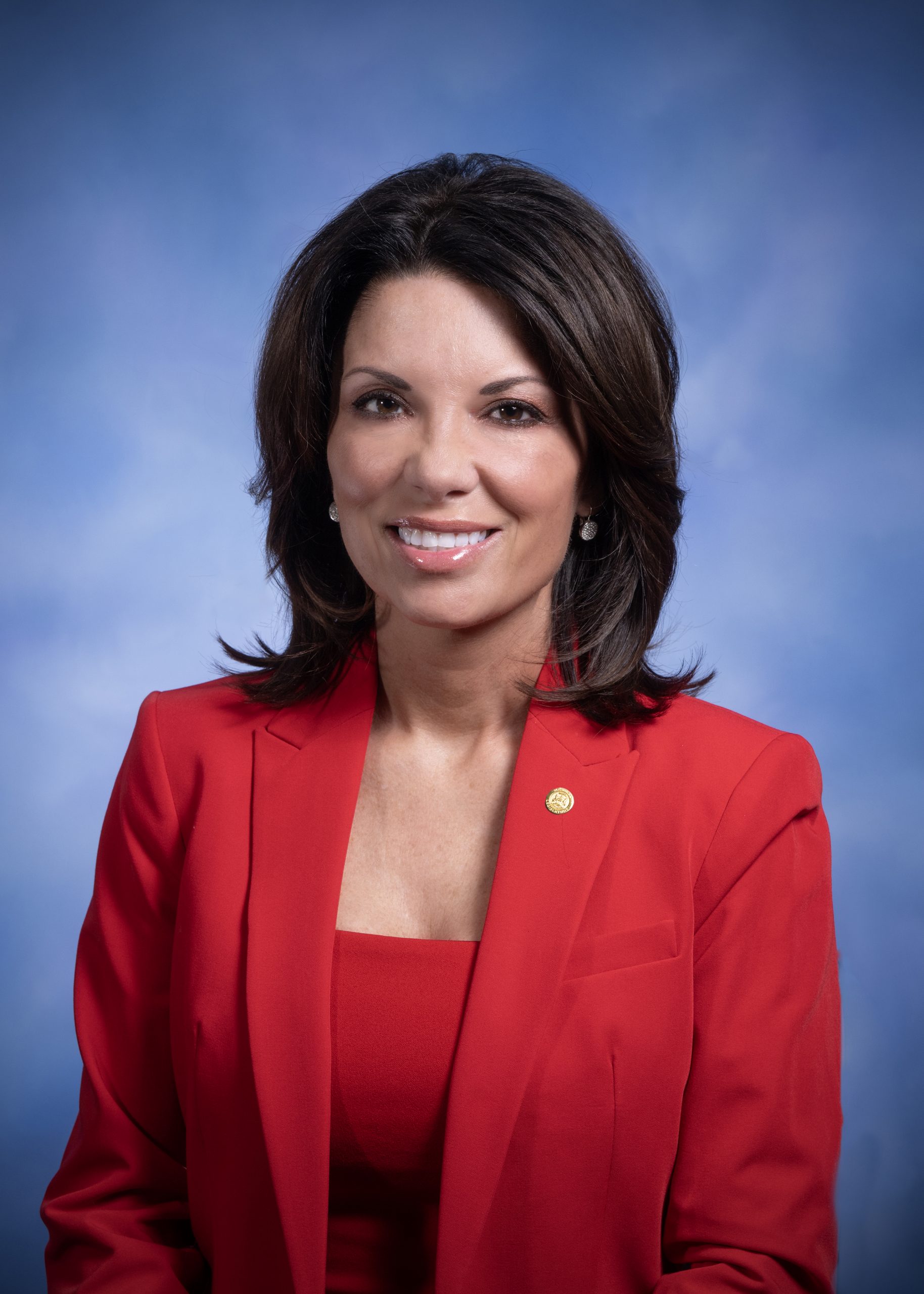
Erin Byrnes
Erin Byrnes House · District 15
D
Strong +
83% 6
Joseph Fox
Joseph Fox House · District 101
R
Strong −
0% 5
Angela Rigas
Angela Rigas House · District 79
R
Strong −
17% 6
Brad Slagh
Brad Slagh House · District 85
R
Strong −
17% 6
Bryan Posthumus
Bryan Posthumus House · District 90
R
Strong −
17% 6
Dave Prestin
Dave Prestin House · District 108
R
Strong −
17% 6
Showing 11–20 of 66 bills

All criminal justice bills

in committee · Michigan · Senate Jun 17, 2026

SR 130: A resolution calling on the United States Department of Justice to investigate the recent deaths at the Huron Valley Correctional Facility.

This Senate resolution asks the U.S. Department of Justice to investigate recent inmate deaths at Michigan's Huron Valley Correctional Facility. The bill highlights concerns about unsafe conditions, including toxic mold exposure and high staff vacancy rates, which lawmakers believe may have contributed to the fatalities of two inmates in May 2026. By requesting a federal inquiry, the resolution seeks to ensure that the deaths are thoroughly examined and that constitutional rights are protected within the state's correctional system. Copies of the request are to be sent to the Acting Attorney General for action.
Sub-Topics Corrections
in committee · Michigan · Senate Jun 23, 2026

SB 1016: State agencies (proposed): other; grants for community violence intervention services; provide for. Creates new act. TIE BAR WITH: SB 1015'26

This bill establishes a new grant program and fund to support community violence intervention and prevention efforts in Michigan. It directs state funding to eligible local governments and nonprofit organizations that meet specific criteria, such as having high homicide rates or a demonstrated need to address violence. The grants must be used for evidence-based strategies that utilize trauma-informed care, expand economic opportunities, and avoid contributing to mass incarceration. Furthermore, the legislation requires that at least 75% of any grant given to a local government be passed on to community-based or nonprofit groups, ensuring that law enforcement agencies do not receive these specific funds. The bill also mandates regular reporting on financial use and program outcomes to ensure accountability.
passed · Michigan · House Aug 25, 2026

HB 5921: Legislature: legislative agencies; office of legislative corrections ombudsman; expand powers and duties. Amends secs. 7, 11, 12, 13 & 14 of 1975 PA 46 (MCL 4.357 et seq.). TIE BAR WITH: HB 5920'26

This bill expands the powers and duties of Michigan's Office of the Legislative Corrections Ombudsman, which handles complaints from prisoners, their advocates, and legislators regarding conditions in state correctional facilities. Key changes require the ombudsman to notify complainants and affected prisoners when investigating or declining to investigate complaints, and mandate that the office consult with the Department of Corrections before issuing any report that criticizes the department or its staff. The legislation also establishes strict reporting requirements, forcing the ombudsman to publish detailed monthly and annual reports on complaint statistics and department responses, while adding protections to ensure that individuals cannot be penalized for filing complaints or cooperating with the ombudsman. Additionally, the bill clarifies that the ombudsman's authority operates alongside, rather than replacing, existing legal remedies and appeal processes for prisoners.
Sub-Topics Corrections
in committee · Michigan · House Apr 30, 2026

HB 5917: Criminal procedure: sentencing; mandatory sentencing for certain crimes; require. Amends (See bill) & repeals sec. 145g of 1931 PA 328 (MCL 750.145g).

This bill amends Michigan's penal code to establish mandatory minimum sentences for specific assault and battery offenses. It directly affects individuals convicted of assaulting spouses, dating partners, household members, or pregnant victims, as well as those with prior convictions for similar acts against these groups. The key provision requires that anyone found guilty of these crimes receive a prison term of at least one year, with higher minimums of two and a half years or five years depending on the victim's status and the offender's criminal history. Additionally, the bill mandates that healthcare facilities post signs warning that assaulting medical staff can result in enhanced fines.
in committee · Michigan · House May 14, 2026

HB 5958: Crimes: other; crime of public defecation; establish. Amends 1931 PA 328 (MCL 750.1 - 750.568) by adding sec. 335b.

This bill proposes to make defecating in public places, such as streets, sidewalks, and parks, a misdemeanor offense in Michigan. It directly affects individuals who use public areas for bathroom needs outside of designated sanitary facilities. The law sets penalties of up to 60 days in jail and a $250 fine for standard violations, while increasing the maximum jail time to 90 days and the fine to $500 if the incident occurs near a gathering of ten or more people. The definition of a public place includes any area open to the general public in publicly owned buildings or businesses. The changes would take effect 90 days after the bill is officially signed into law.
Sub-Topics Corrections
passed · Michigan · House Aug 25, 2026

HB 5920: Legislature: legislative agencies; office of legislative corrections ombudsman; expand powers and duties. Amends secs. 1, 4 & 5 of 1975 PA 46 (MCL 4.351 et seq.). TIE BAR WITH: HB 5921'26

HB 5920 expands the powers of Michigan's Office of the Legislative Corrections Ombudsman to better investigate issues within the Department of Corrections. The bill allows the ombudsman to launch investigations based on complaints from prisoners, legislators, or family members, as well as on their own initiative regarding safety and security concerns. Key provisions include granting the ombudsman access to medical and mortality records, the ability to hire qualified experts for inspections, and the authority to enter correctional facilities at any time, including during emergencies.
Sub-Topics Corrections
in committee · Michigan · House Apr 30, 2026

HB 5911: Criminal procedure: sentencing; mandatory sentencing for certain crimes in the identity theft act; require. Amends sec. 9 of 2004 PA 452 (MCL 445.69).

HB 5911 amends Michigan's Identity Theft Protection Act to establish mandatory minimum prison sentences for repeat offenders who commit identity theft crimes. Specifically, the bill requires a minimum of 10 years in prison for a third or subsequent violation of the act and a minimum of 2 years and 6 months for certain violations involving specific types of data breaches. These sentencing rules apply regardless of whether the victim is alive or deceased at the time of the crime and allow courts to order prison terms to be served consecutively with other related convictions. The legislation also clarifies that these mandatory sentences do not apply to violations of state or federal regulations governing financial institutions and insurance.
Sub-Topics Corrections Sentencing
in committee · Michigan · House Apr 30, 2026

HB 5909: Criminal procedure: sentencing; mandatory sentencing for certain crimes in the Medicaid false claim act; require. Amends sec. 6 of 1977 PA 72 (MCL 400.606).

This bill proposes to increase the mandatory minimum prison sentence for individuals convicted of conspiring to defraud the state of Michigan by submitting false Medicaid claims. Under the current law, such offenses are felonies punishable by up to 10 years in prison or a fine of up to $50,000, but this legislation would require a minimum sentence of 2 years and 6 months for anyone found guilty. The change directly affects healthcare providers, billing companies, and other entities or individuals involved in submitting false claims for Medicaid reimbursement. If passed, the amendment would take effect 90 days after it is signed into law.
in committee · Michigan · House Apr 30, 2026

HB 5913: Criminal procedure: sentencing; mandatory sentencing for certain crimes regarding contraband in prisons; require. Amends secs. 1, 3, 3a & 5 of 1909 PA 17 (MCL 800.281 et seq.).

HB 5913 strengthens Michigan's existing laws against contraband in prisons by establishing mandatory minimum sentences for specific violations. The bill directly affects anyone who sells, gives, or furnishes weapons, drugs, or wireless communication devices to prisoners, as well as prisoners who possess these items. Under the new provisions, bringing weapons or drugs into a correctional facility carries a mandatory minimum prison sentence of one year, while possessing weapons inside a facility mandates a minimum of 15 years in prison. Additionally, the bill requires that confiscated but functional cell phones be donated to charities supporting military personnel rather than being destroyed. These changes aim to increase penalties for individuals who facilitate the entry of prohibited items into correctional facilities.
Sub-Topics Corrections Sentencing
in committee · Michigan · Senate Apr 23, 2026

SB 920: Crimes: intoxication or impairment; penalties for operating while intoxicated and causing the death of another individual; modify. Amends sec. 625 of 1949 PA 300 (MCL 257.625).

This bill modifies Michigan's vehicle code to clarify and strengthen penalties for driving while intoxicated or impaired by drugs, specifically addressing cases where such driving results in death or serious injury. It establishes that individuals under 21 cannot legally drive with any detectable alcohol in their system and updates the definition of intoxication to include impairment from controlled substances. The legislation also adjusts sentencing guidelines, increasing potential prison terms for drivers who cause fatalities while operating a vehicle with a blood alcohol content of 0.17 or higher or if they have a prior conviction within seven years. Additionally, it maintains stricter penalties for drivers who kill emergency response personnel while intoxicated.
Sub-Topics Corrections Sentencing
Showing 11 to 20 of 66 bills
Previous 1 2 3 7 Next