Issue · Budget & Taxes

Budget & Taxes

Every budget & taxes bill, vote, and legislator stance in Michigan, automatically classified by Maddy, our AI policy reader.

Total bills
639
2025-2026 Regular Session
Top supporter
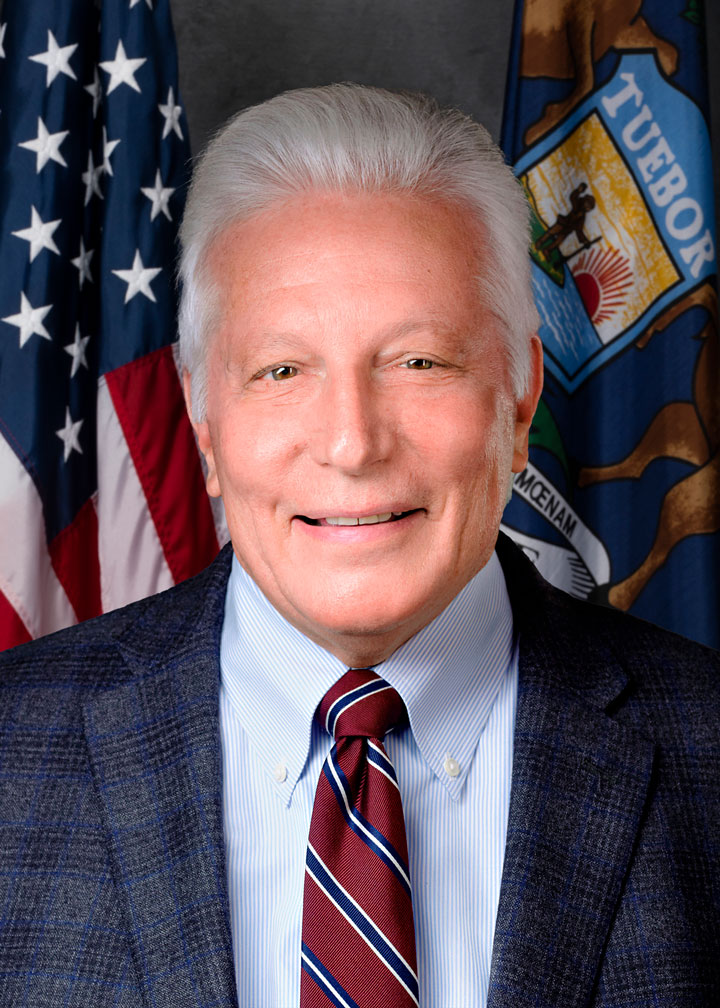
Chedrick Greene
100% support rate
Top opponent
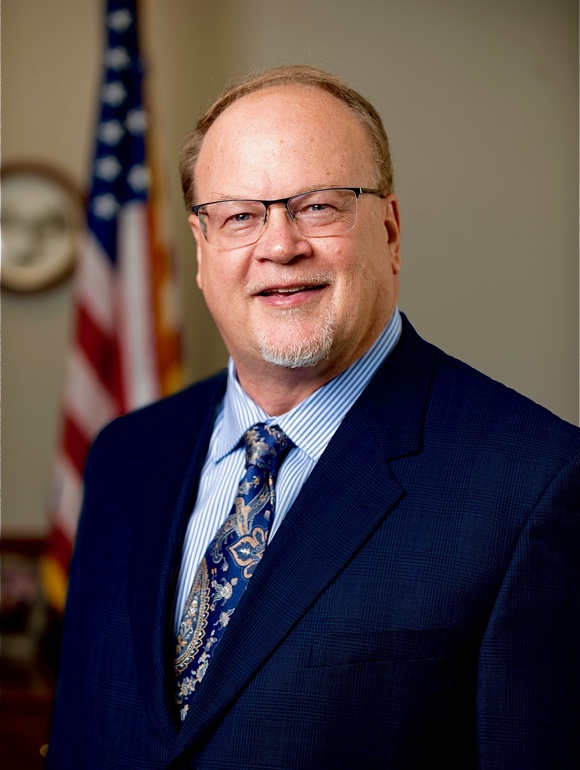
Jim Runestad
6% support rate
Ranked legislators
10
5 support · 5 oppose
Key legislators

Who's moving budget & taxes in Michigan

Legislators moving budget & taxes in Michigan
Legislator Party Stance Support rate Votes
Chedrick Greene
Chedrick Greene Senate · District 35
D
Strong +
100% 17
John Cherry
John Cherry Senate · District 27
D
Strong +
97% 95
Paul Wojno
Paul Wojno Senate · District 10
D
Strong +
97% 94
Dayna Polehanki
Dayna Polehanki Senate · District 5
D
Strong +
97% 93
Sarah Anthony
Sarah Anthony Senate · District 21
D
Strong +
95% 97
Jim Runestad
Jim Runestad Senate · District 23
R
Strong −
6% 73
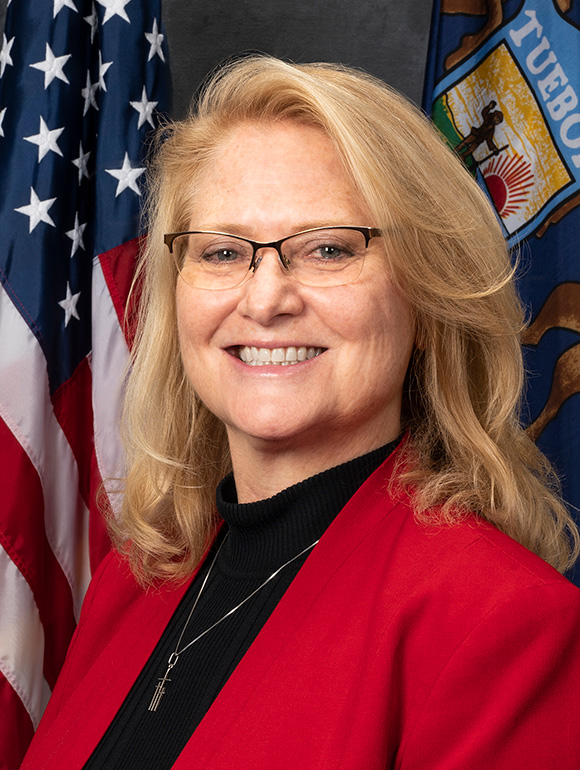
Lana Theis
Lana Theis Senate · District 22
R
Strong −
10% 94
Thomas Albert
Thomas Albert Senate · District 18
R
Strong −
11% 95
Jonathan Lindsey
Jonathan Lindsey Senate · District 17
R
Strong −
11% 94
Michele Hoitenga
Michele Hoitenga Senate · District 36
R
Strong −
11% 92
Showing 181–190 of 639 bills

All budget & taxes bills

in committee · Michigan · Senate Apr 21, 2026

SB 871: Appropriations: department of licensing and regulatory affairs; appropriations for fiscal year 2026-2027; provide for. Creates appropriation act.

This bill allocates state funding to the Department of Licensing and Regulatory Affairs for the fiscal year ending September 30, 2027. It authorizes the department to spend the appropriated funds on its authorized operations and programs during that period. The legislation establishes the legal framework for how the department may use these financial resources.
in committee · Michigan · Senate Apr 14, 2026

SB 880: Appropriations: supplemental; appropriations for multiple departments and branches for fiscal year 2025-2026; provide for. Creates appropriation act.

This bill provides additional funding to various state departments, agencies, the judicial branch, and the legislative branch for the 2025-2026 fiscal year. It establishes the specific amount of money each entity receives and sets conditions on how those funds can be spent. The legislation creates a formal appropriation act to authorize the expenditure of these resources across multiple branches of state government.
passed · Michigan · Senate Apr 30, 2026

SB 875: Appropriations: capital outlay; appropriations for fiscal year 2026-2027; provide for. Creates appropriation act.

This bill establishes funding for fiscal year 2026-2027 to support construction, renovation, demolition, and equipment projects for state buildings and facilities. It directly affects state agencies, institutions of higher education, community colleges, and the state building authority by authorizing capital outlay expenditures. The legislation creates an appropriation act to provide the necessary financial resources for these infrastructure projects during the specified fiscal year.
signed · Michigan · Senate Jul 29, 2026

SB 878: Appropriations: omnibus; supplemental appropriations for multiple departments and branches for the fiscal year 2026-2027 and supplemental appropriations for fiscal year 2025-2026; provide for. Creates appropriation act.

This bill establishes the state budget for Michigan for the fiscal year 2026-2027, allocating funds to various state departments, agencies, the judicial branch, and the legislative branch. It consolidates and adjusts appropriations from previous bills to ensure all state operations have the necessary financial resources for the upcoming year. The legislation includes conditions on how certain funds must be spent and outlines the procedures for distributing and utilizing the allocated budget. This omnibus measure directly impacts state government operations by providing the financial framework needed to run public services and government functions.
in committee · Michigan · Senate Apr 28, 2026

SB 864: Appropriations: department of state police; appropriations for fiscal year 2026-2027; provide for. Creates appropriation act.

This bill allocates state funding to the Michigan Department of State Police for the fiscal year 2026-2027. It authorizes the expenditure of appropriated funds to support the department's operations and personnel during this period. The legislation establishes the financial framework for the department's budget without specifying individual line items. This measure directly impacts the department's ability to carry out its law enforcement duties with state resources.
in committee · Michigan · Senate Apr 28, 2026

SB 869: Appropriations: department of education; appropriations for fiscal year 2026-2027; provide for. Creates appropriation act.

SB 869 is a budget bill that allocates funds to Michigan's Department of Education for the fiscal year 2026-2027. The legislation establishes the legal authority for the state to spend money on education programs and operations during that period. It does not change existing education policies or programs but simply provides the financial resources needed to continue them. The bill affects state education administrators and school districts that receive funding from the department.
in committee · Michigan · Senate Mar 26, 2026

SB 889: Agriculture: other; farm produce insurance fund; increase allocation for administrative expenses. Amends sec. 9 of 2003 PA 198 (MCL 285.319).

This bill increases the annual allocation for administrative expenses in Michigan's Farm Produce Insurance Fund from $500,000 to $950,000. The change directly affects the fund's management by allowing more money to cover operational costs such as premium refunds, enforcement, record-keeping, and other approved expenses. The bill does not alter the fund's existing investment rules or claim payment procedures, but it updates the specific dollar limit for administrative spending. This adjustment is intended to provide greater financial flexibility for the board managing the insurance program.
passed both · Michigan · House Jun 4, 2026

HB 5650: State management: funds; certain litigation involving the attorney general; require reporting to the legislature of. Creates new act.

This Michigan bill requires the state attorney general to submit quarterly reports to both houses of the legislature whenever litigation costs exceed $250,000, with more detailed reporting required for cases exceeding $1,000,000. The reports must include financial accounts, explanations of the legal cases, and justifications for the expenditures, ensuring lawmakers can track how state funds are being used in legal proceedings. If the attorney general fails to submit these reports, legislators can seek court orders to compel compliance, and the auditor general must investigate and report on any violations of the new requirements. The bill establishes clear thresholds for transparency and creates enforcement mechanisms to ensure accountability in state legal spending.
passed · Michigan · Senate May 12, 2026

SB 877: Appropriations: supplemental; appropriations for multiple departments and branches for fiscal year 2025-2026; provide for. Creates appropriation act. TIE BAR WITH: SB 0878'26

This bill establishes a supplemental appropriations act for Michigan state departments, agencies, the judicial branch, and the legislative branch for fiscal year 2025-2026. It authorizes funding for various state operations and includes conditions on how the appropriated funds may be spent. The legislation creates the legal framework for distributing and utilizing state money during the specified fiscal year.
in committee · Michigan · Senate Mar 17, 2026

SB 840: Individual income tax: credit; credit for certain qualified dependents; provide for. Amends 1967 PA 281 (MCL 206.1 - 206.847) by adding sec. 281.

This bill creates a new tax credit for Michigan residents with qualified dependents starting in the 2026 tax year. The credit equals 50% of the state school aid target foundation allowance for each dependent who is between 5 and 18 years old, not enrolled in public school, and has demonstrated proficiency in reading and math. If the credit amount is larger than the taxpayer's tax liability, the excess will be refunded to the taxpayer. The Department of Treasury may require proof that a dependent meets the eligibility requirements.
Showing 181 to 190 of 639 bills
Previous 1 18 19 20 64 Next