

Maddy summaryHR 139, the SHOW UP Act of 2023, requires U.S. federal executive agencies to revert to their pre-pandemic telework policies and levels by January 30, 2024 (30 days after enactment). Agencies must conduct a study on pandemic-era telework impacts - including effects on mission performance, costs from underused offices or incorrect pay classifications, and employee productivity - and submit a new plan to Congress if they seek to expand telework beyond 2019 levels. This plan requires certification from the Office of Personnel Management (OPM) Director confirming it will improve mission performance, reduce real property costs, lower locality pay expenses, and ensure secure remote work tools without increasing overall costs. The bill directly affects all federal executive agencies and their telework policies, mandating a return to pre-2020 practices while creating a formal process for any future telework expansion.
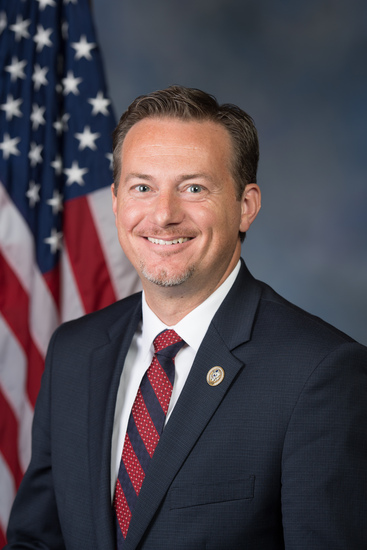
Rep. Michael Cloud
Sponsored bills
This resolution impeaches Secretary of Homeland Security Alejandro Nicholas Mayorkas for high crimes and misdemeanors related to his actions regarding border security and immigration.
Maddy summaryThe Restoring Military Focus Act (HR 678) repeals the Chief Diversity Officer position in the Department of Defense and prohibits the creation of similar roles. It specifically eliminates two existing positions: the Chief Diversity Officer (under pre-2021 Title 10, U.S. Code) and the Senior Advisor for Diversity and Inclusion (under the 2021 National Defense Authorization Act). The bill bans federal funding for any new position that matches or closely resembles these roles. This directly affects the Department of Defense's organizational structure by removing diversity-focused leadership roles and preventing their replacement.
Maddy summaryThe A PLUS Act (HR 631) allows states to consolidate federal education funds into a single funding stream, reducing administrative burdens for school districts. It requires states to submit a "declaration of intent" outlining which programs they’ll bundle (excluding special education funds), report annual student progress data to parents, and ensure federal funds supplement - rather than replace - state education spending. States must limit administrative costs to 1% of consolidated funds (3% if excluding Title I) and maintain public accountability through transparent reporting on achievement gaps and funding use. The act directly affects states, school districts, and students - particularly disadvantaged groups - by streamlining fund management while mandating public reporting on educational outcomes.
Protecting Life and Integrity in Research Act of 2023 This bill restricts research that uses human fetal tissue from an induced abortion. Specifically, it prohibits the Department of Health and Human Services from conducting or supporting such research. Additionally, the bill applies requirements on the research of transplantation of fetal tissue for therapeutic purposes to research on fetal tissue in general. The bill also prohibits soliciting or acquiring a donation of human fetal tissue from an induced abortion, other than for purposes of an autopsy or burial.
Maddy summaryThis bill would prohibit the FDA from approving new abortion medications or investigational uses of existing ones. It would restrict currently approved abortion drugs to in-person administration only in clinics, hospitals, or medical offices by certified providers who can handle complications like ectopic pregnancy or severe bleeding. The law requires detailed adverse event reporting (excluding patient identifiers) to the FDA by both manufacturers and prescribers, and mandates provider certification covering pregnancy assessment, surgical intervention capabilities, and patient safety documentation. These provisions apply directly to healthcare providers, patients seeking medication abortions, and manufacturers of abortion drugs.
Maddy summaryThis bill prohibits federal funding to Planned Parenthood Federation of America and its affiliates for one year unless they certify they won't perform or fund abortions (with exceptions for rape/incest or life-threatening conditions). It redirects $235 million in existing funding to community health centers for women's health services like contraception, cancer screenings, and prenatal care. The bill explicitly states that redirected funds will continue to support all women's health services previously provided by Planned Parenthood. It also requires repayment of funds if Planned Parenthood violates the certification, and clarifies that overall federal funding for women's health services remains unchanged.
Maddy summaryHR 564 redirects unspent funds from the American Rescue Plan Act of 2021 (ARP) to reduce the federal deficit. It requires all unobligated ARP funds - money allocated but not yet spent - to be sent to the Treasury's general fund upon the bill's enactment. This action directly affects federal budget accounting by canceling unused appropriations rather than creating new programs or aiding specific groups. The bill does not alter existing laws or services but focuses solely on reallocating existing, unspent federal funds. It is a procedural budget measure with no direct impact on taxpayers or beneficiaries of the ARP.
Maddy summaryHR 570, the CRT Act, prohibits federal funding for elementary, secondary, and higher education institutions that promote specific race-based theories. It bans schools from using federal funds if they teach or require students to adopt beliefs such as "any race is inherently superior," the U.S. being "fundamentally racist," or individuals bearing racial responsibility for others' actions. The bill includes key exceptions: it protects outside speech, allows research access to prohibited materials, and permits teaching about these theories in educational contexts without endorsing them. The law directly affects schools receiving federal education funds, not individual students or teachers.
Maddy summaryThis bill requires healthcare providers to give the same medical care to infants born alive during abortions as they would to any newborn, and to immediately admit such infants to a hospital. It mandates reporting of non-compliance to law enforcement and imposes penalties including up to 5 years in prison for violations. Women who undergo abortions can file civil lawsuits seeking money damages for injuries, three times the abortion cost, and punitive damages if care standards are not met. The bill also clarifies that abortion includes intentionally killing an unborn child or terminating pregnancy without specific exceptions (e.g., after viability to preserve life or removing a dead fetus).