

In committee Sep 24, 2026
1 co-sponsor
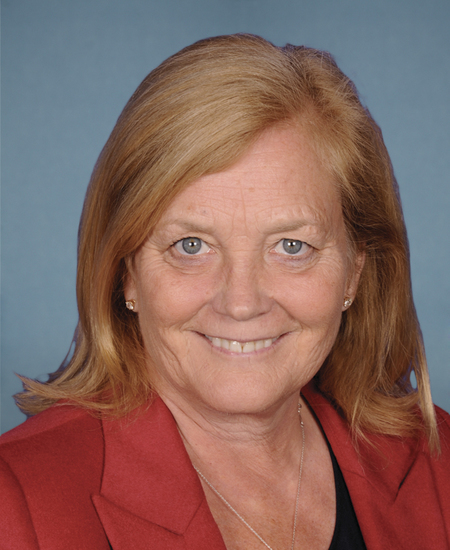
Rep. Chellie Pingree
Total votes
2,837
all sessions
Attendance
97%
90 missed
Lower than 78% of chamber peers
With party
98%
of cast votes
Near the chamber average
Bipartisan score
1%
crosses aisle rarely
Near the chamber average
Sponsored
1,902
bills & resolutions
Higher than 90% of chamber peers
Committees
5
assignments
1,902 bills and resolutions
Sponsored bills
Total
1,902
Primary
69
Co-sponsor
1,833
This page
1,902
matching current filters
In committee Sep 24, 2026
1 co-sponsor
Lindsey O. Graham Sanctioning Russia and Iran Act of 2026
Maddy summaryHR 5334, the SEED Act of 2025, expands the existing educator expense deduction under federal tax law to explicitly include early childhood educators. It revises the Internal Revenue Code to cover expenses for "early childhood educators" and broadens the educational levels affected to include "pre-kindergarten through grade 12." This change allows early childhood educators (such as preschool teachers) to deduct work-related expenses like classroom supplies and professional development costs, which they previously could not claim under the existing deduction for "kindergarten through grade 12" teachers. The amendment applies to expenses incurred in taxable years beginning after December 31, 2024.
Budget & TaxesSupports Budget & TaxesExpands tax deduction for early childhood educators, providing tax relief for lower/middle-income educators under IRS code, aligning with support indicators for tax relief.
EducationSupports EducationExpands tax deduction for early childhood educators' work expenses, directly supporting teachers by reducing out-of-pocket costs for supplies and professional development.
Labor & EmploymentSupports Labor & EmploymentBill expands tax deductions for early childhood educators, supporting worker benefits and financial relief for educators.
Signed into law Sep 18, 2026
1 co-sponsor
Expressing support for "Military Sexual Trauma Awareness Day".
Maddy summaryThis House resolution expresses support for Military Sexual Trauma Awareness Day, observed on September 25, 2026, and affirms a commitment to supporting survivors of sexual assault or harassment in the Armed Forces. It encourages the Department of Defense and the Department of Veterans Affairs to expand access to related services and ensure they are well-publicized and available to all veterans. The resolution also promotes transparency and accountability in how these agencies handle cases to build trust and prevent retaliation for survivors. Finally, it underscores a commitment to working with the Department of Defense to address the root causes of military sexual trauma with the goal of eradicating it.
HealthcareSupports HealthcareBill encourages DoD and VA to expand access to services for sexual trauma survivors and ensure they are well-publicized, directly advancing healthcare support.
VeteransSupports VeteransBill explicitly supports survivors of military sexual trauma and urges DoD/VA to expand access to services for veterans.
In committee Sep 17, 2026
1 co-sponsor
In committee Sep 17, 2026
1 co-sponsor
Expressing support for designation of the week of September 13 through 19, 2026, as "National Adult Education and Family Literacy Week".
Maddy summaryThis House resolution expresses support for designating the week of September 13 through 19, 2026, as National Adult Education and Family Literacy Week to raise public awareness about these programs. The bill cites data showing that a significant portion of U.S. adults lack basic literacy, numeracy, or English proficiency skills, which are described as essential for economic competitiveness and national security. It encourages partnerships among educators, employers, and community organizations to expand access to training in areas such as digital literacy and workforce preparation. Additionally, the resolution calls on public, private, and nonprofit entities to support these initiatives to help individuals achieve economic mobility and strengthen their families and communities.
In committee Sep 16, 2026
1 co-sponsor
Debt-Free College Act of 2026
Maddy summaryThe Debt-Free College Act of 2026 establishes a state-federal partnership that provides federal grants to states to cover the unmet financial need of eligible students attending in-state public colleges, effectively making tuition debt-free for those who qualify. To participate, states must commit to capping tuition increases at inflation levels, maintaining their current level of funding for higher education, and implementing student success programs that support low-income and underserved populations. The bill also creates a separate five-year grant program for specific minority-serving institutions and tribal colleges to help them cover student costs, while simultaneously expanding federal financial aid eligibility to include "Dreamer students" who entered the United States as minors under certain conditions.
In committee Sep 16, 2026
1 co-sponsor
Textile Waste Reduction Act
Maddy summaryThe Textile Waste Reduction Act directs the Environmental Protection Agency to create a National Textile Circularity Strategy aimed at reducing textile waste and promoting the repair, reuse, and recycling of clothing and fabrics. To support this effort, the bill establishes an Interagency Working Group that coordinates activities across multiple federal departments, including Energy, State, and Commerce-related agencies. Additionally, it creates an Advisory Board composed of industry experts, academics, government officials, and non-governmental organizations to provide ongoing guidance on policy development. The Administrator is required to publish data on textile waste disposal and identify available federal funding opportunities to help states, local governments, and tribal nations implement these circularity initiatives.
EnergySupports EnergyThe bill establishes an Interagency Working Group that coordinates activities across multiple federal departments, including Energy, to reduce textile waste. This implies some level of engagement by the Energy department.
EnvironmentSupports EnvironmentThe bill directly addresses environmental protection by aiming to reduce textile waste and promote circularity, which lessens landfill burden and conserves resources.
In committee Sep 16, 2026
0 co-sponsors
Backlog Justice Act of 2026
Maddy summaryThe Backlog Justice Act of 2026 aims to reduce the backlog of untested sexual assault evidence kits by requiring the Attorney General to create a public database tracking inventory levels and laboratory processing times across state and local jurisdictions. To address staffing shortages, the bill authorizes the FBI to develop training programs for forensic analysts and DNA technical leaders, allowing states and localities to hire individuals who have completed this federal training. Additionally, it funds a program for the FBI to collaborate with state and local providers on validating new DNA processing technologies and sharing related protocols. The legislation also provides increased grant funding to states that implement electronic tracking systems allowing sexual assault survivors to monitor the status of their evidence kits from collection through final disposition.
In committee Sep 16, 2026
1 co-sponsor
ASAP Act
Maddy summaryThis bill would require Medicare to cover early detection screening tests for Alzheimer's disease and related dementias starting January 1, 2028. It defines eligible tests as FDA-cleared genomic blood tests, blood product analyses, or equivalent medical imaging methods (like protein expression or whole genome sequencing) that detect pre-symptomatic or early-stage conditions. Medicare beneficiaries would receive this coverage without cost-sharing for these specific screenings. The bill amends Medicare coverage rules to explicitly include these tests under Section 1861(nnn) of the Social Security Act.
In committee Sep 16, 2026
1 co-sponsor
Ask Maddy
·
AI policy assistant
Ask Maddy about Chellie Pingree
Scope: massachusetts
Hi! I can help you understand Chellie Pingree's legislative record. What would you like to know?
Try one of these
i
Maddy answers using official bill text and legislative records. Always verify before sharing.
Sources cited inline