Issue · Criminal Justice

Criminal Justice

Every criminal justice bill, vote, and legislator stance in Massachusetts, automatically classified by Maddy, our AI policy reader.

Total bills
10
119th Congress
Top supporter
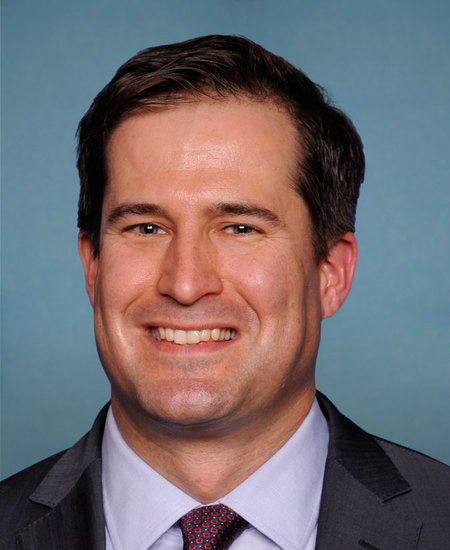
Seth Moulton
65% support rate
Top opponent
Elizabeth Warren
26% support rate
Ranked legislators
9
5 support · 4 oppose
Key legislators

Who's moving criminal justice in Massachusetts

Legislators moving criminal justice in Massachusetts
Legislator Party Stance Support rate Votes
Seth Moulton
Seth Moulton House · District 6
D
Support
65% 132
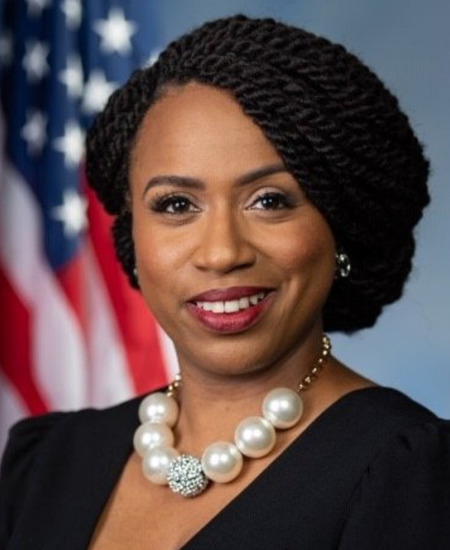
Ayanna Pressley
Ayanna Pressley House · District 7
D
Support
63% 152
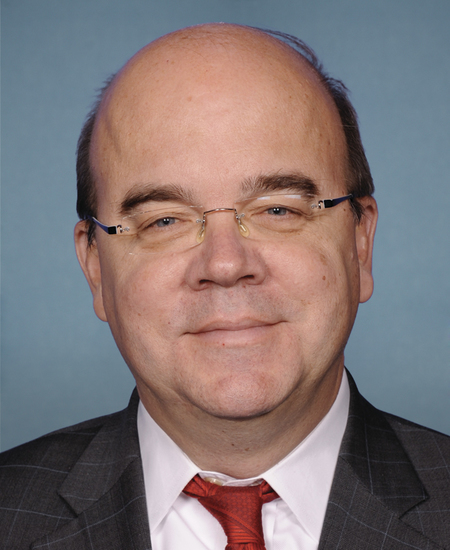
James P. McGovern
James P. McGovern House · District 2
D
Support
63% 153
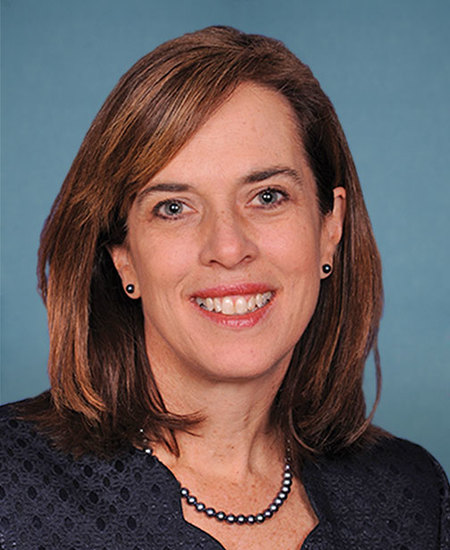
Katherine M. Clark
Katherine M. Clark House · District 5
D
Support
63% 153
Lori Trahan
Lori Trahan House · District 3
D
Support
61% 146
Elizabeth Warren
Elizabeth Warren Senate
D
Oppose
26% 170
Edward J. Markey
Edward J. Markey Senate
D
Oppose
26% 171
Stephen F. Lynch
Stephen F. Lynch House · District 8
D
Mixed −
43% 149
William R. Keating
William R. Keating House · District 9
D
Mixed −
47% 152
Showing 10 of 10 bills

All criminal justice bills

in committee · United States · House Sep 4, 2026

HR 10300: Big Tech Accountability Act

The Big Tech Accountability Act creates criminal and civil penalties for individuals and online platforms that knowingly spread false information about essential government services or amplify content encouraging violence. It removes the legal immunity currently granted to internet service providers under Section 230 if they use algorithms to target specific users with such harmful content or act recklessly in facilitating its spread. Additionally, the bill bans covered online platforms from using personal data to target advertisements and directs the Federal Trade Commission to propose regulations requiring genuine user consent for the collection and sale of online personal information.
in committee · United States · House Sep 2, 2026

HR 10231: No Homeless Detention Centers Act

The No Homeless Detention Centers Act prohibits recipients of federal housing funds from forcing homeless individuals to live in government facilities or requiring them to perform labor in exchange for shelter. The bill also bans local and state authorities from punishing people for engaging in basic life-sustaining activities, such as sleeping or resting, on public property. These restrictions apply to actions taken by law enforcement officers or private contractors acting under federal authority. By tying these prohibitions to federal funding, the legislation aims to prevent the use of criminal penalties or involuntary confinement to address homelessness.
in committee · United States · House Feb 4, 2025

HR 923: Stop Arming Cartels Act of 2025

The Stop Arming Cartels Act of 2025 prohibits civilian possession, sale, or transfer of rifles capable of firing .50 caliber ammunition, with exceptions for government use and rifles lawfully owned before the bill's enactment. It requires owners of such rifles to register them with the federal government within 12 months, without fees, and adds these rifles to the National Firearms Act registry. The bill also creates new federal firearm restrictions for significant foreign narcotics traffickers identified under the Foreign Narcotics Kingpin Designation Act and expands reporting requirements for rifle sales to include all rifles. This directly affects civilian rifle owners, sellers, and individuals designated as foreign narcotics traffickers.
in committee · United States · House Apr 28, 2026

HR 8557: Short-Term Holding Facility Standards Restoration Act.

This bill requires U.S. Immigration and Customs Enforcement to limit the use of short-term holding facilities to a maximum of 12 hours for detainees, unless specific exceptional circumstances like medical emergencies or natural disasters occur. To enforce this rule, the Department of Homeland Security must ensure facilities remain safe and provide meals every six hours, along with constant access to water and appropriate food for vulnerable individuals such as minors and pregnant women. The legislation also mandates that officials document any instances where a detainee is held longer than 12 hours and submit annual reports to Congress detailing the number of such cases, their duration, and the reasons given for the extended custody. Additionally, the Department's Inspector General will conduct periodic audits to verify compliance with these new standards.
in committee · United States · House Feb 4, 2026

HR 7346: Drain ICE Act of 2026

HR 7346, the Drain ICE Act of 2026, repeals specific funding provisions (sections 90003 and 100052) from the "One Big Beautiful Bill Act" and cancels all unspent funds allocated under those sections. This bill directly affects ICE’s detention budget by removing existing financial authority for detention operations. It does not change immigration enforcement practices or directly impact individuals; it solely modifies budgetary allocations. The bill focuses on eliminating funding mechanisms, not on policy changes for migrants or enforcement. (Procedural bill; summary limited to 2 sentences as specified.)
in committee · United States · Senate Dec 11, 2025

S 3458: Background Check Completion Act of 2025

This bill amends federal law to remove a specific deadline for completing background checks on firearm purchases. It deletes the requirement that background checks must be completed within 10 business days, as previously established under the Brady Handgun Violence Prevention Act. The change directly affects firearm sellers (such as licensed dealers) who conduct these checks, removing a strict timeline for completing the process. The bill focuses on technical adjustments to existing background check procedures without altering the underlying requirements for the checks themselves.
Sub-Topics Firearms
in committee · United States · House Jun 30, 2025

HR 4257: End Domestic Terrorism Act

HR 4257, the End Domestic Terrorism Act, creates a new federal crime for killing three or more people in a single incident using machineguns or specific types of semi-automatic rifles (called "covered semiautomatic weapons") at designated locations like schools, places of worship, medical facilities, or retail stores. It defines "covered semiautomatic weapons" to include rifles with features like detachable magazines, pistol grips, or folding stocks, as well as AK/AR-style firearms. The law requires prosecutors to file charges under this provision for qualifying incidents, and mandates annual reports to Congress detailing each case, including victim counts, weapons used, and demographic data of those charged. It also requires public reporting of response costs and victim assistance following such incidents.
in committee · United States · House Jul 21, 2026

HR 1266: Combating Illicit Xylazine Act

HR 1266, the Combating Illicit Xylazine Act, adds xylazine - a veterinary sedative increasingly found in illicit drug mixtures - to Schedule III of the Controlled Substances Act, regulating its use and trafficking. It directly affects veterinarians, animal owners, and manufacturers by allowing xylazine to be legally dispensed for animal use under specific veterinary prescriptions, while prohibiting non-veterinary human use. The bill includes transition periods (60 days for practitioners, 1 year for labeling) to ease compliance for manufacturers and practitioners, and requires the DEA and FDA to expedite necessary applications. It also mandates two congressional reports on xylazine's illicit use and trafficking patterns, and directs the Sentencing Commission to review penalties for offenses involving xylazine.
Sub-Topics Drug Policy Sentencing
passed · United States · House Jan 13, 2026

HR 909: Crime Victims Fund Stabilization Act of 2025

HR 909, the Crime Victims Fund Stabilization Act of 2025, modifies how funds from the False Claims Act are deposited into the Crime Victims Fund. It specifies that from 2025 through 2029, certain False Claims Act proceeds (specifically those for qui tam plaintiff payments and government damage reimbursements) cannot be deposited into the fund. This change directly affects the composition of the Crime Victims Fund by excluding these specific revenue streams during the specified period. The bill does not create new benefits or alter victim services; it only adjusts fund allocation rules for existing False Claims Act revenues.
Sub-Topics Victims' Rights
passed · United States · House May 13, 2026

HR 2853: Combating Organized Retail Crime Act of 2025

This bill would amend federal law to strengthen penalties for organized retail crime by expanding definitions of theft to include digital goods, gift cards, and setting a $5,000 aggregate value threshold for charges over a 12-month period. It would establish a new "Organized Retail and Supply Chain Crime Coordination Center" under Homeland Security to coordinate Federal, State, local, and Tribal law enforcement efforts against cross-jurisdictional theft groups. The Center would share information with retailers, transportation companies, and law enforcement agencies, track crime trends, and produce annual reports on organized retail crime. This legislation directly affects retailers, supply chain businesses, and law enforcement agencies, while targeting organized crime groups responsible for a 93% increase in larceny incidents and rising safety concerns for retail employees. The bill aims to address significant financial losses and supply chain disruptions noted in the National Retail Federation's 2023 data.