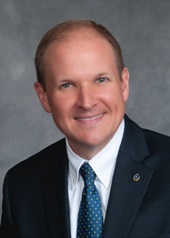
By Representative Cruz of Salem, a petition (accompanied by bill, House, No. 5537) of Manny Cruz (with the approval of the mayor and city council) that the city of Salem be authorized to increase the limit of a local excise tax for the purpose of funding school and municipal facilities. Revenue. [Local Approval Received.]
By Representative Arena-DeRosa of Holliston, a petition (accompanied by bill, House, No. 5526) of James C. Arena-DeRosa (by vote of the town) that the town of Holliston be authorized to establish a means-tested senior citizen property tax exemption for debt exclusion construction projects. Revenue. [Local Approval Received.]
This bill is a procedural document that places a financial report on file rather than creating new laws or changing policies. It details the distribution of Rural School Aid funding for fiscal year 2026 across various towns and regional school districts in Massachusetts. The report lists specific dollar amounts allocated to each location, showing how the state's $16 million budget for that year was distributed. No new actions or requirements are established by this filing; it simply records existing financial data for transparency.
This document is not a legislative bill but a formal budget report submitted by the Office of Veteran Advocate for fiscal year 2027. It details the financial resources the agency is requesting to continue its operations and services for veterans. The report was filed on June 18, 2026, and does not contain new laws or policy changes.
This document is a formal communication from the Office of the Comptroller to the state legislature, not a legislative bill, so it does not create new laws or directly affect the public. It submits an updated schedule for transferring money from the Commonwealth Transportation Fund to the Massachusetts Department of Transportation for fiscal year 2026. The adjustment reflects savings identified by MassDOT and details the specific monthly transfer amounts required to fund the department's operations.
This bill authorizes the town of Holliston to create a temporary property tax exemption for senior citizens living in homes that have received debt exclusion funding for construction projects. To qualify, applicants must be at least 60 years old, have lived in the town for at least 10 years, and have income levels that would make them eligible for the state's circuit breaker income tax credit. The Select Board will set the annual exemption amount between 10% and 40% of the applicant's previous circuit breaker credit, and the Board of Assessors can deny the exemption if the applicant has excessive assets. The program is designed to expire three years after the bill takes effect, though the town may choose to renew it for additional three-year periods.
By Representative Cruz of Salem, a petition (accompanied by bill, House, No. 5538) of Manny Cruz (with the approval of the mayor and city council) that the city of Salem be authorized to increase the short-term rental community impact fee in said city for the purpose of school and municipal facilities. Revenue. [Local Approval Received.]
This document is a quarterly report submitted by the Executive Office of Health and Human Services to state committees regarding the Children's Medical Security Plan for the period from October 1, 2024, through December 31, 2024. It provides statistical data on the program's performance, noting that 87,730 children were eligible for coverage at the end of the quarter. The report details financial expenditures totaling approximately $11.7 million, which covered medical, dental, and pharmacy services for about 38,500 active members. Additionally, it outlines policy changes effective January 1, 2025, where premiums were removed for families earning up to 300% of the federal poverty level and all copayments were eliminated for all members.
This bill appropriates additional state funds for fiscal year 2026 to support various government programs, including substance addiction services, homelessness initiatives, and transportation snow removal. It also establishes a new State Lottery and Gaming Fund to manage lottery revenues specifically for prize payments, administrative costs, and affordable childcare grants. Furthermore, the legislation amends laws regarding military service recognition to define specific conflict periods and remove residency requirements for certain veteran benefits.
This law provides $7.7 billion in temporary funding to state departments and agencies to cover necessary expenses for fiscal year 2027 before the main budget is finalized. It allows the state treasurer to make early payments to local cities, towns, and school districts that face an emergency cash shortage, provided they are certified by state officials. Additionally, the bill reauthorizes unused funds from capital accounts that would normally expire at the end of 2026 so they can be used for obligations in 2027. The provisions take effect on June 30, 2026, and will stop applying once the general appropriation act for the fiscal year is enacted.