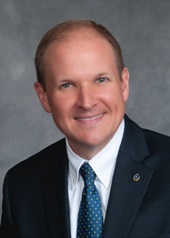
By Mr. Fattman, a petition (accompanied by bill) (subject to Joint Rule 12) of Ryan C. Fattman for legislation to exempt Software as a Service (SaaS) products from sales taxes. Revenue.
By Mr. Rush, a petition (accompanied by bill, Senate, No. 2071) of Michael F. Rush and Paul McMurtry for legislation to grant property tax relief to seniors. Revenue.
By Mr. O'Connor, a petition (accompanied by bill, Senate, No. 2048) of Patrick M. O'Connor for legislation relative to property taxes and senior citizens. Revenue.
This bill establishes a legal limit on how much municipal property tax assessments can increase annually. It directly affects property owners in towns and cities by capping the yearly rise in their tax assessment values. The key provision sets a specific percentage limit (not stated in the abstract) on assessment increases, preventing sudden large jumps in tax bills. This creates a predictable tax environment for residents without specifying exact rates or exemptions.
This bill allows local governments (like towns or cities) to choose whether to freeze property tax appraisals for a set period. If adopted, it would prevent annual increases in a property's assessed value used to calculate taxes, directly affecting homeowners in communities that implement the freeze. The key mechanism is a local vote by municipal authorities to adopt the freeze option, which would halt tax hikes tied to rising property values. This creates a concrete policy change for local revenue management without mandating statewide action.
By Mr. O'Connor, a petition (accompanied by bill, Senate, No. 2062) of Patrick M. O'Connor for legislation relative to the taxation of natural gas infrastructure. Revenue.
This bill would require natural gas utility companies to pay property taxes on above-ground conduits, wires, and pipes used for transporting natural gas. It directly affects gas utility companies that own and operate this infrastructure. The key provision changes current tax treatment by subjecting these specific above-ground assets to standard property taxation, rather than exempting them. This policy change aims to generate additional revenue for state or local governments through taxation of this infrastructure.
S 1994 (An Act relative to fairness in taxation) would require non-profit corporations with total assets exceeding $10 million (as reported in their financial statements) to pay property taxes on real property they own. This bill directly affects large non-profit organizations, such as major hospitals, universities, or charities, that meet the asset threshold. The key provision mandates these entities to contribute to local property tax revenue, aligning their tax treatment more closely with for-profit property owners. The bill aims to address perceived inequities in how non-profits contribute to local tax bases.
This bill (H 4761) is a funding measure for the fiscal year 2025, specifically adding supplemental money to existing state budgets for ongoing programs and projects. It directly affects state agencies and programs that rely on annual appropriations by providing additional financial resources. The bill resolves differences between the House and Senate versions of the funding plan through a conference committee process. As an appropriations bill, it focuses on budgetary allocation rather than creating new policies or regulations.
S 2049 would establish a tax exemption for municipalities when purchasing gas for their operations. This directly affects local governments that buy gas for services like public transportation, street cleaning, or municipal vehicle fleets. The key provision removes a tax on these gas purchases, reducing operational costs for municipalities. The legislation aims to provide immediate financial relief by exempting gas expenses from taxation.