Issue · Transportation

Transportation

Every transportation bill, vote, and legislator stance in Maryland, automatically classified by Maddy, our AI policy reader.

Total bills
145
2026 Regular Session
Top supporter
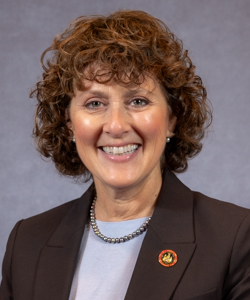
Craig Zucker
100% support rate
Top opponent
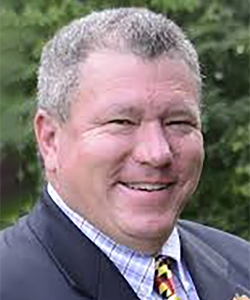
Johnny Mautz
0% support rate
Ranked legislators
10
5 support · 5 oppose
Key legislators

Who's moving transportation in Maryland

Legislators moving transportation in Maryland
Legislator Party Stance Support rate Votes
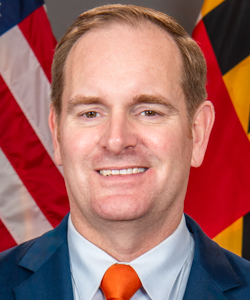
Craig Zucker
Craig Zucker Senate · District 14
D
Strong +
100% 40
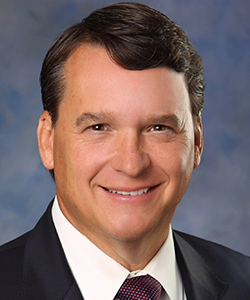
Shelly Hettleman
Shelly Hettleman Senate · District 11
D
Strong +
100% 37
Nick Charles
Nick Charles Senate · District 25
D
Strong +
100% 27
Katie Hester
Katie Hester Senate · District 9
D
Strong +
100% 40
Dalya Attar
Dalya Attar Senate · District 41
D
Strong +
100% 17
Johnny Mautz
Johnny Mautz Senate · District 37
R
Strong −
0% 40
Jack Bailey
Jack Bailey Senate · District 29
R
Strong −
7% 39
Jason Gallion
Jason Gallion Senate · District 35
R
Strong −
7% 40
Steve Hershey
Steve Hershey Senate · District 36
R
Strong −
8% 36
Paul Corderman
Paul Corderman Senate · District 2
R
Strong −
13% 40
Showing 131–140 of 145 bills

All transportation bills

in committee · Maryland · House of Delegates Mar 19, 2026

HB 466: Civil Actions - Motor Vehicle Accidents Involving Vulnerable Individuals - Comparative Negligence

HB 466 modifies Maryland's comparative negligence law for motor vehicle accident cases involving vulnerable individuals (as defined in § 21-901.3 of the Transportation Article, such as minors or elderly individuals). It prevents plaintiffs from being barred from recovering damages solely due to their own negligence, unless their negligence was both a direct cause of their injury and greater than the combined negligence of all defendants. Damages awarded under this law would be reduced proportionally based on the plaintiff’s share of fault. The law applies only to accidents occurring on or after October 1, 2026, and does not change existing rules about joint liability or the last clear chance doctrine.
in committee · Maryland · Senate Jan 16, 2026

SB 158: Counties - Construction of Sidewalks and Crosswalks - Safe Alternative Routes to Public Schools

SB 158 requires Maryland counties to create safe walking routes for public school students living beyond bus service distance. Each year, school boards must identify areas where students cannot access bus transportation and report potential safe walking paths (including sidewalks, footpaths, or bike paths). County governments must then build necessary sidewalks and crosswalks to enable these routes, coordinating with other agencies if roads are outside county control. The bill directly affects school districts, county governments, and students seeking safer walking options to school. It takes effect July 1, 2026.
signed · Maryland · House of Delegates May 12, 2026

HB 668: St. Mary's County - Prohibition on Standing in Inherently Dangerous Highway

HB 668 prohibits people from standing in roadways, shoulders, median dividers, or intersections in St. Mary’s County that are officially designated as "inherently dangerous" (meaning they pose a serious, unmitigable injury risk to pedestrians or drivers). It specifically requires county or municipal authorities to identify such locations and install required warning signs meeting state traffic control standards before police can issue citations for violations. The law takes effect October 1, 2026, and applies only to St. Mary’s County. It does not create new penalties but limits enforcement to areas with proper signage.
Sub-Topics Roads & Highways
signed · Maryland · House of Delegates Apr 14, 2026

HB 253: Vehicle Laws - Heavy Weight Port Corridor Permits - Regulations

HB 253 updates Maryland's rules for heavy-weight truck permits used by carriers transporting sealed international freight containers. It requires vehicles to stay under 100,000 pounds, follow specific routes between Seagirt Marine Terminal and authorized destinations, travel only during permitted hours, and adhere to speed limits set on the permit. The bill directs the Secretary of Transportation to establish permit fees, axle weight limits, designated "heavy weight port corridor" routes, and approved destinations. This primarily affects trucking companies moving international cargo through the Seagirt Marine Terminal. The changes would take effect on June 1, 2026.
Sub-Topics Freight Ports
signed · Maryland · House of Delegates Apr 14, 2026

HB 229: Maryland Transportation Authority - Revenue Bond Limit - Increase

HB 229 proposes to increase the Maryland Transportation Authority's (MDTA) annual limit for outstanding toll-revenue bonds from $4 billion to $5 billion, effective June 30 each year. This change directly affects the MDTA, allowing it to issue more bonds to fund transportation projects financed through toll revenue. The bill also specifies that the $5 billion cap would be reduced by any federal loans or drawn lines of credit under the Transportation Infrastructure Finance and Innovation Act. The increase aims to provide greater flexibility for the MDTA to finance transportation infrastructure without requiring annual legislative approval for the bond limit. The bill is currently pending in committee after a favorable report.
in committee · Maryland · House of Delegates Feb 9, 2026

HB 230: Transportation - Consolidated Transportation Program - Prioritization (Transportation Investment Priorities Act of 2026)

HB 230 requires Maryland's Department of Transportation to create and use a standardized scoring system to evaluate and rank major surface transportation projects for funding. It directly affects local governments, transit agencies, and other entities submitting project requests by mandating they be scored based on criteria like alignment with state transportation goals and project impact. Key provisions include publishing project scores, listing recommended projects for the Consolidated Transportation Program, and altering the Maryland Transportation Commission's structure and responsibilities. The bill changes how projects are prioritized for inclusion in state transportation funding decisions, replacing previous methods with this scoring approach.
signed · Maryland · Senate May 12, 2026

SB 10: State Highway Administration - Speed Monitoring Systems - Application Approval

This bill requires Maryland's State Highway Administration to approve, deny, or return speed monitoring system applications within 90 days. If the Administration fails to act within this timeframe, the application is automatically approved. It directly affects counties seeking to install speed monitoring systems on state highways within municipal areas, mandating they first obtain the Administration's approval and notify local municipalities. The bill also defines "speed monitoring systems" as devices capturing images of vehicles exceeding the speed limit by at least 12 mph. The law takes effect October 1, 2026.
in committee · Maryland · House of Delegates Jan 19, 2026

HB 249: Vehicle Laws - Automated Enforcement - Reciprocal Agreements, Arrangements, and Declarations

HB 249 allows Maryland to create formal agreements with other states to enforce automated traffic violations (like camera-recorded speeding or red-light tickets) across state lines. It authorizes the Motor Vehicle Administrator to enter reciprocal enforcement agreements, meaning out-of-state violations recorded by traffic cameras or speed systems could affect a vehicle's registration in Maryland. The bill directly affects vehicle owners, as it permits refusing registration or renewal for vehicles with unresolved violations in partner jurisdictions. This policy change streamlines cross-state enforcement of automated traffic laws without specifying new penalties or safety outcomes.
in committee · Maryland · Senate Jan 14, 2026

SB 110: Motor Vehicles - Accidents - Required Testing for Impaired Driving (Mateo's Law)

SB 110 (Mateo's Law) requires drivers involved in motor vehicle accidents causing death or life-threatening injury to submit to mandatory breath and blood testing for impairment. It directly affects drivers in these specific crash scenarios, mandating testing if police have reasonable suspicion of alcohol, drug, or combined impairment. The bill specifies that police may direct either breath testing, blood testing, or both, and applies existing legal procedures for such testing. Medical personnel performing these tests are protected from civil liability for non-gross-negligent actions.
passed · Maryland · Senate Mar 25, 2026

SB 352: Motor Vehicles - Special Registration Plates - Old Line Plates (Old Line License Plate Program Act of 2026)

SB 352 creates a special "Old Line Plate" program for Maryland motor vehicles, allowing owners of qualifying vehicles (passenger cars, light trucks under 10,000 lbs, and multipurpose vehicles) to obtain registration plates with numeric-only license numbers (1-5 digits, no letters or leading zeros). The Motor Vehicle Administration will auction rights to specific numbers, with proceeds funding transportation costs. Owners can transfer these number rights under strict rules (e.g., 180-day holding period, limited annual transfers) but cannot claim ownership of the plate itself. The program takes effect October 1, 2026, with the first auction by December 1, 2026.
Showing 131 to 140 of 145 bills