Issue · Healthcare

Healthcare (Seniors)

Every healthcare bill, vote, and legislator stance in Maryland, automatically classified by Maddy, our AI policy reader.

Total bills
4
2026 Regular Session
Top supporter
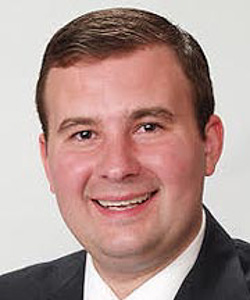
Aaron Kaufman
100% support rate
Top opponent
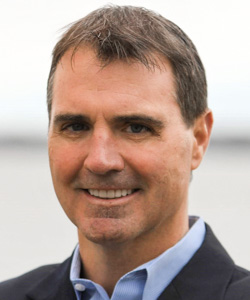
Brian Chisholm
0% support rate
Ranked legislators
10
5 support · 5 oppose
Key legislators

Who's moving healthcare · seniors in Maryland

Legislators moving healthcare in Maryland
Legislator Party Stance Support rate Votes
Aaron Kaufman
Aaron Kaufman House · District 18
D
Strong +
100% 4
Aletheia McCaskill
Aletheia McCaskill House · District 44B
D
Strong +
100% 4
Andre Johnson
Andre Johnson House · District 34A
D
Strong +
100% 4
Andrea Harrison
Andrea Harrison House · District 24
D
Strong +
100% 4
Andrew Pruski
Andrew Pruski House · District 33A
D
Strong +
100% 4
Brian Chisholm
Brian Chisholm House · District 31
R
Strong −
0% 4
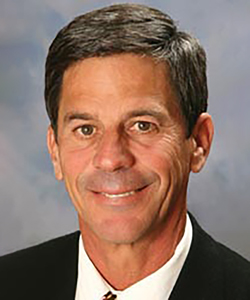
Jay Jacobs
Jay Jacobs House · District 36
R
Strong −
0% 4
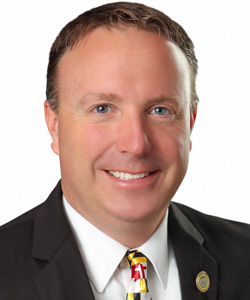
Jeff Ghrist
Jeff Ghrist House · District 36
R
Strong −
0% 4
Jesse Pippy
Jesse Pippy House · District 4
R
Strong −
0% 4
Kathy Szeliga
Kathy Szeliga House · District 7A
R
Strong −
0% 4
Showing 4 of 4 bills

All healthcare bills

signed · Maryland · House of Delegates May 26, 2026

HB 811: Aging-in-Place Programs - Grants - Multigenerational Third Places ( Village Multigenerational Third Places Act)

HB 811 authorizes Maryland's Department of Aging to provide grants to nonprofit organizations and area agencies on aging. These grants support social connection for seniors in aging-in-place programs by funding events or gatherings at community spaces (called "multigenerational third places") where people of all ages can interact. The bill specifically requires 20% of the annual $100,000 minimum grant funding to support "senior villages" - local nonprofit organizations that foster social connections through member-driven activities and neighbor assistance. It directly affects seniors seeking community engagement, nonprofit organizations operating senior villages, and area agencies on aging managing grant applications.
Tags Seniors
passed · Maryland · House of Delegates Mar 25, 2026

HB 989: State Assistance for the Elderly - Study on Calculation of Income

HB 989 modifies how income is calculated for elderly individuals seeking state assistance. It prohibits including rental income from a portion of an individual's primary residence (e.g., renting a room) when determining eligibility for state tax credits, housing assistance, or medical assistance programs. The Department of Aging must review all relevant programs to confirm applicability and notify administering agencies if the rule applies. This change directly affects elderly Marylanders who rely on state assistance programs with income-based eligibility requirements. The law takes effect July 1, 2026.
Tags Seniors
signed · Maryland · Senate May 26, 2026

SB 530: Aging-in-Place Programs - Grants - Multigenerational Third Places (Village Multigenerational Third Places Act)

SB 530 creates a new grant program for the Maryland Department of Aging to fund nonprofit organizations and area agencies on aging. It specifically provides grants to support social connection for seniors in aging-in-place programs through events at "multigenerational third places" - community spaces (not homes or workplaces) where people of different ages gather. The bill requires nonprofits to match grant funds and sets aside at least 20% of the annual $100,000 minimum appropriation for senior villages (member-driven community organizations supporting aging in place). The grants cover operational costs for these community spaces, including lease or rental expenses, to help seniors stay connected in their neighborhoods.
Sub-Topics Appropriations Tags Seniors
signed · Maryland · House of Delegates Apr 14, 2026

HB 278: Human Services - Department of Aging and Commission on Aging (The Longevity Ready Maryland Act)

HB 278, the "Longevity Ready Maryland Act," requires Maryland's Secretary of Aging to lead implementation of the Longevity Ready Maryland Plan. This plan aims to coordinate state services for older adults by evaluating their needs, assessing existing programs, and fostering cross-sector collaboration across health, housing, employment, and social services. The bill mandates annual reports to the governor and legislature on progress, updates the Commission on Aging's role, and requires a comprehensive statewide plan to be revised every four years. It directly affects older Marylanders, the Department of Aging, local area agencies on aging, and state agencies responsible for aging-related services.
Sub-Topics Long-Term Care Tags Seniors