Issue · Healthcare

Healthcare (Substance Abuse)

Every healthcare bill, vote, and legislator stance in Maryland, automatically classified by Maddy, our AI policy reader.

Total bills
27
2026 Regular Session
Top supporter
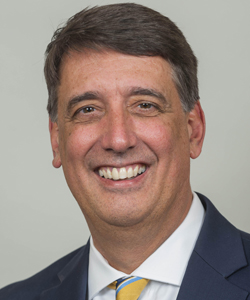
Guy Guzzone
100% support rate
Top opponent
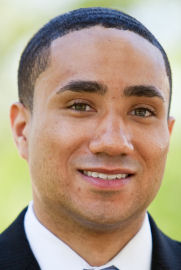
April Miller
0% support rate
Ranked legislators
10
5 support · 5 oppose
Key legislators

Who's moving substance abuse in Maryland

Legislators moving substance abuse in Maryland
Legislator Party Stance Support rate Votes
Guy Guzzone
Guy Guzzone Senate · District 13
D
Strong +
100% 6
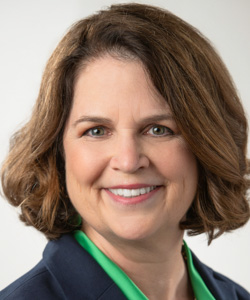
Pam Guzzone
Pam Guzzone House · District 13
D
Strong +
100% 6
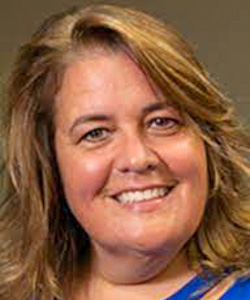
Stephanie Smith
Stephanie Smith House · District 45
D
Strong +
100% 6
Will Smith
Will Smith Senate · District 20
D
Strong +
100% 6
Courtney Watson
Courtney Watson House · District 9B
D
Strong +
100% 5
April Miller
April Miller House · District 4
R
Strong −
0% 3
April Rose
April Rose House · District 5
R
Strong −
0% 3
Barrie Ciliberti
Barrie Ciliberti House · District 4
R
Strong −
0% 3
Brian Chisholm
Brian Chisholm House · District 31
R
Strong −
0% 3
Chris Adams
Chris Adams House · District 37B
R
Strong −
0% 3
Showing 11–20 of 27 bills

All healthcare bills

signed · Maryland · House of Delegates Apr 14, 2026

HB 838: State Board of Pharmacy - Prescriber-Pharmacist Agreements

HB 838 repeals a requirement that prescribers submit prescriber-pharmacist agreements to their regulating health board. Instead, it allows pharmacists (with specific qualifications, registrations, and training) to directly enter agreements authorizing them to treat opioid use disorder using controlled substances. A key provision requires pharmacists to check the Prescription Drug Monitoring Program (PDMP) for relevant patient data before starting or changing such therapy. This bill directly affects pharmacists, prescribers, and patients with opioid use disorder by expanding pharmacists' role in medication management under defined safeguards.
in committee · Maryland · House of Delegates Feb 13, 2026

HB 1477: Public Health - Ibogaine Clinical Research Grant Program - Establishment (Veterans Mental Health Innovations Act)

HB 1477 establishes Maryland's Ibogaine Clinical Research Grant Program to fund clinical trials on ibogaine - a naturally occurring compound from the iboga plant - for treating opioid use disorder and other neurological conditions. The program, administered by the Maryland Department of Health in consultation with the Department of Veterans and Military Families, awards up to three annual grants to eligible research institutions in Maryland that meet specific criteria (including expertise in neurological disorders and substance use treatment) and require matching funds equal to the grant amount. Funding comes from $500,000 annually (fiscal years 2028-2030) in the Opioid Restitution Fund, with recipients required to conduct FDA-overseen trials and submit quarterly progress and financial reports. The bill aligns with the "Veterans Mental Health Innovations Act" title but does not restrict trials to veterans, focusing instead on broader neurological and opioid use disorder research.
in committee · Maryland · Senate Feb 9, 2026

SB 602: Algorithmic Addiction Fund - Establishment

SB 602 establishes the Algorithmic Addiction Fund in Maryland to use settlement funds from cases where social media algorithms harmed children. The fund, administered by the Maryland Department of Health, is financed by civil penalties from settlements related to social media harm and earns interest. It directly supports children by funding prevention programs (like school digital literacy campaigns), treatment services for mental health impacts (such as depression and anxiety), research, and evidence-based interventions. The fund is non-lapsing, meaning unused money rolls over annually, and all spending must align with the state budget.
in committee · Maryland · House of Delegates Feb 11, 2026

HB 448: Health Facilities - Certified Recovery Residences - Unannounced Inspections

This bill requires Maryland's Department of Health to conduct at least two unannounced annual inspections of each certified recovery residence to verify compliance with health and safety standards. Facilities found noncompliant must correct deficiencies within one month of receiving notice; failure to do so may result in certification revocation. The law amends existing health code (§ 19-2502.1) to establish this inspection schedule and remediation process. It directly affects certified recovery residences operating in Maryland under the state's credentialing system.
passed · Maryland · Senate Apr 13, 2026

SB 435: Public Health - Medetomidine and Xylazine Consumer Protection Act

This bill requires retailers selling medetomidine or xylazine products (veterinary sedatives sometimes misused in illicit drugs) to verify buyers' intended veterinary, scientific, or institutional use and confirm they are 21+ years old. Retailers must maintain records of sales, including proof of age and purpose, and face civil penalties of up to $6,500 per violation. All fines collected under this law must be deposited into Maryland's Substance Abuse Fund. The law applies to all businesses selling these products, including online platforms, and takes effect October 1, 2026.
passed both · Maryland · House of Delegates Apr 13, 2026

HB 417: Criminal Law - Schedule III Controlled Dangerous Substances - Medetomidine and Xylazine

HB 417 (Public Health - Medetomidine and Xylazine Consumer Protection Act) regulates the sale of veterinary drugs medetomidine and xylazine. It prohibits retailers from selling these products without proof the buyer intends to use them for veterinary, scientific, or institutional purposes, and bans sales to anyone under 21. Retailers must maintain records of sales, including age verification and proof of intended use. Violations carry civil fines up to $6,500 per offense, with penalties deposited into Maryland's Substance Abuse Fund. The bill directly affects pharmacies, veterinary suppliers, and online retailers selling these specific products.
died · Maryland · House of Delegates Mar 20, 2026

HB 367: Health Insurance - Physical Therapy - Copayments, Coinsurance, and Deductibles

HB 367 prohibits health insurers, nonprofit health plans, and health maintenance organizations in Maryland from charging patients more for physical therapy services (like those for injury recovery) than they charge for an annual physical or wellness visit under the same plan. It requires these insurers to clearly disclose physical therapy coverage details, including limits and conditions, in all plans. The law applies to all health insurance policies issued, delivered, or renewed in Maryland after January 1, 2027. This bill directly affects patients seeking physical therapy and insurers operating in Maryland by standardizing out-of-pocket costs for these services.
signed · Maryland · House of Delegates May 12, 2026

HB 423: Prince George's County - Public High Schools - Drug Detection Products PG 501-26

HB 423 requires Prince George’s County public high schools to provide free drink spiking detection products (for GHB/ketamine) and fentanyl detection strips to all students starting the 2026-2027 school year. These products must be available at no cost in school health clinics or libraries. Each school must also report annually (by October 1) to Maryland’s Office of Overdose Response the quantity distributed during the prior school year. The bill applies exclusively to Prince George’s County schools and takes effect July 1, 2026.
Sub-Topics Substance Abuse
signed · Maryland · Senate May 26, 2026

SB 379: Recovery Residence Grant Program - Funding

This bill ensures Maryland's Recovery Residence Grant Program receives $500,000 annually from fiscal years 2024 through 2030 by requiring this funding be included in the state's annual budget. It directly supports recovery residences (such as sober living facilities) that provide housing and support services for people in addiction recovery. The law updates existing funding rules to extend the annual budget requirement through 2030, preventing potential funding gaps. This creates a stable funding mechanism for these community-based recovery programs.
Sub-Topics Substance Abuse
in committee · Maryland · House of Delegates Feb 13, 2026

HB 515: Public Health - Local Drug Overdose Fatality Review Teams - Membership

HB 515 requires that hospital representatives on Maryland's county drug overdose fatality review teams hold specific leadership roles - such as vice president, chief medical officer, or assistant medical officer - instead of any hospital staff member. This change directly affects county-level review teams that analyze overdose deaths, as well as the hospitals participating in them. The bill amends existing law to specify these qualifications for hospital representatives within the team membership structure. It does not create new teams or funding but sets a clearer standard for who can serve in this role. The law takes effect October 1, 2026.
Showing 11 to 20 of 27 bills