Issue · Healthcare

Healthcare

Every healthcare bill, vote, and legislator stance in Maryland, automatically classified by Maddy, our AI policy reader.

Total bills
366
2026 Regular Session
Top supporter
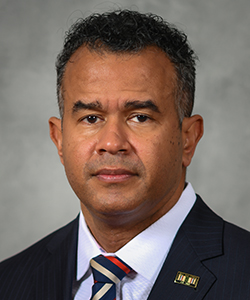
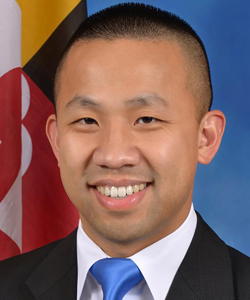
C.T. Wilson
100% support rate
Top opponent
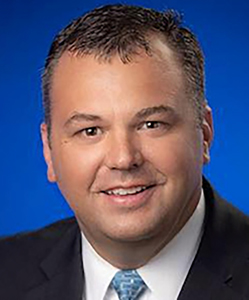
Jason Gallion
0% support rate
Ranked legislators
10
5 support · 5 oppose
Key legislators

Who's moving healthcare in Maryland

Legislators moving healthcare in Maryland
Legislator Party Stance Support rate Decisive votes
C.T. Wilson
C.T. Wilson House · District 28
D
Strong +
100% 34
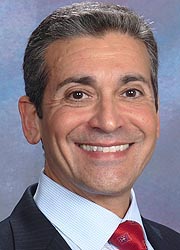
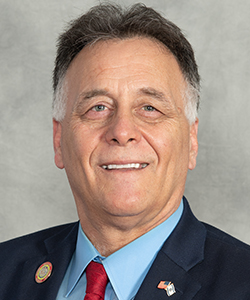
Ben Kramer
Ben Kramer Senate · District 19
D
Strong +
100% 23
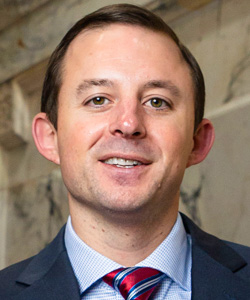
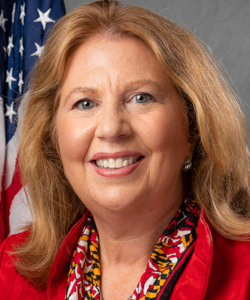
Bill Ferguson
Bill Ferguson Senate · District 46
D
Strong +
100% 23
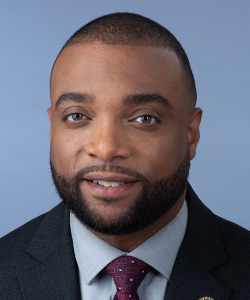
Carl Jackson
Carl Jackson Senate · District 8
D
Strong +
100% 23
Clarence Lam
Clarence Lam Senate · District 12
D
Strong +
100% 23
Jason Gallion
Jason Gallion Senate · District 35
R
Strong −
0% 23
Jack Bailey
Jack Bailey Senate · District 29
R
Strong −
0% 22
J.B. Jennings
J.B. Jennings Senate · District 7
R
Strong −
4% 23
Johnny Salling
Johnny Salling Senate · District 6
R
Strong −
4% 23
Mary Beth Carozza
Mary Beth Carozza Senate · District 38
R
Strong −
5% 22
Showing 151–160 of 366 bills

All healthcare bills

in committee · Maryland · Senate Feb 9, 2026

SB 550: Health Care Decisions Act - Surrogate Decision Making - Mental Disorders

SB 550 amends Maryland's Health Care Decisions Act to allow surrogates (like family members or appointed guardians) to authorize treatment for a person's mental disorder if that person has been certified as unable to make informed health care decisions. It repeals the previous ban preventing surrogates from making such decisions, updating the priority order for who can act as a surrogate (e.g., guardians first, then spouse, adult children, or qualified friends/relatives). Qualified friends or relatives must now provide an affidavit to the physician confirming their relationship and familiarity with the patient’s wishes. This change directly affects patients certified as incapable of making their own mental health treatment decisions and their designated surrogates.
Sub-Topics Mental Health
passed · Maryland · House of Delegates Mar 23, 2026

HB 1150: Health Occupations - Pharmacists - Minor Conditions and HIV Prevention and Treatment (Rapid Testing and Preventive Care Act)

HB 1150 expands pharmacists' scope of practice in Maryland to prescribe, administer, and dispense medications for specific minor conditions and HIV prevention/treatment under statewide protocols. It directly affects pharmacists (by allowing new clinical duties) and patients (by increasing access to care for conditions like cold sores, strep throat, flu, lice, urinary infections, and HIV testing). Key provisions include permitting pharmacists to prescribe for minor, self-limiting conditions without a new diagnosis and to perform/interpret HIV lab tests while prescribing PrEP/PEP medications. The bill repeals the previous nPEP standing order program and requires the Maryland Department of Health to establish these protocols.
in committee · Maryland · House of Delegates Feb 12, 2026

HB 1200: Vehicle Laws - Electronic and Video Tolls - Exemption for Registered Owners Undergoing Cancer Treatment

HB 1200 exempts registered vehicle owners undergoing active cancer treatment from liability for electronic or video tolls if they provide medical documentation confirming they were between scheduled cancer treatments at the time of the toll transaction. The bill amends Maryland's vehicle toll laws to add this exemption, requiring owners to submit documentation from a licensed healthcare provider by the date specified on the toll notice. This directly affects cancer patients who operate their registered vehicles during treatment, relieving them from paying tolls and potential penalties for those specific transactions. The exemption applies only to tolls incurred during the period of ongoing cancer treatment, as verified by medical records.
in committee · Maryland · Senate Feb 12, 2026

SB 549: Mental Health - Treatment Plans for Individuals in Facilities - Participation of Family Members or Other Individuals

SB 549 requires Maryland mental health facilities to inform patients about their right to include family members or other chosen individuals in treatment planning meetings. Facilities must provide a clear form and information about advance directives when patients consent, and reconfirm consent at least every seven days. The bill mandates facilities to share meeting schedules and allow authorized participants to join treatment team discussions, while limiting providers from withholding information only if they believe consent was forced. Patients can withdraw consent anytime, orally or in writing.
Sub-Topics Mental Health
in committee · Maryland · Senate Feb 12, 2026

SB 832: Nonprofit Hospitals - Community Benefits

SB 832 requires most nonprofit hospitals in Maryland to provide annual community benefits equal to either 100% of their tax-exempt value or 5% of their net patient revenue (with at least 4% in charity care). Hospitals must file annual reports detailing these benefits to the Health Services Cost Review Commission within 120 days of their fiscal year-end. The Commission then reports annually to the Attorney General and Comptroller by December 1, including compliance status and financial details. If a hospital fails to meet the requirements, the Comptroller may revoke its tax-exempt status for the following year, though hospitals can correct unintentional errors to avoid this. The bill excludes hospitals in counties with populations under 50,000.
in committee · Maryland · House of Delegates Feb 13, 2026

HB 1129: Maryland Medical Assistance Program - Provider Agencies - Wages and Leave for Personal Care Aides

HB 1129 requires provider agencies that contract with Maryland's Medicaid program (specifically for services like Community First Choice and Community Personal Assistance) to pay personal care aides a minimum wage of $17 per hour and provide written wage notices. It mandates these agencies to offer 24 hours of paid sick leave annually (or upon hire) and additional paid leave at a rate of 1 hour per 30 hours worked after 720 hours in a year. The Maryland Department of Health can enforce compliance through corrective plans, program suspension, or termination for noncompliance. This bill directly affects personal care aides employed by Medicaid-reimbursed agencies, aiming to improve their compensation and leave benefits.
signed · Maryland · Senate May 26, 2026

SB 587: Maryland Patient Safety Center Fund - Funding

SB 587 requires the Governor to include a mandatory $1 million annual appropriation for the Maryland Patient Safety Center Fund in the state budget, starting with fiscal year 2027. This fund subsidizes the designated Patient Safety Center’s costs to develop statewide patient safety initiatives, reduce preventable harm, and improve equitable healthcare. The Center must coordinate with healthcare providers and patients, and the Commission administers the nonlapsing fund, which includes interest earnings and must be reported to legislative committees annually. The bill directly affects the Center, the Governor, and the Commission, ensuring consistent funding for patient safety efforts without replacing other state appropriations.
passed · Maryland · Senate Mar 24, 2026

SB 870: Maryland Department of Health - Adolescent Psychiatric Inpatient Beds - Reports on Capacity and Outcomes

SB 870 requires the Maryland Department of Health to ensure at least 24 licensed adolescent psychiatric inpatient beds are operational in Prince George’s County by December 2028. The bill mandates the Department to expand capacity through existing facilities, private contracts, or public-private partnerships, prioritizing solutions that reduce emergency department boarding and ensure access regardless of insurance. It also creates a grant program to fund capital costs like construction, renovations, and safety upgrades for qualifying facilities. The Department must report annually to the Governor and General Assembly on bed availability, boarding metrics, staffing barriers, and recommendations for maintaining capacity.
Sub-Topics Mental Health
signed · Maryland · House of Delegates May 26, 2026

HB 1470: Medical Assistance Programs - Drug Dispensing - Cost-of-Dispensing Survey

HB 1470 requires Maryland's Department of Health to conduct an in-state cost-of-dispensing survey for Medicaid drugs at least once every three years, starting in 2026. Within six months after each survey, the Department must set a fee-for-service reimbursement rate for pharmacists dispensing Medicaid-covered drugs based on the survey results. This directly affects pharmacies participating in Maryland's Medical Assistance Program (Medicaid), as the new fee structure will determine their reimbursement for drug dispensing services. The bill establishes a regular, data-driven process to update these fees, ensuring they reflect actual dispensing costs.
Sub-Topics Medicaid
died · Maryland · House of Delegates Mar 19, 2026

HB 995: Health Occupations - Behavioral Health Care Providers - Use of Artificial Intelligence

HB 995 prohibits behavioral health care providers (like therapists and counselors) in Maryland from using artificial intelligence for direct patient care, including assessment, diagnosis, treatment, or therapeutic communication. The bill allows AI for administrative tasks such as scheduling appointments or managing records, but requires providers to: comply with confidentiality laws, sign vendor agreements preventing data misuse, and obtain written patient consent about AI risks. Providers must also independently verify AI-generated clinical data before use. The law takes effect October 1, 2026, and applies to all licensed behavioral health providers in Maryland.
Showing 151 to 160 of 366 bills
Previous 1 … 15 16 17 … 37 Next