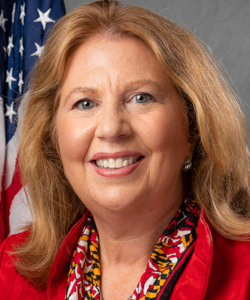
HB 1135 allows pharmacists in Maryland to order certain vaccinations for patients aged 3 and older without needing to administer the vaccine themselves. Pharmacists must complete 20+ hours of approved training covering vaccine safety, injection techniques, and emergency response, hold current CPR certification, and report all vaccinations to the ImmuNet program. The bill specifically covers influenza, COVID-19, and emergency-use vaccines, and requires pharmacists to refer minors to pediatric care when ordering vaccines. This expands pharmacists' role in vaccine access while maintaining safety protocols and reporting requirements.
SB 773 allows pharmacists in Maryland to order certain vaccinations (like flu, COVID-19, or emergency vaccines) for patients aged 3 and older without needing to administer the vaccine themselves. To qualify, pharmacists must complete 20 hours of approved training, hold current CPR certification, and complete 2 hours of continuing education on immunizations. The bill requires pharmacists to follow written vaccine-specific protocols, report all vaccinations to Maryland’s ImmuNet registry, and refer pediatric patients to primary care providers when appropriate. This policy directly affects pharmacists, patients seeking these vaccines, and healthcare coordination for immunizations. The changes take effect October 1, 2026.
SB 915 requires individuals performing limited X-ray procedures (such as chest, spine, and limb imaging) in Maryland to register with the State Board of Physicians. It restricts these operations to non-invasive X-rays only (excluding CT scans, mammography, or fluoroscopy) and mandates 115 hours of specialized training plus 6 months of clinical experience. The bill also establishes disciplinary procedures for violations and allows physician assistants to perform X-ray duties under physician supervision, while updating rules for cardiovascular specialists and medical graduates. This directly affects medical staff, radiologic technicians, and physician assistants conducting basic X-ray services in clinical settings.
SB 778 creates a new "clinical research pharmacy permit" required for pharmacies conducting clinical trials in Maryland. It allows healthcare providers to own such pharmacies under specific conditions, including requiring a licensed pharmacist to be on-site at all times and prohibiting owners from receiving payment for patient referrals. The bill also exempts clinical trials conducted by corporations from being classified as "practice of medicine," removing a licensing barrier for these activities. This directly affects pharmacies seeking to operate clinical trials, healthcare providers considering ownership, and the State Board of Pharmacy (as the permit issuer).
SB 159 requires Maryland's Emergency Medical Services (EMS) providers to maintain specific equipment and supplies on ambulances, including neonatal care items, and mandates quarterly reviews of performance data like response times and service quality. It also requires counties to establish formal, accessible complaint systems for ambulance quality or conduct issues, with online and in-person filing, tracking, and quarterly reporting to the state EMS Institute. These provisions directly affect all counties and municipalities operating or contracting EMS services, as well as the Maryland Institute for EMS Systems, which coordinates the statewide standards. The bill aims to standardize ambulance equipment, improve accountability through data reviews, and enhance patient access to complaint resolution. It takes effect July 1, 2026.
SB 96 updates terminology in Maryland's Sheila E. Hixson Behavioral Health Services Matching Grant Program by removing the word "active" before "service member" throughout the law. This change clarifies that the program serves all service members (including those not currently on active duty), veterans, and their families, without altering eligibility criteria or funding. The bill specifically revises definitions in Section 7.5-210(a)(2)(i), (b)(2), and (e)(1)(ii) to replace "active service member" with "service member." It does not create new benefits or change who qualifies for grants, only how the program describes its target population. The change aims to align the law with the program's actual scope and improve clarity.
HB 446 establishes the Dementia Services and Brain Health Program within Maryland’s Department of Health to lead state public health efforts on brain health and dementia. The program replaces the previous "Director" role for key duties, including staffing the Virginia I. Jones Alzheimer’s Disease and Related Dementias Council and overseeing implementation of the State Plan on Alzheimer’s and related dementias. It requires the program, in partnership with the Department of Aging and other entities, to develop a clinical toolkit for healthcare providers to improve dementia care. The bill updates existing law to formalize this program structure and its responsibilities.
HB 374 revises Maryland's acupuncture licensing rules to clarify that "manual therapies" (like acupressure) are included under licensed acupuncture practice. It requires the State Acupuncture Board to provide proof of license renewal instead of issuing physical renewal certificates. The bill also explicitly prohibits employers from hiring unlicensed practitioners and bans aiding or abetting unauthorized acupuncture practice. These changes directly affect licensed acupuncturists, their employers, and individuals seeking acupuncture services in Maryland. The revisions aim to modernize licensing procedures while strengthening enforcement against unlicensed activity.
SB 370 revises Maryland's acupuncture licensing rules by defining "manual therapies" as part of licensed acupuncture practice and requiring the State Acupuncture Board to provide proof of license renewal instead of issuing physical renewal certificates. The bill prohibits employers from hiring unlicensed acupuncture practitioners or aiding unauthorized practice, with penalties including civil fines up to $50,000 and criminal charges for repeat offenses. It directly affects licensed acupuncturists, their employers, and clinics that hire practitioners, clarifying what constitutes authorized practice under state law. The changes take effect October 1, 2026, and align licensing standards with national certification requirements for new applicants.
SB 39 establishes a workgroup to develop a sustainable reimbursement rate methodology for Maryland's Certified Community Behavioral Health Clinics (CCBHCs) and Outpatient Mental Health Centers (OMHCs), directly affecting behavioral health providers facing financial strain due to outdated rates. The bill requires the Maryland Department of Health to conduct a cost study of OMHC services, form an advisory panel to review rate recommendations, and increase Medicaid reimbursement rates for OMHCs in fiscal years 2026 and 2027. Key provisions include evaluating provider costs, workforce needs, and alignment with somatic health care parity, while addressing closures like those in Frederick County. The workgroup must report findings by December 2027, aiming to stabilize provider finances and ensure continued access to community mental health care.