Maddy summarySRES 513 is a non-binding Senate resolution designating November 22, 2025, as National Adoption Day and all of November 2025 as National Adoption Month. It aims to promote public awareness of adoption, particularly for children in foster care awaiting permanent families, and encourages Americans to support adoption efforts. The resolution directly affects the public, adoption agencies, and foster care systems by formally recognizing these dates for nationwide awareness campaigns. It does not create new laws or policies but seeks to highlight existing adoption opportunities and the need for stable homes for children.
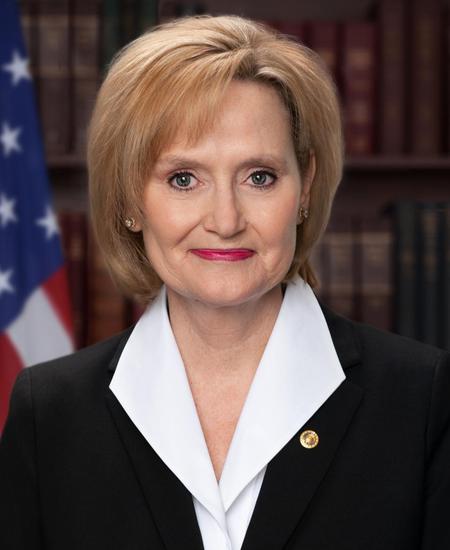
Sen. Cindy Hyde-Smith
Sponsored bills
Maddy summaryThis is a ceremonial Senate resolution (SRES 489) that formally commends Delta State University in Cleveland, Mississippi, for its 100 years of service to Mississippi and the U.S. It does not create new laws or obligations; instead, it symbolically recognizes the university's historical milestones, academic contributions, and community impact. The resolution directs the Senate to send a copy to the university's leadership (President, Provost, and Athletic Director). As a non-binding expression of support, it affects no individuals or policies beyond this symbolic acknowledgment.
Maddy summaryS 3267, the ASAP Act, would require Medicare to cover early detection screening tests for Alzheimer's disease and related dementias starting January 1, 2028. The bill defines these tests as FDA-cleared or approved blood, genomic, or imaging-based screenings for pre-symptomatic or early-stage detection. It directly affects Medicare beneficiaries aged 65+ who may be at risk for Alzheimer's, ensuring coverage for these specific tests once approved. The key provision adds these screenings to Medicare's payment system under Section 1833(h)(1)(A) of the Social Security Act.
Maddy summarySRES 507 designates November 20, 2025, as "National Rural Health Day," continuing an annual observance established in 2011. The resolution recognizes rural health care providers and the communities they serve, acknowledging challenges like hospital closures and access barriers in rural areas. It does not create new policies or funding but formally designates a date for public recognition. This procedural resolution was introduced by multiple senators and passed unanimously.
Maddy summaryThis bill amends the Federal Food, Drug, and Cosmetic Act to expand the authority of the Secretary of Health and Human Services (HHS) to order the destruction of imported goods refused entry at U.S. borders if they pose a public health risk. It specifically broadens the scope beyond drugs and devices to include "any article" (such as food, cosmetics, or other products) that HHS determines presents a significant health concern. The bill also prohibits the unauthorized movement, sale, or export of such refused articles, adding new enforcement provisions under Section 301. This directly affects importers of hazardous goods denied entry, with implementation requiring HHS to finalize regulations within 90 days of enactment.
Maddy summaryS 3209, the NOPAIN for Veterans Act, requires the Department of Veterans Affairs (VA) to include non-opioid pain medications in its national formulary for veterans. The bill defines "non-opioid pain management drugs" as FDA-approved treatments for acute pain that don't use opioid receptors. The VA must add these drugs within one year of FDA approval or eligibility for payment under federal health programs, whichever comes first. This policy change directly affects veterans receiving VA pain management care by expanding access to non-opioid options, while prohibiting use of the Cost of War Toxic Exposures Fund to implement this provision.
Maddy summaryS 3178 requires the Housing and Urban Development (HUD) and Agriculture Secretaries to withdraw a specific energy efficiency rule for HUD- and USDA-financed housing. It prevents these agencies (and also the Veterans Affairs and Federal Housing Finance Agency) from implementing or enforcing that rule or similar standards, mandating a return to pre-existing energy efficiency requirements for covered housing programs. The bill also updates a provision to allow states with energy efficiency codes meeting or exceeding the withdrawn standard (at least 26 states) to continue using them. This directly affects federal housing agencies and the housing projects they fund.
Maddy summaryThis bill, S 3177 (Citizen Ballot Protection Act), would require states to add a citizenship verification step to voter registration forms. It amends the National Voter Registration Act to allow states to mandate proof of U.S. citizenship when registering to vote, specifically after federal elections. The change directly affects voters registering in states that choose to implement this requirement. The bill also updates the law to replace references to the Federal Election Commission with the Election Assistance Commission.
Maddy summaryThis resolution expresses support for designating November 8, 2025, as "National First-Generation College Celebration Day." It honors students whose parents did not earn bachelor's degrees, recognizing their contributions to the workforce and the role of the Higher Education Act of 1965 in supporting them. The resolution encourages nationwide recognition of this day and celebrates the Act's programs like Federal TRIO and Pell Grants. As a symbolic gesture, it does not create new laws or alter existing policies.
Maddy summaryThis bill requires Medicare drug plan sponsors and Medicare Advantage plans to pay long-term care pharmacies (pharmacies serving nursing homes and assisted living facilities) a mandatory $30 supply fee per prescription in 2026, increasing annually in 2027 based on inflation. The fee must be paid separately from existing reimbursements for drug costs or dispensing, and sponsors face $10,000 penalties for non-payment. The government will later reimburse sponsors for these fees through subsidies, paid within 18 months after each plan year. The bill also directs a GAO study on pharmacy payment sustainability in Medicare Part D, focusing on rural access and cost analysis. It directly affects long-term care pharmacies and Medicare drug plan sponsors, aiming to ensure uninterrupted pharmacy services for nursing home residents.