Issue · Criminal Justice

Criminal Justice

Every criminal justice bill, vote, and legislator stance in Maine, automatically classified by Maddy, our AI policy reader.

Total bills
76
119th Congress
Top supporter
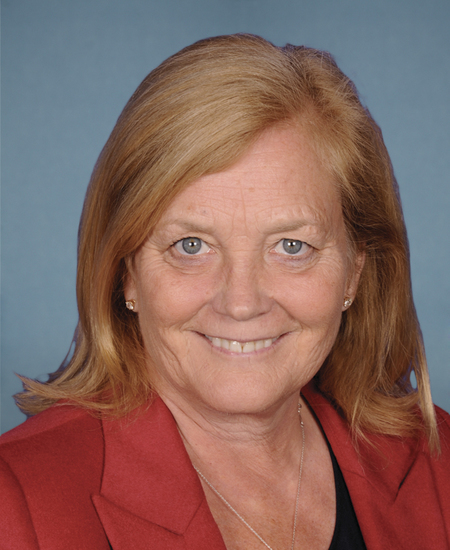
Chellie Pingree
62% support rate
Top opponent
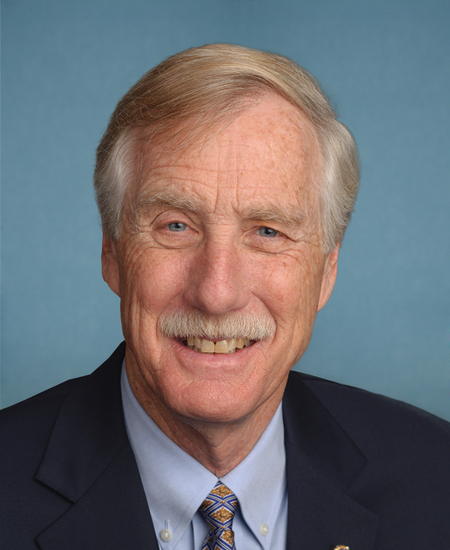
Angus S. King, Jr.
16% support rate
Ranked legislators
4
1 support · 3 oppose
Key legislators

Who's moving criminal justice in Maine

Legislators moving criminal justice in Maine
Legislator Party Stance Support rate Votes
Chellie Pingree
Chellie Pingree House · District 1
D
Support
62% 150
Angus S. King, Jr.
Angus S. King, Jr. Senate
I
Strong −
16% 170
Jared F. Golden
Jared F. Golden House · District 2
D
Oppose
33% 154
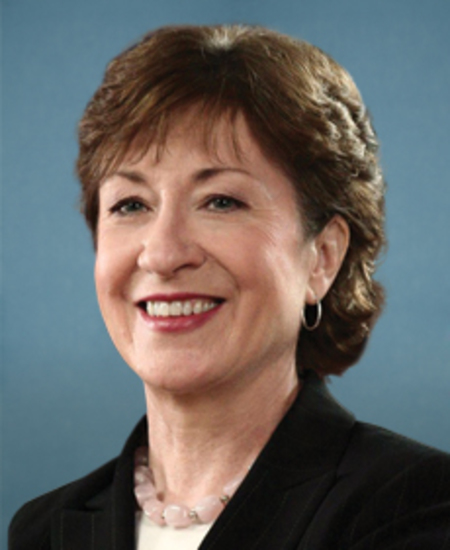
Susan M. Collins
Susan M. Collins Senate
R
Oppose
39% 171
Showing 1–10 of 76 bills

All criminal justice bills

in committee · United States · Senate Jul 30, 2026

SRES 819: A resolution condemning the Government of the Islamic Republic of Iran for its ongoing human rights abuses, including its use of politically motivated espionage claims to justify arbitrary detention and executions.

This Senate resolution condemns the Government of Iran for ongoing human rights abuses, specifically targeting its use of politically motivated espionage claims to justify arbitrary detention and executions. The bill outlines several key provisions, including calls to halt executions based on unsupported security charges and demands for detainees to receive due process and access to independent legal counsel. It also urges the release of individuals imprisoned for peacefully exercising freedoms of expression and religion while supporting the Iranian people's pursuit of democracy. Additionally, the resolution affirms U.S. efforts to hold Iranian officials accountable through sanctions and international investigations for their actions.
in committee · United States · House Jul 22, 2026

HR 9845: Public Safety Officers’ Benefits Enhancement Act of 2026

The Public Safety Officers' Benefits Enhancement Act of 2026 modifies how public safety officers can claim federal benefits related to line-of-duty injuries. It simplifies the claims process by removing a requirement that injuries must be caused by factors other than pre-existing cardiovascular risks and extends the time limit for reporting certain incidents from 24 to 72 hours. These changes apply to any benefit claims that are pending or filed after the law is enacted. The bill directly affects public safety officers seeking compensation for work-related injuries.
Tags Public Safety
in committee · United States · House Jul 21, 2026

HR 9815: Federal Bureau of Prisons Voting Assistance Act of 2026

This bill requires the Federal Bureau of Prisons to send voting information to inmates who are eligible to vote in their home states before any federal, state, or local election. The Director of the Bureau must provide these inmates with details on how to register and request absentee ballots, while facility coordinators receive specific state criteria, registration forms, and prepaid envelopes. The law also mandates that this information be posted physically in correctional facilities, published on the Bureau's website, and offered in both English and Spanish where applicable. Additionally, the bill ensures that inmates with recognized disabilities receive the necessary support to complete voter registration.
Tags Elections
in committee · United States · House Jul 14, 2026

HR 9688: High Court Gift Ban Act

The High Court Gift Ban Act prohibits federal judicial officers from accepting gifts from sources likely to appear before them, unless the gift is under $50, the total annual value from that source remains $100 or less, or it falls under specific exceptions like gifts from relatives or public events. The law defines a "gift" broadly to include items, services, and reimbursements, while allowing exceptions for personal hospitality within IRS limits and certain professional benefits available to the general public. Enforcement mechanisms include referrals to the Attorney General for violations, which can result in civil or criminal penalties similar to those for other federal ethics breaches. The bill requires the Supreme Court and the Judicial Conference to create implementing regulations within 180 days of enactment to ensure compliance.
Sub-Topics Courts
in committee · United States · Senate May 19, 2026

S 4576: Jewish American Security Act

The Jewish American Security Act aims to combat antisemitism by strengthening protections for Jewish students, securing Jewish communities, and increasing transparency regarding online hate speech. To support Jewish students, the bill requires schools receiving federal funds to designate coordinators for civil rights complaints, issue annual reminders about anti-discrimination policies, and publish detailed data on bias-related incidents. For community safety, the legislation increases funding for security grants for religious institutions and mandates joint annual threat assessments from federal agencies to track domestic and transnational antisemitic violence. Additionally, the act requires major online platforms to submit regular transparency reports detailing how they detect, remove, and moderate antisemitic content on their sites.
Sub-Topics Civil Rights
in committee · United States · House May 13, 2026

HR 8798: Universal School Meals Program Act of 2026

The Universal School Meals Program Act of 2026 mandates that all public schools provide free breakfast and lunch to every enrolled student, regardless of income. It establishes specific funding rates for these meals, adjusts payments based on the use of locally sourced food, and eliminates the ability of schools to collect debt for unpaid charges. Additionally, the bill expands free meal access to summer programs, afterschool care, and incarcerated juveniles while updating poverty measurement standards across various federal education and nutrition laws.
Sub-Topics Student Health
in committee · United States · House May 4, 2026

HRES 1257: Expressing support for the designation of May 5, 2026, as the "National Day of Awareness for Missing and Murdered Indigenous Women and Girls".

This resolution expresses support for designating May 5, 2026, as the National Day of Awareness for Missing and Murdered Indigenous Women and Girls. It calls on the public and organizations to honor the victims and show solidarity with their families. The bill also recommends that the Department of Justice commission a new study to gather updated statistics on the crisis, noting that previous data is nearly a decade old.
Tags Tribal Nations
in committee · United States · Senate Mar 23, 2026

S 4162: Get Justice-Involved Veterans BACK HOME Act

This bill establishes a pilot program to provide mental health care to incarcerated veterans, prioritizing those with service-connected disabilities related to PTSD, traumatic brain injury, or military sexual trauma. The program would offer telemental health services, mobile mental health units, or other appropriate care at no cost to veterans, with care delivered exclusively by Department of Veterans Affairs health care providers. Additionally, the bill requires the Bureau of Prisons to establish dedicated housing units for veterans in federal correctional facilities where feasible, along with specialized training for correctional staff and veteran-focused rehabilitation programs. The legislation also mandates automatic resumption of disability compensation payments upon a veteran's release from incarceration and requires annual reports on incarcerated veterans to Congress.
in committee · United States · Senate Mar 9, 2026

S 4029: A bill to reinforce the Foreign Corrupt Practices Act of 1977 by establishing a limitations period of 10 years for antibribery offenses, and for other purposes.

This bill would extend the time limit for prosecuting foreign bribery offenses under the Foreign Corrupt Practices Act from the current standard to 10 years. It directly affects individuals and companies accused of bribing foreign officials by giving prosecutors more time to build cases. The law would apply to all such offenses committed after the bill's enactment, except those occurring within five years before the law takes effect. The provision includes a sunset clause, meaning it would expire eight years after being enacted.
in committee · United States · Senate Mar 2, 2026

S 3959: Smarter Sentencing Act of 2026

The Smarter Sentencing Act of 2026 reduces mandatory minimum prison sentences for certain federal drug offenses involving couriers who only transport or store drugs or money. Under the bill, couriers face reduced minimum sentences of 5 years instead of 10 years for major drug offenses, and 2 years instead of 5 years for lesser offenses, while maintaining longer sentences for repeat offenders or those with serious prior convictions. The law applies to cases sentenced after enactment and allows courts to reduce sentences for past cases upon motion. The bill also directs the Sentencing Commission to update sentencing guidelines within 120 days and requires the Attorney General to report on how cost savings from reduced sentences will be used to address prison overcrowding and improve law enforcement spending.
Showing 1 to 10 of 76 bills
1 2 3 8 Next