Issue · Immigration

Immigration

Every immigration bill, vote, and legislator stance in Louisiana, automatically classified by Maddy, our AI policy reader.

Total bills
54
119th Congress
Top supporter
Cleo Fields
81% support rate
Top opponent
Steve Scalise
19% support rate
Ranked legislators
8
3 support · 5 oppose
Key legislators

Who's moving immigration in Louisiana

Legislators moving immigration in Louisiana
Legislator Party Stance Support rate Votes
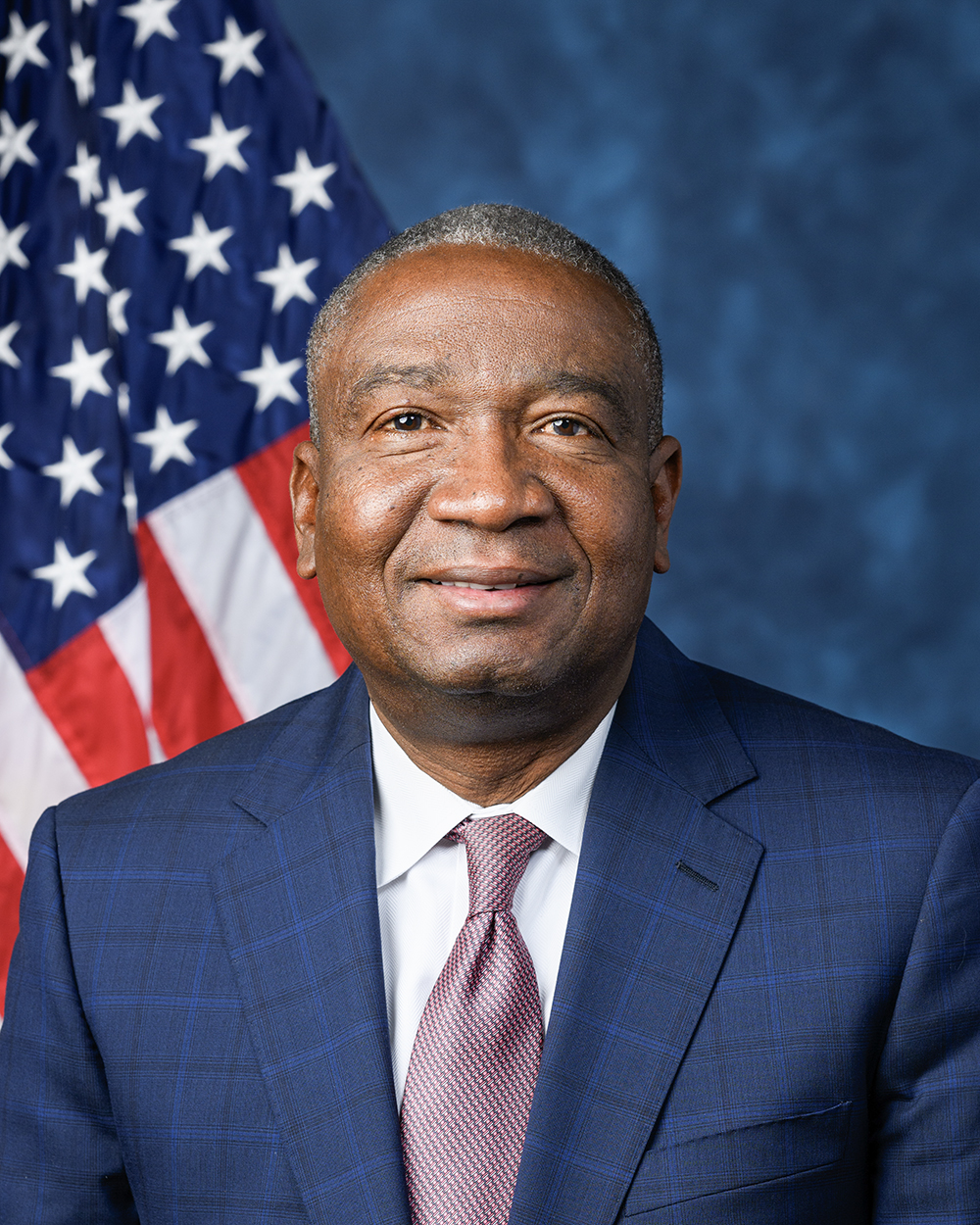
Cleo Fields
Cleo Fields House · District 6
D
Strong +
81% 146
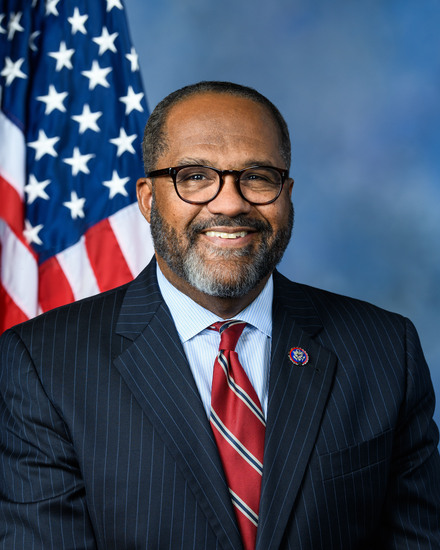
Troy A. Carter
Troy A. Carter House · District 2
D
Strong +
81% 148
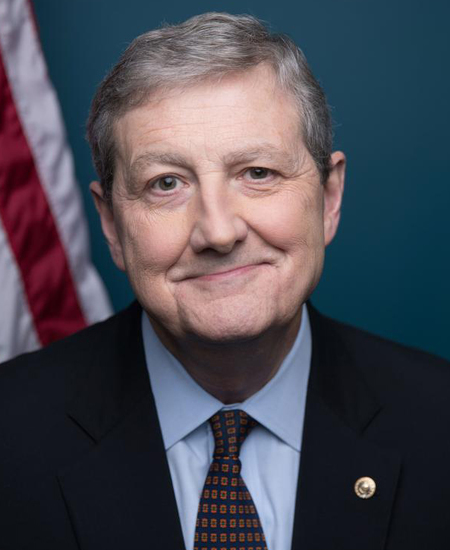
John Kennedy
John Kennedy Senate
R
Support
70% 179
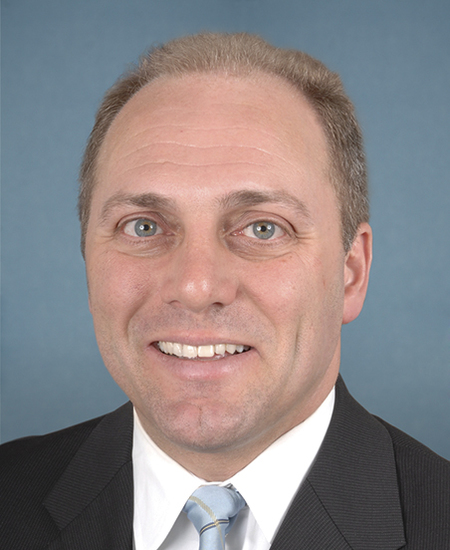
Steve Scalise
Steve Scalise House · District 1
R
Strong −
19% 147
Clay Higgins
Clay Higgins House · District 3
R
Strong −
19% 148
Julia Letlow
Julia Letlow House · District 5
R
Strong −
19% 142
Mike Johnson
Mike Johnson House · District 4
R
Oppose
21% 140
Bill Cassidy
Bill Cassidy Senate
R
Mixed −
49% 177
Showing 1–10 of 54 bills

All immigration bills

in committee · United States · Senate Jul 16, 2026

S 5023: Ban Birth Tourism Act of 2026

The Ban Birth Tourism Act of 2026 prohibits individuals from entering the United States if their main reason for travel is to have a child born there to gain U.S. citizenship. This law makes such travelers inadmissible upon arrival and subject to deportation if they are found to have entered the country specifically for this purpose. Officials determine whether someone is engaging in birth tourism by assessing if the person's primary goal is obtaining citizenship for a child or if they are likely to give birth within ten months of entry. The bill directly affects foreign nationals planning to visit the U.S. with the intent of using their child's birthplace to secure citizenship status.
in committee · United States · House Jul 7, 2026

HR 9199: Permanent Trump Secure Border Act

This bill, titled the Permanent Trump Secure Border Act, aims to strengthen border security and reform immigration enforcement by directing the Department of Homeland Security to resume and complete the construction of a physical border wall, expand the use of surveillance technology, and increase staffing levels for Border Patrol agents. It also imposes stricter rules on asylum eligibility and employment authorization for applicants, mandates the reopening of specific immigration detention facilities, and requires the return of individuals arriving from contiguous foreign countries to those nations while their claims are processed. Additionally, the legislation expands penalties for visa overstays, limits the use of certain digital tools like the CBP One app, and includes provisions to reduce funding for organizations that facilitate illegal entry or provide services to inadmissible aliens.
in committee · United States · House Mar 5, 2026

HR 7842: Alien Banking Act

This bill, titled the Alien Banking Act, requires individuals opening bank accounts in the United States to attest, under penalty of perjury, to their lawful immigration status. Financial institutions would be prohibited from opening or maintaining accounts for individuals who do not provide this attestation or are determined to be unlawfully present. The bill establishes significant civil and criminal penalties, including fines, imprisonment, and asset forfeiture, for individuals who knowingly make a false attestation regarding their immigration status. It also mandates that financial institutions report any suspected false attestations to federal authorities.
Sub-Topics Detention Enforcement
in committee · United States · House Feb 25, 2026

HR 7703: Stop Illegal Alien Cops Act

The Stop Illegal Alien Cops Act amends federal law to modify exemptions for government entities regarding firearms. Currently, federal, state, and local government agencies are generally exempt from many federal prohibitions when acquiring or supplying firearms for official use. This bill would remove that exemption for specific prohibitions, making it unlawful for government entities to provide firearms to or employ individuals who are unlawfully in the United States. Additionally, the bill removes the
in committee · United States · House Apr 6, 2026

HR 8206: Homeland Security and Further Additional Continuing Appropriations Act, 2026

This bill, titled the Homeland Security and Further Additional Continuing Appropriations Act, 2026, provides funding for the Department of Homeland Security and extends certain continuing appropriations for fiscal year 2026. It allocates money for various DHS components including border security, immigration enforcement, cybersecurity, disaster relief, and law enforcement training. The bill also includes the SAVE America Act, which requires states to verify voter citizenship through documentary proof and mandates photo identification for voting in federal elections. Additionally, it establishes reporting requirements for DHS budgeting and oversight, and prohibits certain border crossing fees.
in committee · United States · Senate Jan 9, 2025

S 52: End Child Trafficking Now Act

End Child Trafficking Now Act This bill imposes restrictions related to adult non-U.S. nationals ( aliens under federal law) being admitted into the United States with a minor. Such an adult may not be admitted with a minor unless the adult (1) presents documents and witness testimony proving that the adult is a relative or guardian of the minor, or (2) submits to a DNA test that proves such a relationship. The Department of Homeland Security may request a DNA test only if the required relationship cannot be established by the presented documents and witness testimony. An adult who does not consent to a requested DNA test shall be inadmissible. If the required relationship cannot be established and the immigration officer believes the adult is guilty of a felony offense, the officer may arrest the adult. The bill makes it a crime for an adult to knowingly use a minor to whom the adult is not a relative or guardian to enter the United States.
Sub-Topics Human Trafficking
in committee · United States · House May 24, 2025

HR 3608: Connor’s Law

HR 3608, "Connor’s Law," requires commercial motor vehicle operators (like truck and bus drivers) to read and speak English well enough to converse with the public, understand English traffic signs, respond to officials, and complete reports. The bill adds this language requirement to existing federal safety rules for commercial drivers. Drivers found noncompliant with this rule would face an "out of service" order, meaning they cannot operate their vehicle until they meet the requirement. This directly affects commercial drivers operating in the U.S. under federal safety regulations.
in committee · United States · House Mar 19, 2026

HJRES 152: Proposing an amendment to the Constitution of the United States to ensure that only citizens are eligible to vote in Federal elections.

This bill proposes adding a new article to the U.S. Constitution to explicitly state that only citizens can vote in federal elections. The amendment would apply to all federal elections, including those for President, Vice President, Senators, and Representatives. It gives state legislatures the authority to create enforcement rules while reserving the power for Congress to make or alter regulations and enforce the rule in Washington, D.C. The measure would require ratification by conventions in three-fourths of the states before becoming part of the Constitution.
in committee · United States · Senate Mar 31, 2025

S 1206: Judicial Relief Clarification Act of 2025

This bill prevents U.S. federal courts from issuing orders (such as injunctions, stays, or declarations) that stop enforcement of laws against people or entities not directly involved in a lawsuit (non-parties). It requires that such orders only apply if a non-party is represented through a party acting under standard legal rules. The law applies to all federal courts, including those in U.S. territories, and modifies related procedures for temporary restraining orders and declaratory judgments to enforce this restriction. Its core change limits court authority to affect non-parties regarding statutes, regulations, or government actions.
died · United States · Senate Dec 11, 2025

S 3386: Health Care Freedom for Patients Act of 2025

Health Care Freedom for Patients Act of 2025 This bill allows certain individuals with health savings accounts (HSAs) to receive federal payments. It also restricts payments under Medicaid and the Children's Health Insurance Program (CHIP) regarding certain noncitizens and restricts coverage of gender-transition procedures. Specifically, the bill provides funds for the Department of Health and Human Services to deposit payments into an individual’s HSA during 2026-2027 if the individual has a bronze or catastrophic plan through a health insurance exchange, is between the ages of 18 and 64, and has income up to 700% of the federal poverty level (FPL). Individuals may receive $1,000 or $1,500 annually, depending on age.  The bill also provides funds, beginning in 2027, for cost-sharing reductions for certain individuals who have a silver plan and income up to 250% of the FPL. Beginning in 2027, the bill allows any individual to enroll in a catastrophic plan. Currently, these plans are limited to those under the age of 30 or who have certain exemptions. The bill also reduces the enhanced federal matching rate for the Medicaid expansion population in states that provide any health benefits for individuals who are not qualified aliens under federal law. The bill makes Medicaid and CHIP coverage of individuals while their status is being verified optional and conditions federal payment during this period on verification.  Finally, the bill prohibits exchange plans from covering gender-transition procedures as an essential health benefit and prohibits federal payment under Medicaid and CHIP for these procedures.
Showing 1 to 10 of 54 bills
1 2 3 6 Next