Issue · Healthcare

Healthcare

Every healthcare bill, vote, and legislator stance in Louisiana, automatically classified by Maddy, our AI policy reader.

Total bills
41
119th Congress
Top supporter
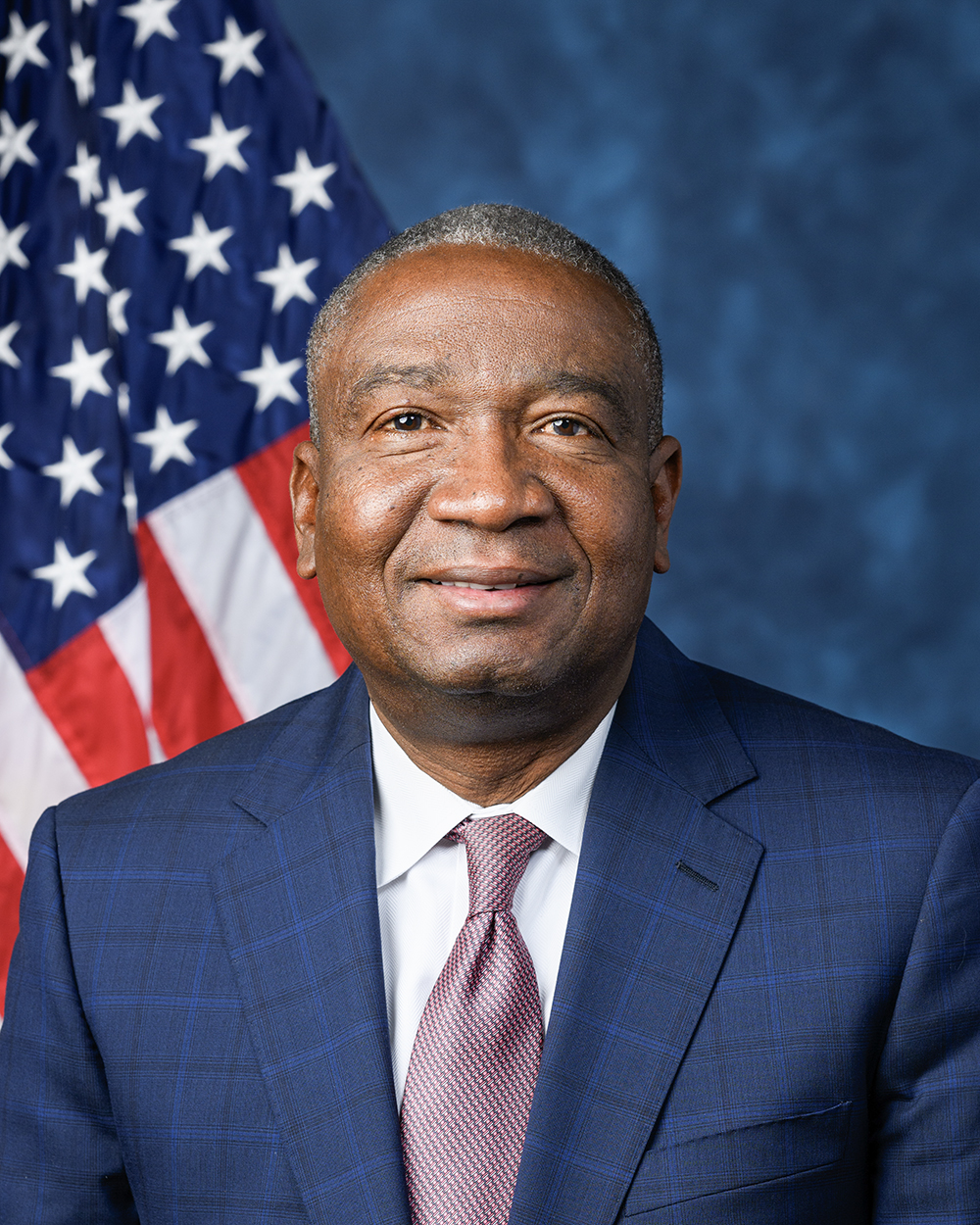
Cleo Fields
56% support rate
Top opponent
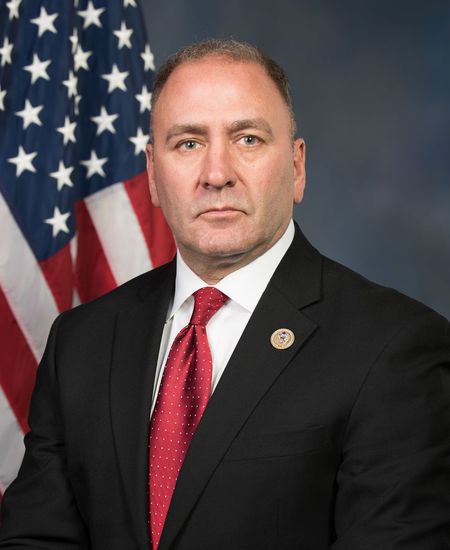
Clay Higgins
33% support rate
Ranked legislators
7
2 support · 5 oppose
Key legislators

Who's moving healthcare in Louisiana

Legislators moving healthcare in Louisiana
Legislator Party Stance Support rate Decisive votes
Cleo Fields
Cleo Fields House · District 6
D
Mixed
56% 16
Troy A. Carter
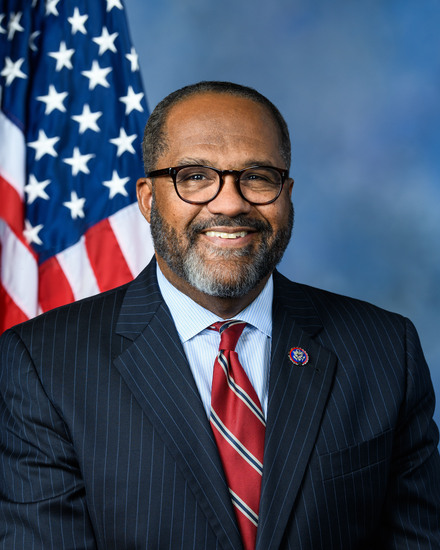
Troy A. Carter House · District 2
D
Mixed
56% 18
Clay Higgins
Clay Higgins House · District 3
R
Oppose
33% 18
Julia Letlow
Julia Letlow House · District 5
R
Oppose
35% 17
Steve Scalise
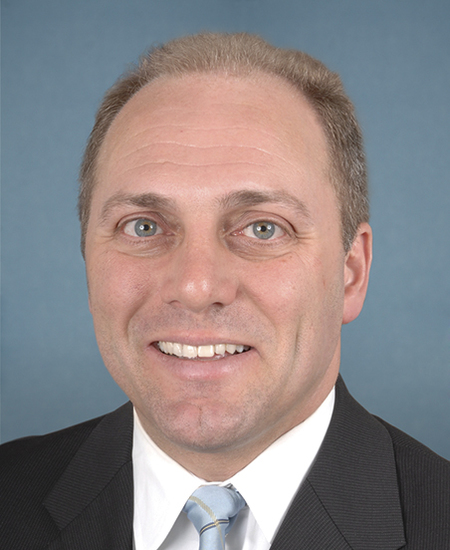
Steve Scalise House · District 1
R
Oppose
35% 17
Mike Johnson
Mike Johnson House · District 4
R
Oppose
38% 16
John Kennedy
John Kennedy Senate
R
Oppose
40% 20
Showing 1–10 of 41 bills

All healthcare bills

in committee · United States · Senate Aug 5, 2026

S 5269: Pay PCPs Act of 2026

The Pay PCPs Act of 2026 authorizes the Secretary of Health and Human Services to implement a hybrid payment model for Medicare primary care providers, combining predictable monthly payments with traditional fee-for-service reimbursements. This new structure aims to fund activities that are currently difficult to bill individually, such as patient communications and team-based care coordination, while allowing providers to opt into the program voluntarily. Additionally, the bill reduces beneficiary out-of-pocket costs by 50% for covered primary care services when patients designate a specific provider as their usual source of care. To support these changes, the legislation appropriates $10 billion over five years and establishes a temporary technical advisory committee to review and improve how Medicare values physician services.
Sub-Topics Medicare Primary Care
in committee · United States · House Jun 24, 2026

HRES 1382: Celebrating the historic anniversary of the June 24, 2022, decision of the Supreme Court of the United States in Dobbs v. Jackson Women's Health Organization.

This resolution commemorates the fourth anniversary of the 2022 Supreme Court decision in Dobbs v. Jackson Women's Health Organization, which removed the federal constitutional right to abortion. The text expresses support for state authority to regulate abortion and acknowledges the work of pregnancy centers that provide care to women and families. It also recognizes the belief that unborn life possesses inherent rights and calls for the protection of that life. As a symbolic measure, the bill does not change any laws or policies but serves to formally celebrate the anniversary and state the House's position on the issue.
Sub-Topics Women's Health
in committee · United States · Senate Apr 16, 2026

S 4329: Title X Abortion Provider Prohibition Act

This bill amends the Title X family planning program to prohibit the use of federal funds for entities that perform or financially support abortions. It allows exceptions for cases involving rape, incest, or life-threatening medical conditions, while also permitting hospitals to receive funding as long as they do not give those funds to non-hospital abortion providers. To enforce these rules, the bill requires the Secretary of Health and Human Services to submit annual reports detailing which organizations receive grants and the specific number of abortions performed under the medical and criminal exceptions.
in committee · United States · Senate Jan 15, 2026

S 3667: Life at Conception Act of 2026

This bill declares that the constitutional right to life applies to all human beings from the moment of conception, including fertilization. It states that Congress intends to implement this right under its powers in Article I and the 14th Amendment. The bill explicitly clarifies it does not require prosecuting women for pregnancy outcomes, ban in vitro fertilization, or restrict birth control methods. It defines "human person" to include individuals at all life stages starting at conception.
in committee · United States · Senate Mar 26, 2025

S 1147: Defining Male and Female Act of 2025

This bill defines biological sex for federal law by amending Title 1 of the U.S. Code. It specifies that "female" means a person biologically characterized by egg-producing systems at conception, "male" means sperm-producing systems at conception, and "gender identity" is not recognized as replacing biological sex in federal contexts. The law directly affects all federal agencies, departments, and laws requiring interpretation of terms like "sex," "female," or "male" by mandating these biological definitions. It does not create new programs or funding but changes how federal agencies must interpret existing laws and regulations.
in committee · United States · Senate Jan 24, 2025

S 250: Protecting Life in Foreign Assistance Act

Protecting Life in Foreign Assistance Act This bill prohibits the provision of funding for purposes outside the United States to certain foreign or domestic organizations that perform or promote abortions, furnish or develop items intended to procure abortions, or provide financial support for an entity that conducts such activities.
in committee · United States · House Jan 3, 2025

HR 54: WHO Withdrawal Act

HR 54, the WHO Withdrawal Act, directs the U.S. President to withdraw the United States from the World Health Organization (WHO) Constitution upon enactment and prohibits all federal funding for U.S. participation in the WHO or any successor organization. The bill repeals the 1948 law that established U.S. membership and funding for WHO participation. This legislation directly affects all federal departments and agencies that handle international health funding and diplomatic engagement, ending U.S. financial and legal ties to the WHO.
in committee · United States · House Jun 10, 2025

HR 589: FACE Act Repeal Act of 2025

HR 589, the FACE Act Repeal Act of 2025, would repeal a federal law (Section 248 of Title 18, U.S. Code) that prohibited obstructing access to reproductive health care facilities through physical means, intimidation, or violence. This repeal would eliminate the federal criminal penalty for such conduct, meaning federal prosecutors could no longer charge individuals under this specific law. The bill applies to all pending or future federal prosecutions related to these actions. It does not affect state laws that may still regulate access to reproductive health care facilities.
Sub-Topics Women's Health
in committee · United States · House Jan 6, 2025

HR 215: Adoption Information Act

HR 215, the Adoption Information Act, requires family planning services funded under Title V of the Social Security Act to provide pamphlets containing regional adoption center contact information to patients inquiring about medical or abortion services. Specifically, medical professionals must offer a pamphlet listing all adoption centers in the region with their addresses and phone numbers at the time of inquiry, and ensure patients have the opportunity to read it. The Secretary of Health and Human Services must annually update and distribute these pamphlets to all qualifying family planning programs. This provision uses existing Title V funding, with no new funds required for implementation.
Sub-Topics Women's Health
in committee · United States · House Jan 3, 2025

HR 79: Freedom from Mandates Act

Freedom from Mandates Act This bill nullifies certain executive orders regarding COVID-19 safety and prohibits the Departments of Labor and Health and Human Services (HHS) from taking specified actions with respect to vaccination against COVID-19. Specifically, the bill nullifies Executive Order 14042 (relating to ensuring adequate COVID-19 safety protocols for federal contractors) and Executive Order 14043 (requiring COVID-19 vaccination for federal employees). Labor may not issue any rule requiring employers to mandate vaccination of employees against COVID-19 or requiring testing of employees who are unvaccinated. HHS may not (1) require a health care provider, as a condition of participation in the Medicare or Medicaid program, to mandate vaccination of employees against COVID-19 or require testing of employees who are unvaccinated; or (2) otherwise penalize such a provider for failure to mandate such vaccination or require such testing.
Showing 1 to 10 of 41 bills
1 2 3 … 5 Next