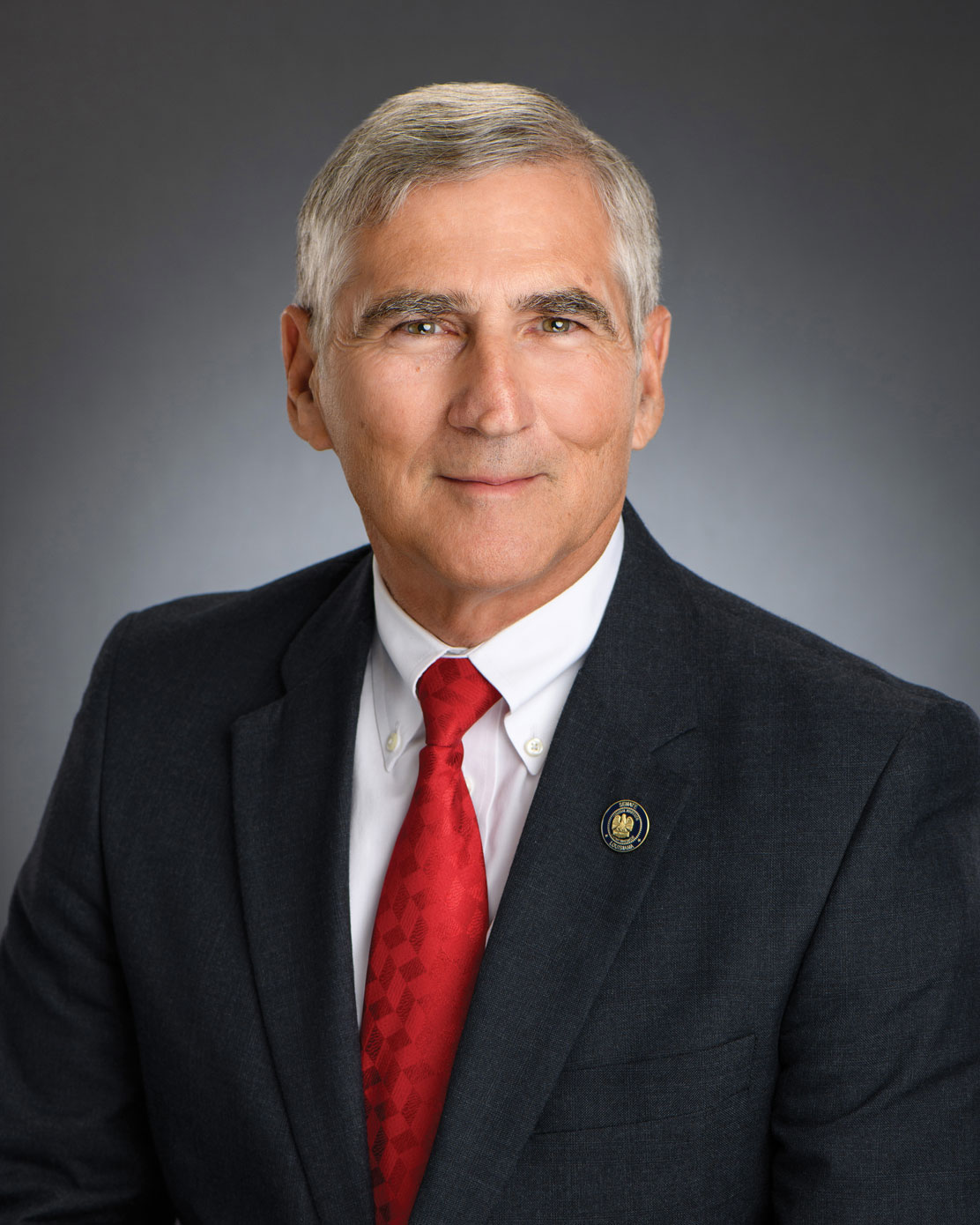
SB 92 requires Louisiana district attorney offices to submit information about sexual assault collection kits to a statewide tracking system by July 1, 2024. This mandate applies to all relevant entities, including law enforcement and healthcare providers handling these kits, to ensure consistent tracking of evidence. The law also requires the state police to report on implementation progress, including phased rollout plans, to legislative committees and the governor by January 1, 2024. The system aims to improve transparency and coordination in handling sexual assault cases, with the bill taking effect August 1, 2026.
SB 34, "Bryan's Call," establishes clear rules for missing child alerts in Louisiana. It requires AMBER Alerts for children 17 or younger in immediate danger of serious harm or death, and Level II alerts for other missing children cases that don’t meet AMBER criteria. Local police must assess alert types, but state police make the final decision and provide required training for law enforcement on using these systems. The law also grants legal immunity to broadcasters, cable operators, and law enforcement for actions related to Level II alerts.
SB 199 imposes mandatory minimum prison sentences for second and subsequent offenses related to prostitution in Louisiana. For a second conviction of purchasing commercial sexual activity, offenders face at least six months in prison (with no parole eligibility for that period), plus fines of $1,500-$2,000. Similarly, second or subsequent solicitation offenses require a minimum six-month prison term (with no parole eligibility) and the same fines. The bill directly affects individuals convicted of these specific repeat offenses, with half of collected fines directed to a state fund under R.S. 15:539.4.
SB 255 requires Medicaid-funded behavioral health providers in Louisiana to ensure staff delivering psychosocial rehabilitation (PSR) services hold at least a bachelor's degree in specific fields like counseling, social work, or psychology. This affects all licensed providers seeking Medicaid reimbursement for PSR services. The bill mandates these educational qualifications as a condition for continued reimbursement, updating existing Medicaid eligibility rules. The measure is pending legislative review and would not take effect until enacted.
SB 306 creates a new criminal offense in Louisiana for obstructing freedom of worship at churches or other places of worship. It prohibits specific actions including using force to intimidate attendees, damaging church property, blocking lawful access to the building, or engaging in disruptive activities during scheduled worship services. Violations carry fines up to $25,000 and imprisonment up to 18 months for repeat offenses, with enhanced penalties if bodily injury occurs. The law directly affects individuals who interfere with religious gatherings on private religious property, aiming to protect the orderly conduct of worship as defined by the bill.
HB 635 creates new Louisiana laws to protect residents from foreign agents who attempt to control their behavior using foreign laws or threats. It defines "agents of foreign adversaries" (like government-linked entities) and "transnational repression" (such as coercion or retaliation for exercising free speech, religion, or assembly rights). The bill makes it a crime for these agents to coerce people into actions violating constitutional rights or retaliate for such actions, imposing enhanced penalties on top of the underlying offense. It also declares that courts cannot enforce foreign law decisions that deny constitutional rights protected under U.S. or Louisiana law.
HB 322 prohibits Louisiana state agencies from charging fees or costs to victims, spouses of victims, next of kin of deceased victims, or legal guardians who request copies of testimony from private hearings of the Board of Pardons and parole committee. The bill specifically amends state law to remove financial barriers for these individuals seeking testimony records related to parole or pardon proceedings. It does not affect other requesters or prevent law enforcement from sharing information as required by law. The policy change directly impacts those with direct connections to cases reviewed by these boards.
HB 568 increases penalties for drug offenses near schools in Louisiana. It directly affects individuals who sell, use, or vape drugs on school property, within 2,000 feet of school grounds, or on school buses. Key provisions include doubling fines, adding mandatory prison time (up to 1 year) without parole or probation for certain violations, and requiring fines up to $1,000. The bill modifies existing drug laws to strengthen enforcement in school zones.
HB 58 restricts bail for certain convicted individuals in Louisiana. It prohibits bail after conviction for capital offenses (like murder) and for specific violent sex crimes against minors (defined as offenses requiring registration under state law). The bill creates a strong legal presumption against releasing these offenders, meaning courts cannot grant bail unless they prove the person poses no danger to others or risk of fleeing. This directly affects people convicted of these serious crimes who would otherwise seek bail before sentencing or final judgment.
This bill proposes to update Louisiana's laws regarding reckless operation of a vehicle by clarifying what behaviors constitute the offense. It directly affects drivers and operators of motor vehicles, aircraft, vessels, and other conveyances by defining specific actions as reckless. The key provision expands the definition to include operating any vehicle in a criminally negligent or reckless manner, as well as driving a motor vehicle at or above 100 miles per hour. These changes aim to provide clearer legal standards for prosecutors and courts when handling cases involving dangerous vehicle operation. The bill would apply to anyone operating a vehicle in violation of these new or clarified standards.