

Maddy summaryHR 3482, the Veterans Community Care Scheduling Improvement Act, requires the VA to replace its current process for scheduling community care appointments with a new IT system. The bill mandates that VA schedulers use this system to book appointments for veterans at non-VA providers participating in the Veterans Community Care Program, allowing them to view, search, and schedule appointments by care type, location, and date. Non-VA providers must be encouraged to join the program through VA outreach, including a public website with participation details. The new system must be implemented within 90 days for regulations and one year for full operation, with reporting requirements to Congress. This change directly affects veterans seeking community care and non-VA providers participating in the program.
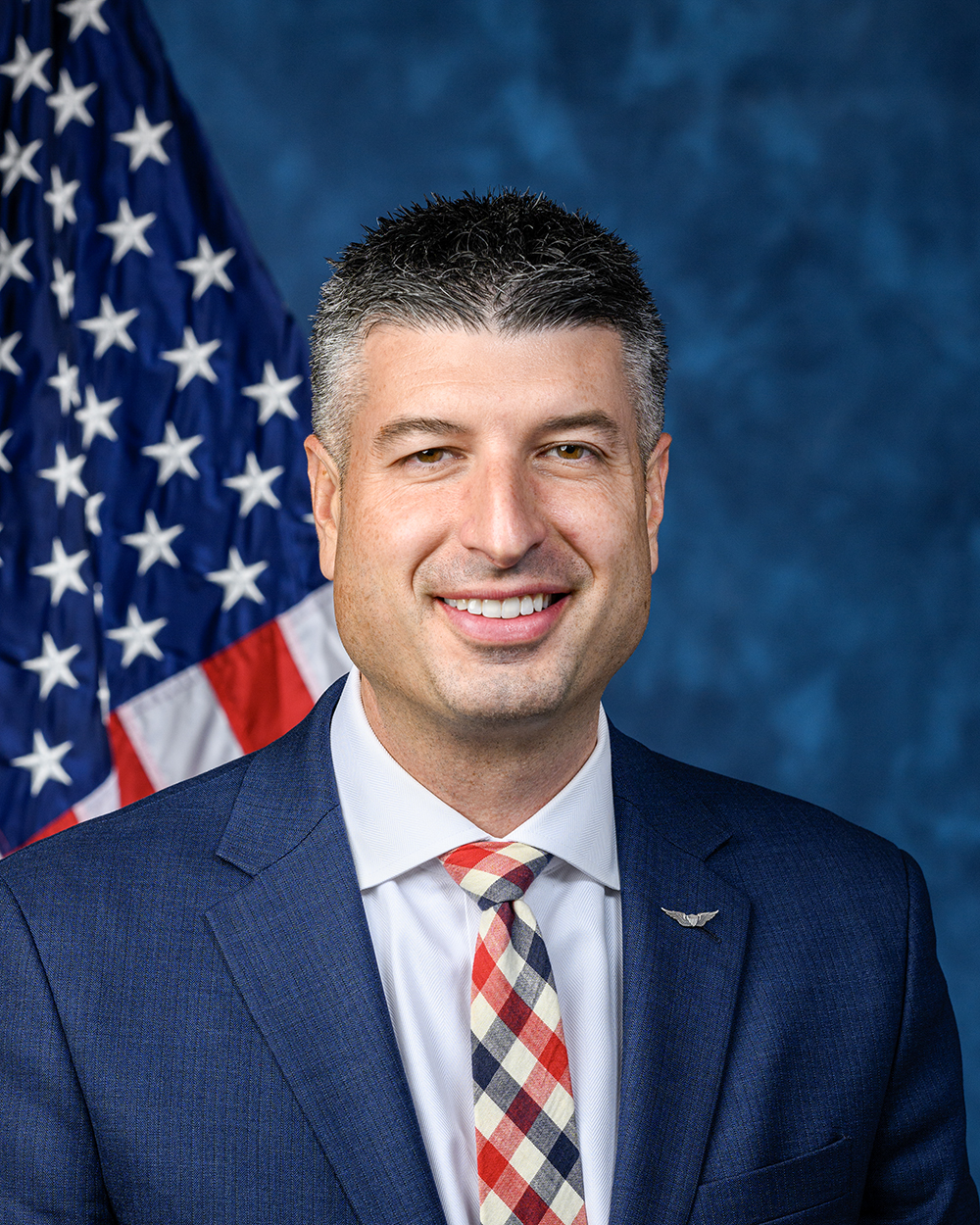
Rep. Tom Barrett
Sponsored bills
Maddy summaryThe Veterans’ Transition to Trucking Act of 2025 amends the GI Bill to allow the Secretary of Veterans Affairs to approve multi-state trucking apprenticeship programs for veterans using their educational benefits. This directly affects veterans seeking to transition into trucking careers and apprenticeship programs operating across multiple states. The key mechanism changes the law so the Secretary can act as a "State approving agency" for these programs, eliminating the need for separate state approvals. This streamlines access to trucking training without requiring veterans to navigate individual state requirements.
Maddy summaryThis bill, known as the Preventing Foreign Interference in American Elections Act, tightens existing rules to stop foreign entities from funding U.S. election activities. It explicitly bans foreign donations used for voter registration, ballot collection, voter ID efforts, get-out-the-vote campaigns, communications targeting specific political parties, and the administration of elections. The legislation also prohibits anyone from knowingly helping a foreign entity violate these donation bans and expands the definition of a contribution to include indirect payments made through intermediaries. To enforce these rules, the bill requires political committees and independent spenders to certify under penalty of perjury that their activities comply with the new restrictions, while limiting the scope of investigations by the Federal Election Commission. Additionally, the act protects the privacy of donors to tax-exempt organizations by restricting federal agencies from collecting or releasing donor identification information, with specific exceptions for the IRS, the Senate and House leadership, the FEC, and court orders.
Maddy summaryThe Supporting Newborn Parents Act of 2026 creates a new tax credit of $2,000 for each child born to a taxpayer during the tax year. To receive this credit, parents must have earned income, with the maximum amount limited to 20% of their earnings, and the benefit phases out as family income rises. The bill allows parents to request an advance payment of the credit shortly after a child's birth by providing their information when applying for a Social Security number. Additionally, the legislation requires the Treasury to establish an online portal to help parents understand how to make elections regarding advance payments and estimated income figures.
This resolution expresses support for police officers and other law enforcement personnel. The resolution further recognizes law enforcement officers across the United States in the pursuit of preserving safe and secure communities; the need to ensure that such officers have the equipment, training, and resources necessary to protect their health and safety while they are protecting the public; and the law enforcement community for acts of sacrifice and heroism. The resolution expresses condolences and appreciation to the loved ones of each law enforcement officer who has made the ultimate sacrifice in the line of duty.
Maddy summaryThis bill would amend federal law to strengthen penalties for organized retail crime by expanding definitions of theft to include digital goods, gift cards, and setting a $5,000 aggregate value threshold for charges over a 12-month period. It would establish a new "Organized Retail and Supply Chain Crime Coordination Center" under Homeland Security to coordinate Federal, State, local, and Tribal law enforcement efforts against cross-jurisdictional theft groups. The Center would share information with retailers, transportation companies, and law enforcement agencies, track crime trends, and produce annual reports on organized retail crime. This legislation directly affects retailers, supply chain businesses, and law enforcement agencies, while targeting organized crime groups responsible for a 93% increase in larceny incidents and rising safety concerns for retail employees. The bill aims to address significant financial losses and supply chain disruptions noted in the National Retail Federation's 2023 data.
Maddy summaryThe Connected Vehicle Security Act of 2026 restricts the importation, sale, and manufacture of vehicles and related technology from specific countries, including China, Russia, Iran, and North Korea, to address national security concerns. The law defines prohibited items as connected vehicles, their software, and hardware components and sets different effective dates, with vehicle bans starting in 2027 and hardware restrictions beginning in 2030. A government official can grant exceptions for specific items after reviewing security risks and notifying Congress, while the agency must publish annual reports on enforcement actions and compliance.
Maddy summaryThis joint resolution authorizes the President to use U.S. military forces against Iran to dismantle its nuclear program, address immediate threats, enforce a port blockade, and ensure safe passage for ships through the Strait of Hormuz. The legislation explicitly prohibits the deployment of ground troops for sustained combat, occupation, or nation-building within Iranian territory while allowing exceptions for rescuing citizens and conducting intelligence operations. To maintain oversight, the bill requires the President to submit unclassified reports to Congress every 30 days detailing military actions, legal justifications, and casualty assessments. The authorization is set to expire on July 30, 2026, with a limited 30-day extension permitted solely for winding down ongoing military engagements.
Maddy summaryThis bill exempts stinger-steered combinations transporting assembled highway vehicles from the requirement to display warning flags on projecting loads. It directly affects trucking companies that use this specific type of vehicle for moving vehicles like cars or buses. The legislation requires the Secretary of Transportation to update the relevant federal regulations to include this exemption without going through a formal public comment process.
Maddy summaryThe VA Home Loan Affordability Act updates the Department of Veterans Affairs' home loan program to make it easier and more affordable for veterans to buy or refinance homes. Key changes include removing the requirement for third-party verification of lender fees, allowing refinancing without an appraisal in certain cases, and lowering the minimum interest rate cap for adjustable-rate mortgages from 200 to 75 basis points. The bill also expands loan guarantees for condominiums, caps closing costs and seller fees at 1.5% and 6% of the loan amount respectively, and mandates regular reviews of debt-to-income ratios. Additionally, it requires appraisers to hold state licenses, directs the VA to update property suitability regulations, and sets a deadline for submitting a plan to modernize the agency's loan administration technology.