

Issue · Immigration
Immigration
Every immigration bill, vote, and legislator stance in Kansas, automatically classified by Maddy, our AI policy reader.
Total bills
62
119th Congress
Top supporter
Roger Marshall
70% support rate
Top opponent
Ron Estes
19% support rate
Ranked legislators
6
3 support · 3 oppose
Key legislators
Who's moving immigration in Kansas
| Legislator | Party | Stance | Support rate | Votes |
|---|---|---|---|---|

Roger Marshall
Senate
|
R |
Support
|
70% | 179 |
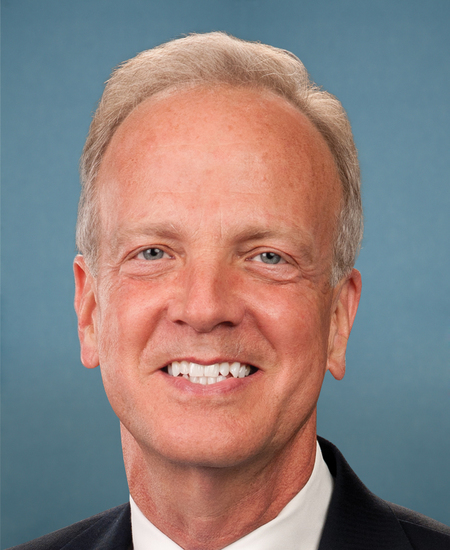
Jerry Moran
Senate
|
R |
Mixed
|
59% | 174 |

Sharice Davids
House · District 3
|
D |
Mixed
|
56% | 147 |
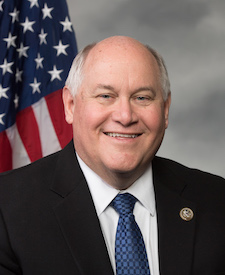
Ron Estes
House · District 4
|
R |
Strong −
|
19% | 150 |
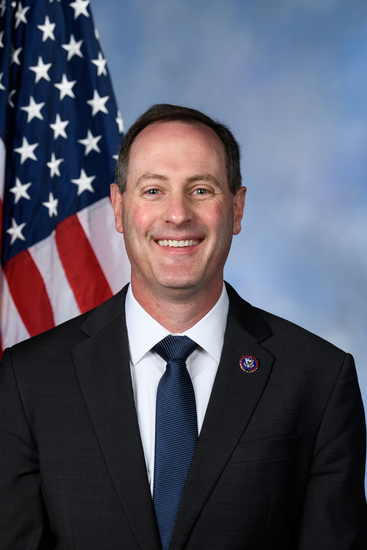
Tracey Mann
House · District 1
|
R |
Strong −
|
19% | 150 |
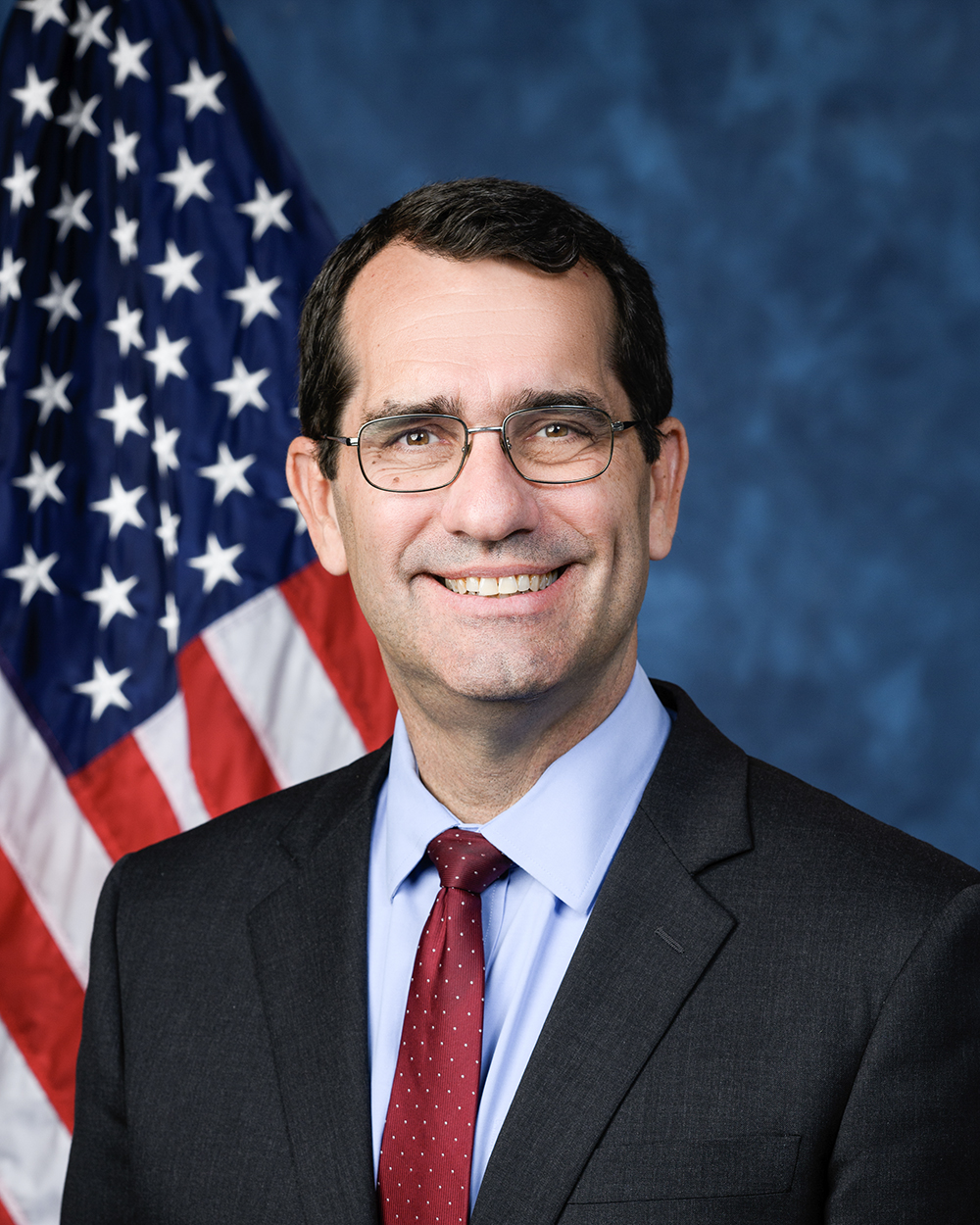
Derek Schmidt
House · District 2
|
R |
Strong −
|
19% | 149 |
Showing 1–10 of 62
bills
All immigration bills
S 5337: Keep Our Communities Safe Act of 2026
Topics
✗ Criminal JusticeOpposes Criminal JusticeThe bill expands detention authority, removes time limits, and restricts bond hearings, which limits due process rights within the criminal justice system.
✗ ImmigrationOpposes ImmigrationThe bill expands detention authority, removes time limits on detention, and restricts bond access, significantly limiting immigrant protections.
S 5192: Jimmy Deal Trafficking Survivors Assistance Act of 2026
Topics
✓ Criminal JusticeSupports Criminal JusticeBill aids trafficking survivors, a vulnerable group often impacted by criminal justice failures, by improving access to services and travel.
✓ ImmigrationSupports ImmigrationBill creates a dedicated role to assist trafficking survivors, many of whom lack proper ID, navigating security screenings and travel procedures, thereby providing essential services and protection.
✓ TransportationSupports TransportationBill mandates TSA to create a dedicated role to assist trafficking survivors with airport security and travel procedures, enhancing accessibility and safety for vulnerable travelers.
Sub-Topics
Human Trafficking
HR 8742: Respect Tribal IDs Act
HR 8077: 287(g) Cooperation Act of 2026
Topics
✗ Criminal JusticeOpposes Criminal JusticeBill ties federal funding to 287(g) agreements, which expand immigration enforcement powers to local police, potentially increasing criminalization of immigrants and reducing civil liberties.
✗ ImmigrationOpposes ImmigrationBill mandates state/local law enforcement cooperation with federal immigration enforcement, restricting immigrant protections and increasing enforcement capacity.
HR 3608: Connor’s Law
Topics
✗ ImmigrationOpposes ImmigrationBill mandates English proficiency for commercial drivers, restricting language access for non-English speaking immigrants and limiting their employment opportunities.
✓ TransportationSupports TransportationRequires English proficiency for commercial drivers to improve safety compliance with traffic signs and official communication, aligning with transportation safety standards.
S 1206: Judicial Relief Clarification Act of 2025
HR 1379: Trafficking Survivors Relief Act of 2025
Topics
✓ Criminal JusticeSupports Criminal JusticeEnables expungement of trafficking-related convictions, protects survivors' rights, and introduces a trafficking defense - directly advancing criminal justice reform by reducing barriers to reintegration.
✓ ImmigrationSupports ImmigrationHelps trafficking survivors (often immigrants) clear convictions related to trafficking, protecting their rights and access to services by removing legal barriers.
HR 1585: Conrad State 30 and Physician Access Reauthorization Act
Topics
✓ HealthcareSupports HealthcareExtends program enabling foreign physicians to serve underserved communities, directly improving healthcare access and addressing physician shortages in critical areas.
✓ ImmigrationSupports ImmigrationExtends visa program for foreign medical graduates in underserved areas, facilitating immigration access and supporting healthcare services for immigrant communities.
✓ Labor & EmploymentSupports Labor & EmploymentBill expands access to healthcare workers by extending visa protections and supporting physicians in underserved areas, strengthening workforce availability and employment opportunities.
HR 7156: SCAM Act
Topics
✗ Criminal JusticeOpposes Criminal JusticeExpands denaturalization for specific crimes, increasing penalties and reducing rights for naturalized citizens, opposing reform by strengthening punitive measures.
✗ ImmigrationOpposes ImmigrationTargets naturalized citizens for public benefit fraud/terrorism, enabling automatic citizenship revocation - restricts immigrant protections and increases enforcement against naturalized residents.
Sub-Topics
Citizenship & Naturalization