Issue · Environment

Environment

Every environment bill, vote, and legislator stance in Kansas, automatically classified by Maddy, our AI policy reader.

Total bills
87
119th Congress
Top supporter
Sharice Davids
63% support rate
Top opponent
Jerry Moran
23% support rate
Ranked legislators
6
1 support · 5 oppose
Key legislators

Who's moving environment in Kansas

Legislators moving environment in Kansas
Legislator Party Stance Support rate Votes
Sharice Davids
Sharice Davids House · District 3
D
Support
63% 302
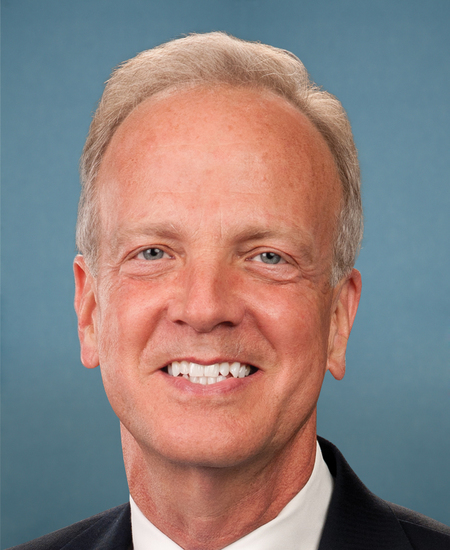
Jerry Moran
Jerry Moran Senate
R
Oppose
23% 228
Roger Marshall
Roger Marshall Senate
R
Oppose
24% 234
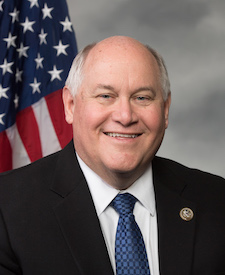
Ron Estes
Ron Estes House · District 4
R
Oppose
32% 304
Derek Schmidt
Derek Schmidt House · District 2
R
Oppose
38% 303
Tracey Mann
Tracey Mann House · District 1
R
Oppose
39% 306
Showing 1–10 of 87 bills

All environment bills

in committee · United States · Senate Jul 14, 2026

S 4962: Securing America's Water Supply Act

The Securing America's Water Supply Act directs the Army Corps of Engineers to create a new office dedicated to improving water supply, conservation, and drought resilience. This office will identify opportunities to use existing federal authorities to store and manage water for municipal and industrial needs, while also helping states and local groups access technical and financial assistance. Key actions include clearing backlogs on water supply studies, updating internal policies on how reservoir storage is allocated, and coordinating with other agencies to plan for future water shortages. The bill also requires the Corps to report annually on the office's progress, staffing levels, and the status of ongoing water projects.
Sub-Topics Conservation
in committee · United States · House Jun 30, 2026

HR 9217: Natural Climate Solutions Research and Extension Act of 2026

The Natural Climate Solutions Research and Extension Act of 2026 directs federal funding toward agricultural research and extension programs focused on natural climate solutions. This legislation specifically targets practices in farmlands, grasslands, wetlands, and forests that store carbon or lower greenhouse gas emissions. The bill requires these initiatives to incorporate traditional ecological knowledge, support biodiversity, and reduce water runoff. By amending an existing farm bill, the act aims to expand grant opportunities for land management strategies that address climate change.
Sub-Topics Climate Change Conservation Public Lands Tags Agriculture
in committee · United States · House Jun 24, 2026

HR 9250: Great American Outdoors Act 250

This bill redesignates the existing National Parks and Public Land Legacy Restoration Fund as the America's Legacy Restoration Fund to address deferred maintenance on federal lands. It directs revenue from recreation fees and a portion of energy development income into the fund, which must be used primarily for repairing critical infrastructure like roads, trails, and buildings managed by agencies such as the National Park Service and the Forest Service. The legislation establishes strict rules requiring that most funds go toward non-transportation projects, mandates transparency through public dashboards tracking project status, and sets aside a small percentage for matching private donations. Additionally, the bill increases entrance fees for foreign visitors to ensure they contribute to the fund, while prohibiting the use of these specific funds for land acquisition or employee bonuses.
passed · United States · Senate May 21, 2026

SRES 747: A resolution expressing support for the designation of May 2026 as "Renewable Fuels Month" to recognize the important role that renewable fuels play in lowering fuel prices for consumers, lessening reliance on foreign adversaries, supporting rural communities, and reducing carbon impacts.

This Senate resolution formally designates May 2026 as Renewable Fuels Month to honor the contributions of biofuels like ethanol and biodiesel. The bill highlights how these fuels support rural economies, create jobs, and reduce the nation's dependence on foreign oil. It also notes the environmental benefits, such as lower greenhouse gas emissions and improved air quality, without imposing any new laws or regulations.
in committee · United States · House Mar 18, 2026

HR 7977: Energy Bills Relief Act

The Energy Bills Relief Act aims to lower household energy costs and accelerate the development of low-cost, clean energy by modifying federal tax credits, expanding weatherization programs, and streamlining permitting processes. Key provisions include restoring tax incentives for renewable energy projects, increasing funding for low-income heating assistance, and requiring federal agencies to treat wind, solar, and storage projects with the same procedural fairness as oil and gas projects. The bill also establishes new incentives for upgrading the electricity grid, such as tax credits for transmission lines and grants for wildfire prevention measures, while creating mechanisms to ensure utilities serve public interests and protect consumers from price volatility.
in committee · United States · House Apr 27, 2026

HR 8497: Supporting Energy and Economic Development (SEED) Act

The Supporting Energy and Economic Development (SEED) Act extends tax credits for biodiesel and renewable diesel production through 2029. It prevents taxpayers from receiving both the production credit and the fuel use credit for the same fuel, ensuring only one benefit is claimed. These changes apply to fuel sold or used after the bill becomes law.
in committee · United States · House Apr 21, 2026

HR 8397: Protecting Moms and Babies Against Climate Change Act

This bill establishes a grant program to help vulnerable mothers and babies in areas with high climate-related health risks, such as extreme heat and air pollution. It directs the Department of Health and Human Services to award up to $105 million over four years to community groups, healthcare providers, and local organizations for initiatives that provide cooling resources, health education, and support services. The program prioritizes areas with high rates of maternal and infant health disparities and requires grantees to address racial and ethnic inequities. Additionally, the bill creates a research consortium at the National Institutes of Health to study climate impacts on birth outcomes and funds training programs for health profession schools to better prepare providers for these risks.
in committee · United States · House Mar 27, 2026

HR 8137: To amend the Internal Revenue Code of 1986 to establish tax credits for the production of, and investment in, certain renewable materials.

This bill creates two new tax incentives to encourage the production and investment in renewable materials derived from biomass. The first provision offers a production credit of 10 cents per pound for qualified renewable materials sold or used in business, while the second provides an investment credit equal to 30 percent of qualified property costs used in renewable material facilities. Both credits are limited to facilities located in the United States or its possessions and exclude products intended for fuel, heat, electricity, food, or feed. The bill also allows these tax credits to be transferred to other taxpayers and requires the Treasury Department to issue implementing regulations within 180 days of enactment.
in committee · United States · House May 21, 2026

HR 7954: Don Young Doug LaMalfa Indian Buffalo Management Act

This bill establishes a framework for the Department of the Interior to work with Indian Tribes and Tribal organizations to restore and manage buffalo populations on Indian lands. It authorizes the Secretary of the Interior to provide contracts, grants, and technical assistance to support tribal buffalo restoration programs, commercial buffalo activities, and mobile meat processing facilities. The legislation also requires ongoing consultation between the Department and tribes on buffalo management initiatives and ensures that culturally sensitive tribal information remains confidential. Additionally, the bill allows for the transfer of surplus buffalo from federal lands to Indian lands and explicitly preserves existing treaty rights of Indian Tribes, with all provisions set to expire seven years after enactment.
Sub-Topics Public Lands Wildlife Tags Tribal Nations
in committee · United States · Senate Mar 26, 2026

S 4250: Sport Fish Restoration, Recreational Boating Safety, and Wildlife Restoration Act of 2026

This bill extends federal funding for sport fish restoration and recreational boating safety through 2031, directly benefiting anglers, boaters, and conservation organizations. It updates the Dingell-Johnson Sport Fish Restoration Act by changing the funding period from 2026 to 2031 and modifies how multistate conservation grants are distributed. The key provision ensures each state receives the greater of 0.0375 percent of total appropriations or $200,000 for conservation projects, replacing the previous $1.2 million cap. These changes aim to provide more predictable and flexible funding for fisheries management and water safety initiatives across the United States.
Sub-Topics Conservation Wildlife
Showing 1 to 10 of 87 bills
1 2 3 9 Next