

Issue · Labor & Employment
Labor & Employment
Every labor & employment bill, vote, and legislator stance in Iowa, automatically classified by Maddy, our AI policy reader.
Total bills
282
2025-2026 Regular Session
Top supporter
Dan Dawson
88% support rate
Top opponent
Tom Jeneary
8% support rate
Ranked legislators
10
5 support · 5 oppose
Key legislators
Who's moving labor & employment in Iowa
| Legislator | Party | Stance | Support rate | Votes |
|---|---|---|---|---|

Dan Dawson
Senate · District 10
|
R |
Strong +
|
88% | 31 |

Josh Turek
House · District 20
|
D |
Strong +
|
86% | 52 |

Rob Johnson
House · District 34
|
D |
Strong +
|
80% | 59 |

Bob Kressig
House · District 75
|
D |
Strong +
|
80% | 60 |

Lindsay James
House · District 71
|
D |
Support
|
79% | 53 |

Tom Jeneary
House · District 3
|
R |
Strong −
|
8% | 59 |
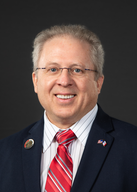
Tom Gerhold
House · District 84
|
R |
Strong −
|
13% | 56 |

Barb Kniff McCulla
House · District 37
|
R |
Strong −
|
19% | 62 |

Megan Jones
House · District 6
|
R |
Strong −
|
19% | 62 |

David Young
House · District 28
|
R |
Strong −
|
19% | 63 |
Showing 41–50 of 282
bills
All labor & employment bills
HF 2588: A bill for an act establishing a water and wastewater operator apprenticeship and work release pilot program for inmates, and making appropriations.
Topics
✓ Budget & TaxesSupports Budget & TaxesBill appropriates $500,000 for a pilot program addressing workforce shortages, directly funding a state initiative under budgetary allocation.
✓ Criminal JusticeSupports Criminal JusticeProvides vocational training and work release for inmates to reduce recidivism and improve post-release employment, aligning with criminal justice reform goals.
✓ Labor & EmploymentSupports Labor & EmploymentProvides vocational training and employment pathways for inmates, addressing workforce shortages and supporting post-release employment opportunities.
SSB 3156: A bill for an act relating to assaults on persons engaged in certain occupations and harassment against public utility employees or contractors, and making penalties applicable.
Topics
✗ Criminal JusticeOpposes Criminal JusticeBill increases penalties for assaults on protected workers, expanding criminalization and harsher sentencing per indicators for 'oppose'.
✓ Labor & EmploymentSupports Labor & EmploymentProtects public utility workers by increasing penalties for assaults against them, enhancing workplace safety protections under Labor & Employment.
HF 2457: A bill for an act establishing the credential-attainment program within the department of workforce development, making appropriations, and including effective date provisions.
Topics
✓ Budget & TaxesSupports Budget & TaxesBill provides employer tax credits (up to 10% of wages) and makes appropriations to fund workforce program, directly using tax policy to support funding and incentives.
✓ EducationSupports EducationBill establishes K-12 career credential program with employer partnerships, expanding student access to industry certifications and job guarantees, directly supporting educational access and career pathways.
✓ Labor & EmploymentSupports Labor & EmploymentGuarantees high-wage jobs (200% poverty level) and provides employer tax credits to fund workforce program, advancing employment standards and career pathways for students.
HSB 663: A bill for an act relating to qualifications for certain rights and privileges prescribed by the state, including state employment, professional licensure, voter registration, and bail, and making penalties applicable.
Topics
✗ ImmigrationOpposes ImmigrationMandates citizenship verification for licenses/voting/bail, denies services to 'unauthorized aliens' using federal enforcement tools (SAVE/e-Verify), restricting immigrant access to state rights.
✗ Labor & EmploymentOpposes Labor & EmploymentRestricts state employment access via citizenship verification (e-Verify), limiting eligibility for workers based on immigration status rather than labor protections.
HF 2607: A bill for an act exempting service performed for certain employers from eligibility for unemployment insurance, and including applicability provisions.
HSB 652: A bill for an act relating to the confidentiality of peer support communications for public safety officers.
Topics
✓ Criminal JusticeSupports Criminal JusticeProtects peer support confidentiality for law enforcement officers, encouraging mental health access without disciplinary fear, aligning with officer wellness and accountability support in criminal justice.
✓ HealthcareSupports HealthcareBill protects confidentiality of peer support counseling for public safety officers, advancing mental health services by ensuring safe access to care without disclosure risks.
✓ Labor & EmploymentSupports Labor & EmploymentProtects public safety officers' confidential peer support communications, enhancing workplace mental health resources and reducing fear of disciplinary action during wellness sessions.
HF 2384: A bill for an act relating to the maximum amount of unemployment benefits payable during a benefit year.
Sub-Topics
Unemployment
SF 2169: A bill for an act relating to apprenticeships.
SF 2400: A bill for an act relating to assaults on persons engaged in certain occupations and harassment against public utility employees or contractors, and making penalties applicable.
Topics
✗ Criminal JusticeOpposes Criminal JusticeBill elevates assaults on public utility workers to class C felonies and expands criminalization, increasing penalties and aligning with 'oppose' indicators: increases mandatory sentences and expands criminalization.
✓ Labor & EmploymentSupports Labor & EmploymentExpands workplace safety protections for public utility workers by increasing penalties for assaults, directly strengthening labor protections under the Labor & Employment topic.