Issue · Immigration

Immigration

Every immigration bill, vote, and legislator stance in Iowa, automatically classified by Maddy, our AI policy reader.

Total bills
15
119th Congress
Top supporter
Chuck Grassley
70% support rate
Top opponent
Mariannette Miller-Meeks
18% support rate
Ranked legislators
6
2 support · 4 oppose
Key legislators

Who's moving immigration in Iowa

Legislators moving immigration in Iowa
Legislator Party Stance Support rate Votes
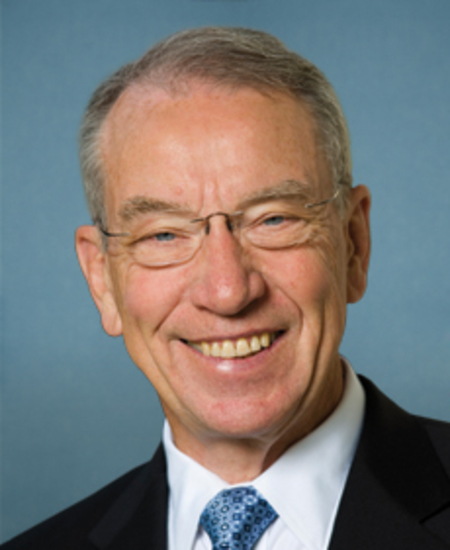
Chuck Grassley
Chuck Grassley Senate
R
Support
70% 162
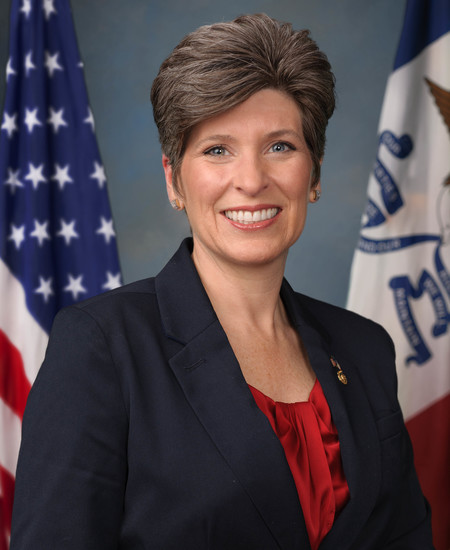
Joni Ernst
Joni Ernst Senate
R
Support
66% 175
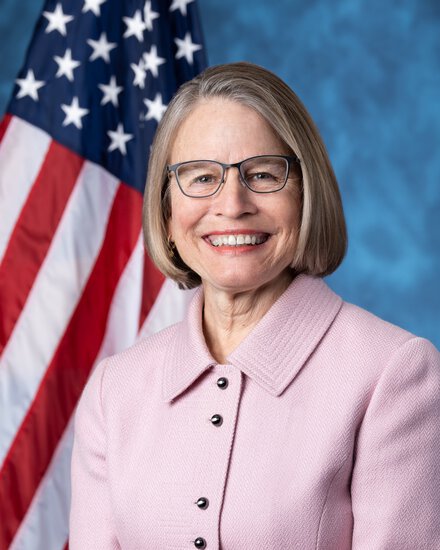
Mariannette Miller-Meeks
Mariannette Miller-Meeks House · District 1
R
Strong −
18% 142
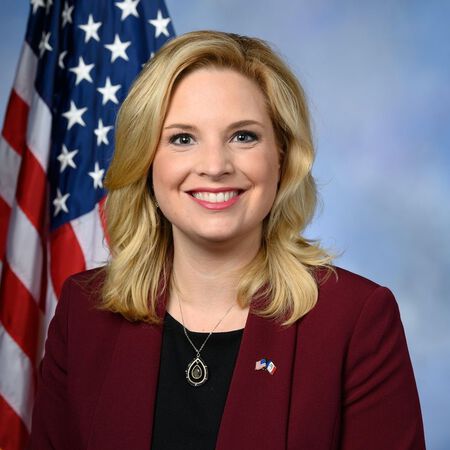
Ashley Hinson
Ashley Hinson House · District 2
R
Strong −
19% 144
Randy Feenstra
Randy Feenstra House · District 4
R
Strong −
19% 146
Zachary Nunn
Zachary Nunn House · District 3
R
Strong −
19% 142
Showing 1–10 of 15 bills

All immigration bills

in committee · United States · House Jul 10, 2025

HR 4329: Building Civic Bridges Act

HR 4329, the Building Civic Bridges Act, creates an Office of Civic Bridgebuilding within the Corporation for National and Community Service to support projects reducing community divisions. It establishes a 3-year pilot grant program funding nonprofits, community groups, and schools to run projects that foster respect across diverse communities, address unmet needs like health or safety concerns, and improve social cohesion. Grants require projects to use research-based approaches, engage polarized communities, ensure participant safety, and track outcomes using standardized criteria. The program is funded exclusively through existing donations (not new federal funds) and mandates consultation with diverse community leaders and researchers. The Office will also compile research on civic bridgebuilding best practices for public access.
in committee · United States · House Apr 8, 2025

HR 2729: Carnivals are Real Entertainment Act

HR 2729, the "Carnivals are Real Entertainment Act," creates a new temporary work visa category for carnival and circus workers. It directly affects mobile entertainment providers (like traveling carnivals, circuses, and affiliated food/game concession services) and their workers who perform essential tasks such as transporting, assembling, operating, and maintaining rides and equipment at seasonal fairs and festivals. The bill amends immigration law to define "mobile entertainment workers" as those entering temporarily for functions integral to these operations, subject to labor program requirements similar to other temporary work visas. It requires the Departments of Homeland Security and Labor to issue implementing rules within one year of enactment.
in committee · United States · Senate Mar 27, 2025

SRES 145: A resolution protecting the Iranian political refugees, including female former political prisoners, in Ashraf-3 in Albania.

SRES 145 is a non-binding Senate resolution expressing support for Iranian political refugees residing in Ashraf-3, Albania. It calls on the U.S. government to condemn Iran’s threats (including cyberattacks and sham legal proceedings) against these refugees and to urge Albania to uphold their rights under international law, including freedom of expression and protection from extradition. The resolution specifically highlights the community’s status as former political prisoners and witnesses to Iran’s human rights abuses, such as the 1988 massacre. It does not create new laws but formally advocates for diplomatic action to safeguard this group.
in committee · United States · House Feb 13, 2025

HR 1338: REPLACE Act

Replacing Essential Passports and Licenses After Certain Emergencies Act or the REPLACE Act This bill automatically waives the fees to replace certain federal documents (e.g., passports, visas, or immigration documents) destroyed by a major disaster. Under current law, the Department of State and U.S. Citizenship and Immigration Services (USCIS) may waive replacement fees for these critical documents for individuals or households adversely affected by a major disaster. The bill requires the State Department and USCIS to waive these replacement fees when the documents are destroyed by a major disaster for which assistance is provided under the Federal Emergency Management Agency’s Individuals and Households Program. The agencies must notify the public of the availability of these waivers on their respective websites. The bill also requires the State Department and USCIS to annually report to Congress the number of such fee waivers granted and the resulting cost to the respective agencies.
Sub-Topics Citizenship & Naturalization Tags Emergency Management
in committee · United States · House Sep 19, 2025

HR 5528: America’s CHILDREN Act of 2025

This bill creates a pathway to permanent residency for certain college graduates who entered the U.S. as children under specific nonimmigrant visa categories (excluding H-1B, L-1, etc.). To qualify, applicants must have been lawfully present for 10 years total (including 8 years as a dependent child), graduated from a U.S. college, and not be inadmissible. It also changes how "child status" is determined for immigration purposes - using specific dates instead of age to prevent "age-outs" for dependents of long-term visa holders - and preserves priority dates for family members. These changes apply to individuals who entered the U.S. before age 21 and maintained lawful status under qualifying visas.
in committee · United States · House Mar 25, 2025

HR 2349: Uyghur Human Rights Protection Act

This bill designates Uyghurs and other Muslim minority group members from Xinjiang who have experienced or fear persecution for peaceful political, religious, or cultural expression as "persons of special humanitarian concern" for refugee resettlement. It provides for Priority 2 processing under the refugee system, waives the presumption that applicants are immigrants, and excludes them from numerical visa limits. The bill requires regular reporting on refugee applications from Xinjiang, including wait times and denial reasons, and encourages other countries to make similar accommodations for Xinjiang refugees. The provisions apply to individuals who fled Xinjiang due to detention, forced labor, family separation, or other human rights abuses documented in the bill's findings. The bill would expire 10 years after enactment.
Sub-Topics Refugees & Asylum
in committee · United States · Senate May 5, 2025

S 1589: Immigration Parole Reform Act of 2025

S 1589, the Immigration Parole Reform Act of 2025, updates U.S. immigration parole rules to allow temporary entry for specific groups under strict criteria. It permits parole for urgent humanitarian reasons (like life-threatening medical emergencies or family reunification) or significant public benefit (such as assisting law enforcement), but only on a case-by-case basis - not for entire groups. The bill specifically expands eligibility for military family members, Cuban nationals under historical migration agreements, and those needing urgent medical care or organ transplants. Parole lasts up to one year (with possible one-year extensions) and does not grant work authorization except for military families and Cuban nationals, while requiring detailed annual reporting to Congress.
in committee · United States · House Mar 18, 2026

HR 5688: Non-Domiciled CDL Integrity Act

HR 5688, the Non-Domiciled CDL Integrity Act, changes rules for issuing commercial driver's licenses (CDLs) to people who don't live in the state where the license is issued. It allows states to issue CDLs to foreign nationals with lawful U.S. immigration status and work-related visas (valid for up to one year or until their stay ends), requiring states to verify status before issuing and keep records for two years. For residents of U.S. territories like Puerto Rico, it requires proof of U.S. citizenship or permanent residency before issuing CDLs, with similar verification and record-keeping rules. The bill directly affects commercial drivers from foreign countries and U.S. territories seeking CDLs in states where they are not residents.
in committee · United States · House Aug 19, 2025

HR 4995: Enduring Welcome Act of 2025

This bill permanently establishes the Coordinator for Afghan Relocation Efforts (CARE) within the State Department, expanding their role to prioritize family reunification for U.S. military personnel and veterans with Afghan allies. It mandates the Coordinator to collect detailed data on Afghan applicants (including special immigrant visa seekers, refugees, and parolees), vetting timelines, and pending family reunification cases into a centralized database. The Coordinator must report this data to Congress every 90 days to ensure transparency and inform policy decisions. The law directly affects Afghan allies and their families seeking U.S. relocation, particularly those connected to U.S. military service.
in committee · United States · House Aug 5, 2025

HR 4895: Afghan Adjustment Act

HR 4895, the Afghan Adjustment Act, creates a pathway to conditional permanent resident status for Afghans who supported U.S. military or government efforts in Afghanistan. Eligible individuals include Afghan citizens or nationals who were employed by or on behalf of U.S. forces, worked with U.S. intelligence, or were part of specific Afghan security forces (including members of the Afghanistan National Defense and Security Forces), and who served for at least one year during the relevant period. The bill establishes a 4-year conditional period before full permanent residency is granted, requires security checks similar to refugee processing, prohibits fees for processing applications, and creates a referral system for processing applications from Afghans still in Afghanistan. It also provides eligibility for benefits available to refugees and establishes an Interagency Task Force to oversee implementation.
Sub-Topics Refugees & Asylum
Showing 1 to 10 of 15 bills
1 2 Next