Maddy summaryThis bill prevents public colleges receiving federal funding from denying religious student groups access to campus facilities and official recognition - same as other student organizations. It requires equal treatment for religious groups regarding meeting spaces, events, and institutional support, prohibiting discrimination based on religious beliefs or practices. The law directly affects all public universities participating in federal student aid programs (over 400 institutions). It mandates policy changes to ensure religious groups receive the same access and benefits as secular clubs.
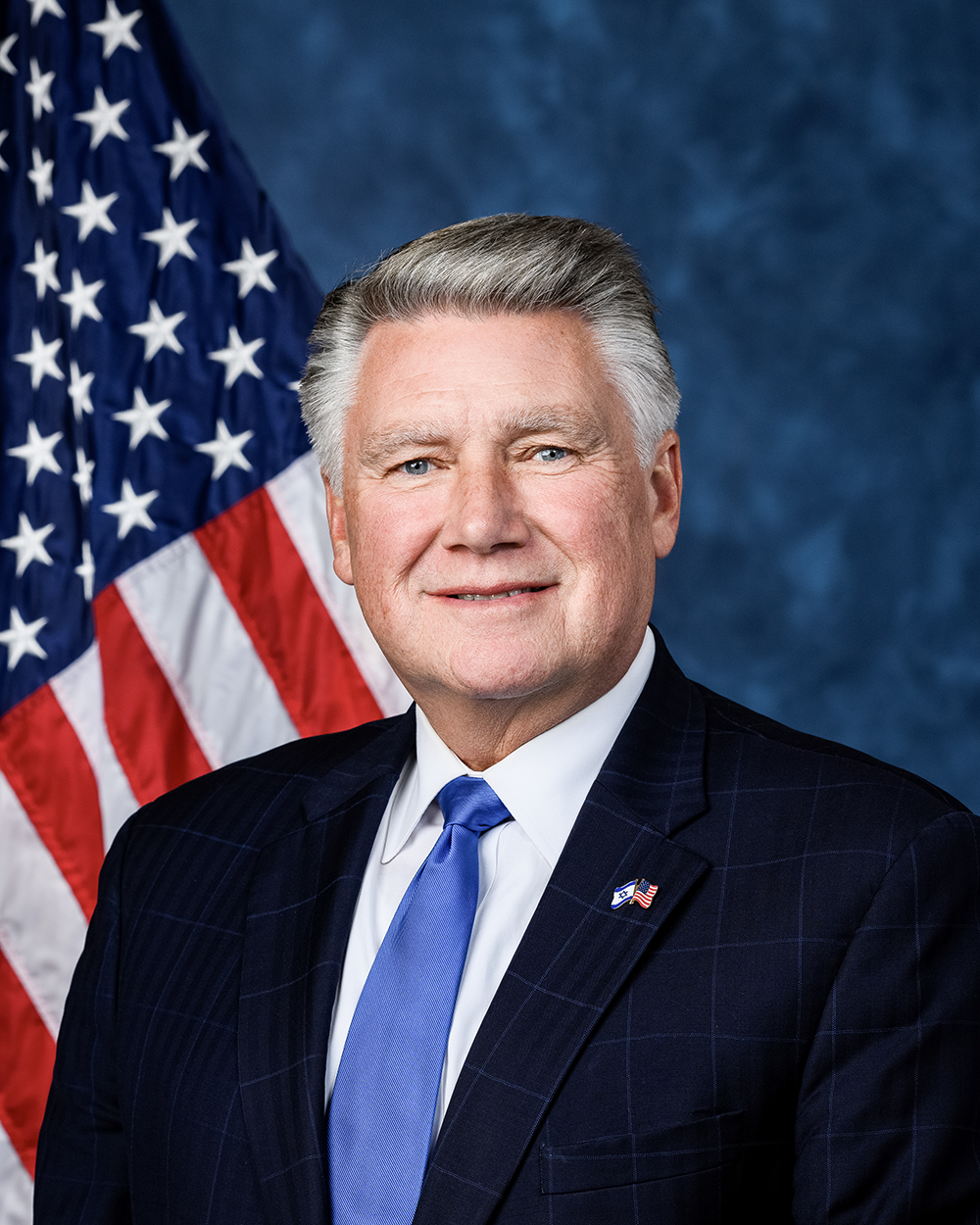
Rep. Mark Harris
Sponsored bills
Maddy summaryThis bill requires all new passenger vehicles manufactured for sale in the U.S. to include AM radio as standard equipment (not an optional add-on) by 2027-2028, depending on manufacturer size. It mandates that AM radio receivers must be easily accessible to drivers and allows compliance through digital AM broadcast technology. During a transition period, manufacturers must clearly label vehicles without AM radio but cannot charge extra for this feature. The bill also mandates a GAO study on AM radio's role in emergency alerts and includes a 10-year sunset provision for the rule. It preempts state laws regarding AM radio access in vehicles.
Maddy summaryThis bill authorizes the Secretary of the Army to transfer approximately 20 acres of land at Fort Bragg in North Carolina to the state government without charge. The property is intended for the construction of a veterans' home under the jurisdiction of the North Carolina Department of Military and Veterans Affairs. The state is required to pay all costs associated with the transfer, including environmental reviews and administrative fees, with any excess prepayments refunded by the federal government. If the land is no longer used for the designated veterans' facility, ownership may revert to the United States at the Secretary's discretion.
Maddy summaryThe TEAM USA Act would amend the Higher Education Act to require colleges and universities receiving federal financial assistance to limit international student athletes to no more than 20 percent of any varsity sports team roster, or a maximum of one player for teams with fewer than ten members. The bill defines an international student athlete as someone who is not a U.S. national or permanent resident, or who has received athletic financial support from a foreign Olympic or Paralympic committee. Institutions would be required to report their compliance annually to the Secretary of Education and relevant athletic associations. These new restrictions would take effect on July 1, 2029, applying to the 2029-2030 academic year and all subsequent years.
Maddy summaryHR 4499 makes technical amendments to update statutory references throughout the U.S. Code from provisions previously referenced in title 42 to title 34, United States Code. The bill corrects numerous technical errors in legal references across multiple titles of the U.S. Code, including titles 2, 6, 8, 10, 12, 18, 20, 22, 25, 26, 28, 29, 31, 33, 34, 35, 40, 42, 49, and 50. It does not change any substantive policy but ensures consistent reference to the correct titles and sections of the U.S. Code. This type of technical bill is routine and affects how legal documents, court decisions, and government agencies cite specific provisions. The bill directly affects all federal legal documents and agencies that reference the U.S. Code.
Maddy summaryHR 5267, the American Franchise Act, clarifies when franchisors can be considered joint employers of franchisee employees under federal labor laws. It defines "substantial direct and immediate control" over essential employment terms like wages, benefits, hours, hiring, and discipline - requiring franchisors to actively set these terms to be deemed joint employers. The bill explicitly excludes routine brand standards, training, or minimal safety requirements from constituting such control. This directly affects franchisors and franchisees by limiting joint employer liability to cases where franchisors exert significant, ongoing influence over core employment decisions. The law applies prospectively to new cases after enactment, not past disputes.
Maddy summaryThe Flock-Off Act prohibits federal agencies, state and local governments, and other recipients of federal funds from using federal money to purchase, operate, or maintain automated camera systems that capture biometric data or license plate information. The bill requires these entities to remove any existing covered camera systems within 180 days of enactment, with violations resulting in the withholding of further federal funding until reimbursed. Specific exceptions allow for the continued use of such systems within one mile of the U.S. borders for security purposes and on toll roads strictly for toll collection and enforcement.
Maddy summaryHR 2555, the Freedom of Association in Higher Education Act of 2025, protects students who join or form single-sex social organizations (like fraternities or sororities) at colleges. It prohibits colleges receiving federal funds from taking negative actions against these students or organizations solely because they limit membership to one sex - such as denying housing, financial aid, leadership roles, or recognition. The bill ensures students can join such groups without coercion and stops colleges from imposing unfair recruitment rules on single-sex organizations compared to others. It does not require colleges to recognize single-sex groups, allow organizations to set their own membership rules, or override Title IX protections.
Maddy summaryThe No Antisemitism in Education Act of 2026 requires schools and universities receiving federal funds to treat antisemitism with the same seriousness as other forms of discrimination prohibited by Title VI of the Civil Rights Act. Under this law, institutions must use the official definition of antisemitism found in a prior presidential executive order to investigate complaints and enforce their own policies. The bill explicitly states that these requirements do not violate free speech rights or override existing state laws, ensuring that Jewish students and staff are protected from harassment and exclusion on campus.
Maddy summaryThe GATE Act of 2026 prohibits U.S. national laboratories from admitting or granting access to foreign nationals from China, Russia, Iran, North Korea, and Cuba who are not permanent residents or U.S. citizens. This ban applies to individuals seeking to visit the facilities or work there for more than 30 consecutive days. The Secretary of Energy may issue a written waiver to allow specific exceptions if they determine that the benefits to the United States outweigh national security and economic risks, a decision made in consultation with intelligence officials. Any such waivers must be reported to relevant congressional committees within 30 days, including details on the individual's country of origin and the specific reasons for the exception.