

Maddy summaryThe NSF REU Act of 2026 reauthorizes and expands the National Science Foundation's program that funds summer and academic-year research experiences for undergraduate students in STEM fields. The bill requires that at least half of the participants at each funded site be recruited from institutions with limited research opportunities, such as community colleges, minority-serving institutions, and rural schools. It authorizes $100 million annually for fiscal years 2027 through 2032 to support these grants, which must cover student stipends, travel, housing, and mentor training. Additionally, the legislation mandates that the NSF track student outcomes for at least three years after their degree and submit a report to Congress on program effectiveness and recruitment strategies.
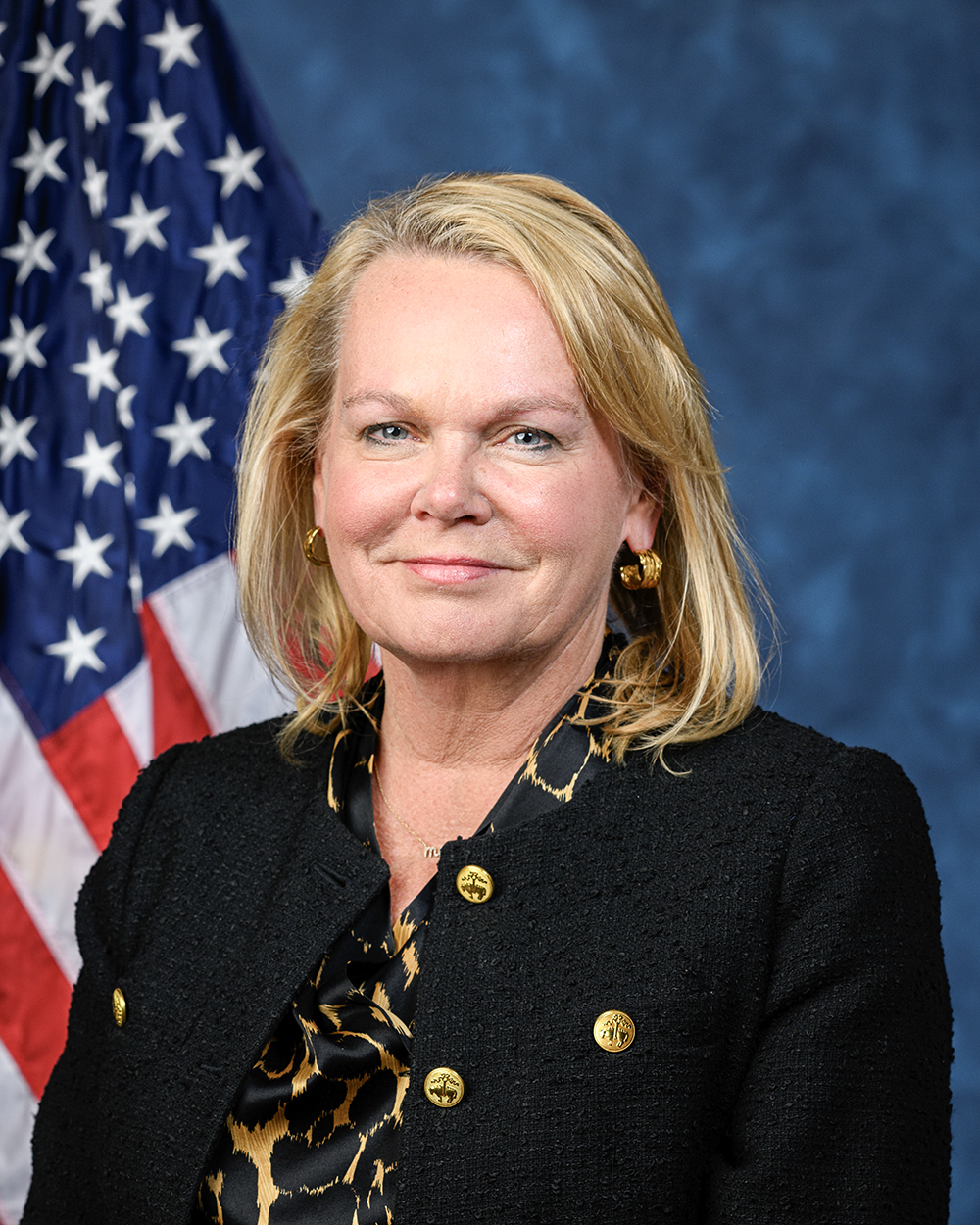
Rep. April McClain Delaney
Sponsored bills
Maddy summaryHR 2555, the Freedom of Association in Higher Education Act of 2025, protects students who join or form single-sex social organizations (like fraternities or sororities) at colleges. It prohibits colleges receiving federal funds from taking negative actions against these students or organizations solely because they limit membership to one sex - such as denying housing, financial aid, leadership roles, or recognition. The bill ensures students can join such groups without coercion and stops colleges from imposing unfair recruitment rules on single-sex organizations compared to others. It does not require colleges to recognize single-sex groups, allow organizations to set their own membership rules, or override Title IX protections.
Maddy summaryHR 10055 prohibits the renaming or redesignation of federal buildings and properties unless explicitly authorized by a new law passed by Congress, effectively removing executive branch authority to change names previously established by statute. The bill directly affects politically appointed federal officers and employees, who face criminal penalties including fines and imprisonment for willfully displaying incorrect names or renaming property without statutory approval. These enforcement provisions apply specifically to officials in positions requiring Senate confirmation and take effect on January 1, 2027.
Maddy summaryThis bill, titled the No TSA Data for ICE Act, prohibits the Transportation Security Administration from sharing passenger data with U.S. Customs and Border Protection or U.S. Immigration and Customs Enforcement. It specifically bars these agencies from using TSA information or data from private brokers to perform immigration enforcement functions. Additionally, the legislation prevents the denial, suspension, or early termination of Trusted Traveler programs like PreCheck and Global Entry if an individual's participation in First Amendment-protected activities is the reason. The law defines the restricted data as personally identifiable information about flight passengers obtained from the TSA or private sector entities.
Maddy summaryThe Understanding AI in the Classroom Act directs the National Science Foundation to hold workshops within 18 months of enactment to study how artificial intelligence impacts children's learning, development, and trust in technology. These workshops will involve researchers, educators, school leaders, and parent groups to examine specific concerns such as attention spans, emotional growth, and potential biases affecting different age groups. Following the workshops, the National Science Foundation must produce a public report detailing any identified gaps in current knowledge about AI's effects on students. This legislation focuses on gathering data and understanding risks rather than immediately restricting or mandating the use of AI in schools.
Maddy summaryThis bill establishes federal protections and funding to expand access to in vitro fertilization and intrauterine insemination for individuals, military service members, and veterans. It requires most private health plans, Medicaid programs, and Medicare to cover these fertility treatments without imposing higher cost-sharing than other medical services. Additionally, the legislation mandates that the Department of Defense and the Department of Veterans Affairs provide specific fertility preservation and treatment benefits to uniformed service members and eligible veterans. The bill also includes preemption clauses that override state laws restricting these procedures and prohibits discrimination based on marital status, sex, or sexual orientation in the provision of care.
Maddy summaryThe Protecting Childcare from Private Equity Act requires the Securities and Exchange Commission to collect and report data on private funds that own or control childcare providers. It restricts these large private funds from selling their interests in childcare entities or taking dividends for four years after they first gain control. Additionally, the bill mandates a study by the Comptroller General to examine how private equity ownership affects childcare quality, availability, costs, and employee wages. These measures specifically target private funds with over $150 million in assets that operate childcare at more than 25 locations.
Maddy summaryThis bill expands federal election laws to prevent foreign nationals from influencing U.S. elections by tightening restrictions on domestic companies with significant foreign ownership or control. It requires businesses that are at least 50% owned by foreign individuals, or those with specific foreign influence, to file a sworn certification proving they are not foreign-controlled before making any political donations or spending money on election activities. Additionally, the law clarifies that these rules apply to state and local ballot initiatives and mandates that corporate political action funds certify their managers and board members are U.S. citizens or permanent residents. The legislation also prohibits recipients of funds from these businesses from using the money for further political contributions unless they receive and verify the required compliance certification.
Maddy summaryThis concurrent resolution formally recognizes the persistent wage gap between Black women and white, non-Hispanic men in the United States. It highlights data showing that Black women earn significantly less than their male counterparts and reaffirms Congress's support for existing laws that prohibit pay discrimination based on sex or race. The document does not create new laws or change policy but serves as a symbolic statement to raise awareness about the economic disparities faced by Black women.
Maddy summaryThe SCALE Biology Act directs the National Institute of Standards and Technology to create a new biometrology laboratory program focused on engineering biology and biomanufacturing. This initiative aims to improve the accuracy and reliability of biological data while developing technical standards, safety guidelines, and measurement tools to support industry innovation and national security. The bill authorizes funding over several years to establish research facilities, train experts, and collaborate with universities and private companies to advance the field. Additionally, the legislation updates existing definitions related to biotechnology and biosafety to ensure clarity across federal programs.