Repealing the Ill-Conceived and Problematic (RIP) Book Minimum Tax Act This bill repeals the 15% alternative minimum tax on corporations enacted by the Inflation Reduction Act of 2022.
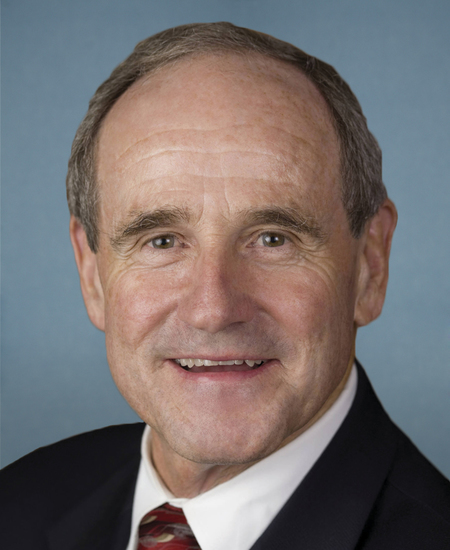
Sen. James E. Risch
Sponsored bills
Small Business Broadband and Emerging Information Technology Enhancement Act of 2022 This bill directs the Small Business Administration (SBA) to designate a senior Office of Investment and Innovation employee as broadband and emerging information technology coordinator, and it establishes measures to aid the competitiveness and productivity of small businesses through broadband access and other emerging information technologies. The coordinator's responsibilities shall include (1) identifying best practices relating to broadband and emerging information technology that may help small businesses; and (2) coordinating SBA programs that assist small businesses in adopting, making innovations in, and using broadband and other emerging information technologies. The coordinator must also provide training to familiarize its employees with broadband and other emerging technologies. Further, the SBA must report on (1) its programs and activities relating to broadband and emerging information technologies, and (2) the impact of broadband and emerging information technology deployment on small businesses. The bill also requires Small Business Development Centers to assist small businesses in accessing broadband and other emerging information technology.
Good Samaritan Remediation of Abandoned Hardrock Mines Act of 2022 This bill promotes the remediation of abandoned hardrock mine sites by Good Samaritans. A Good Samaritan means a person that is (1) not a past or current owner or operator of the abandoned site; (2) had no role in the creation of the historic mine residue; and (3) is not potentially liable under any law for the remediation, treatment, or control of the historic mine residue. The bill requires the Environmental Protection Agency (EPA) to establish a Good Samaritan pilot program. Under the program, the EPA may issue permits to allow Good Samaritans to remediate historic mine residue at abandoned hardrock mine sites without assuming liability under specified environmental laws for past, present, or future releases, threats of releases, or discharges of hazardous substances or other contaminants at or from the abandoned mine site. In addition, the bill establishes a Good Samaritan Mine Remediation Fund for land management agencies that authorize Good Samaritans to conduct remediation projects on federal land.
SBIC Advisory Committee Act of 202 2 This bill requires the Small Business Administration (SBA) to establish an advisory committee to develop recommendations for expanding SBA assistance provided through Small Business Investment Companies (SBICs). SBICs are privately owned companies, licensed and regulated by the SBA, which invest in small businesses through debt and equity. Composed in part of representatives of and partners with small businesses in low-income communities and rural areas, the advisory committee must make recommendations for SBICs to invest in (1) underlicensed and underfinanced states; and (2) small businesses owned by socially or economically disadvantaged individuals, veterans, and women.
This resolution condemns the death and detention of Mahsa Amini (an Iranian woman who died in the custody of the Morality Policy of Iran after being detained for purportedly wearing her hijab improperly). It also calls on Iran to end its systemic persecution of women.
Stop Harassing Owners of Rifles Today Act or the SHORT Act This bill removes certain short-barreled rifles, short-barreled shotguns, and other weapons from the definition of a firearm for purposes of regulation under the National Firearms Act (NFA). The bill also eliminates certain restrictions that apply to the sale or transportation of such rifles and shotguns in interstate commerce. If a state or local registration or licensing requirement is determined by reference to the NFA, the bill treats persons who acquire or possess a short-barreled rifle, short-barreled shotgun, or other weapon in accordance with the Gun Control Act of 1968 as meeting the registration and licensing requirements. The bill preempts certain state or local laws that tax or regulate these rifles, shotguns, and weapons. The Bureau of Alcohol, Tobacco, Firearms and Explosives must destroy records relating to the registration, transfer, or manufacture of applicable weapons described by this bill within one year after the enactment of this bill.
Preventing Underhanded and Nefarious Iranian Supported Homicides Act of 2022 or the PUNISH Act of 2022 This bill extends sanctions and national emergencies related to Iran established by specified executive orders and limits the authority of the President to waive sanctions related to Iran. The bill requires the Department of State to periodically report whether Iran or any foreign person has supported specified activities, including murder or politically motivated detention in Iran of a U.S. citizen.
Protecting Access for Hunters and Anglers Act of 2022 This bill bars the Department of the Interior and the Department of Agriculture from prohibiting or regulating the use of lead ammunition or tackle on federal land or water that is under the jurisdiction of such departments and made available for hunting or fishing. The bill makes exceptions for specified existing regulations and where the applicable department determines that a decline in wildlife population at the specific unit of federal land or water is primarily caused by the use of lead in ammunition or tackle, based on the field data from such unit, and the state approves the regulations.
This joint resolution nullifies the final rule issued by the Council on Environmental Quality titled National Environmental Policy Act Implementing Regulations Revisions and published on April 20, 2022. The rule restores regulatory provisions issued under the National Environmental Policy Act of 1969 (NEPA) that were in effect before being modified in 2020 by the Update to the Regulations Implementing the Procedural Provisions of the National Environmental Policy Act rule.
Maddy summarySRES 789 is a symbolic Senate resolution designating October 12, 2022, as "National Loggers Day." It recognizes the logging industry's role in providing rural jobs, supporting forest management, and contributing to environmental benefits like watershed protection and wildfire prevention. The resolution does not create new laws or funding; it is a commemorative gesture that encourages the President to formally recognize the day. It directly affects no individuals or entities through policy changes, as it serves only to honor the industry.