

Maddy summaryThis bill amends the Congressional Budget Act to require the Congressional Budget Office (CBO) Director to assess whether health-related proposals could reduce future federal spending through preventive health measures. It directs the CBO to document and project these potential savings in budget analyses when requested by specific congressional committees (Budget, Finance, Health, or Energy committees in either chamber). The law defines "preventive health" as evidence-based actions that prevent disease and promote wellness, and mandates the CBO to include these savings estimates in budget projections for up to 20 years beyond the current budget cycle. The bill affects how federal spending reductions from preventive health programs are scored, not the programs themselves.
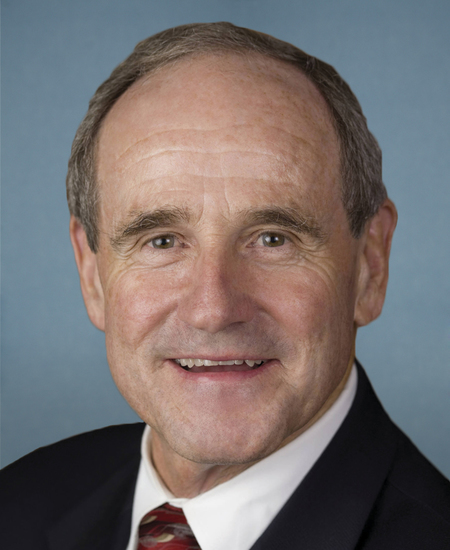
Sen. James E. Risch
Sponsored bills
Maddy summaryThis bill requires the U.S. government to prioritize payments for Social Security benefits, military pay, veterans' benefits, Medicare, and debt held by the public if the national debt reaches its legal limit. It mandates that the Treasury automatically increase the debt ceiling by the amount needed to cover these priority payments during any two-week period where revenue would otherwise fall short. The law directly affects Social Security recipients, active-duty military personnel, veterans, Medicare beneficiaries, and holders of U.S. Treasury debt. Key provisions include automatic debt limit adjustments based on revenue projections and holding excess funds for future payment periods. The bill aims to prevent default on these critical obligations without requiring new congressional action during debt limit crises.
Maddy summaryThis bill prohibits federal funds from covering abortions in most circumstances, including health benefits plans, with exceptions for cases of rape, incest, or when a pregnancy endangers a woman's life. It specifically bars the use of Affordable Care Act (ACA) premium tax credits and cost-sharing reductions for health plans that cover abortion, requiring insurers to disclose abortion coverage details separately in marketing materials. The law applies to all federal health programs and ACA marketplace plans, ensuring taxpayer dollars aren't used for abortion services or coverage. It does not affect private insurance plans purchased with non-federal funds or separate abortion coverage options.
Maddy summaryThe Standing with Moms Act of 2023 requires the U.S. Department of Health and Human Services to create a public website (life.gov) and an interactive portal within one year of enactment. The portal uses a question-based system to connect pregnant individuals with location-specific resources, including mental health support, medical services, financial assistance, childcare, and alternatives to abortion. It prohibits listing resources from organizations that provide or promote abortions and mandates multilingual access. The bill also requires annual reporting on website usage and resource gaps to Congress, focusing on improving support for pregnant and postpartum women.
Maddy summaryS 78 requires physicians performing abortions on minors from out-of-state to provide at least 24 hours' written notice to the minor's parent before the procedure, unless specific exceptions apply. It prohibits transporting minors across state lines to bypass parental involvement laws in their home state, with penalties for violations. Exceptions include life-threatening medical conditions, compliance with the minor's home state's abortion laws, or documented court authorization. The bill directly affects minors seeking out-of-state abortions, their parents, and medical providers who perform such procedures.
Maddy summaryThe Water Rights Protection Act of 2023 requires federal agencies (like the Departments of Agriculture and Interior) to respect state authority over water rights in all federal actions. It prohibits federal agencies from imposing conditions that conflict with state water law, such as forcing water rights transfers to the U.S. government, altering state-defined terms for beneficial use, or restricting water rights beyond state limits. The bill directly affects states, water users (including tribes and agricultural entities), and federal land management decisions. It ensures federal permits, leases, or approvals align with state water law without adding extra restrictions.
Maddy summaryThis bill prohibits the U.S. Department of Defense from requiring defense contractors to report greenhouse gas emissions. It specifically bans the Secretary of Defense from mandating any "greenhouse gas inventory" or reports on Scope 1, Scope 2, or Scope 3 emissions from contractors holding federal defense contracts. The law directly affects defense contractors who would otherwise have been required to track and disclose their emissions data. It removes a specific reporting requirement for contractors under Defense Department contracts, without altering other environmental regulations.
Maddy summaryThe American Innovation and Manufacturing Act establishes a Small Business and Domestic Production Recovery Investment Facility to support small manufacturing businesses with North American Industry Classification System codes beginning with 31, 32, or 33. The facility will provide financial assistance to participating investment companies that facilitate equity financing for eligible small manufacturers, with $10 billion authorized for the first fiscal year. Participating investment companies must invest at least 50% of their funds in eligible small businesses and share profits with the Administration, with bonds having a 15-year term at 2% interest. The program includes specific provisions for bond terms, profit sharing, and requirements for participating investment companies to ensure capital flows to domestic manufacturing. The goal is to strengthen domestic manufacturing supply chains by increasing access to capital for small manufacturing businesses.
Maddy summaryThis bill prohibits the Department of Defense from imposing new COVID-19 vaccine mandates without explicit congressional approval. It directly affects military members discharged or facing adverse actions (like separation or rank reduction) solely due to refusing the vaccine. Key provisions require the DoD to adjust discharges to "honorable," reinstate members to their prior rank, expunge adverse records related to vaccination status, and provide back pay for lost benefits. The bill also mandates equal retention and promotion opportunities for unvaccinated service members and creates exemption processes for specific cases like natural immunity or religious objections. These changes apply regardless of whether members previously sought vaccine accommodations.
Maddy summaryS 31, the SPR Act, requires the Secretary of the Interior to create a plan increasing oil and gas production on federal lands before any future drawdowns from the Strategic Petroleum Reserve (SPR). This applies to most federal lands (excluding national parks, wildlife refuges, wilderness areas, marine sanctuaries, and Indian land) and mandates new production actions beyond existing lease schedules. The plan must be developed with input from other cabinet secretaries and submitted to Congress within 60 days after any SPR drawdown occurs. The bill directly affects federal land management and SPR operations, adding a procedural step to SPR releases.