Maddy summaryThe TORPEDO Act of 2023 streamlines defense technology sharing between the United States, Australia, and the United Kingdom by modifying export control regulations. It creates an open general license for defense exports to these countries under the International Traffic in Arms Regulations (ITAR) and establishes a license exception for Commerce Control List items. The bill requires the State Department to appoint a senior advisor for AUKUS implementation and mandates regular reports on the partnership's progress. These changes aim to reduce bureaucratic delays in sharing defense technologies with key allies as part of the AUKUS security partnership.
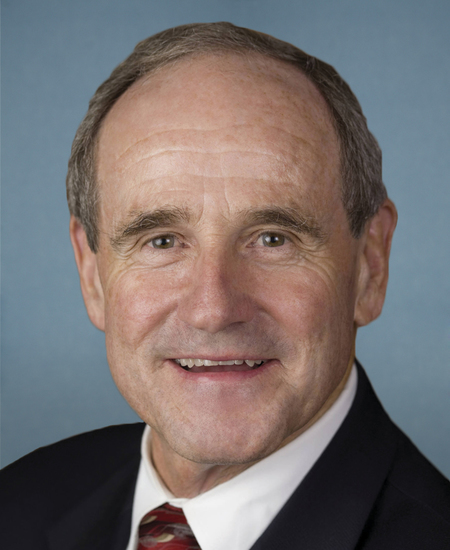
Sen. James E. Risch
Sponsored bills
Maddy summaryS 1458 establishes a temporary program to help small businesses in specific industries - like retail, healthcare, construction, and manufacturing - purchase cybersecurity services. The Small Business Administration will create a free online marketplace where businesses can jointly buy cybersecurity products from approved vendors. The program expires on September 30, 2024, and requires a separate study on federal cybersecurity training initiatives for small businesses. This bill provides a purchasing tool but does not impose new regulations or alter existing cybersecurity standards.
Maddy summaryThe SPUR Act (S 1456) streamlines oil, gas, and mineral development on federal lands by requiring quarterly onshore oil and gas lease sales, allowing states to assume permitting authority for these activities, and limiting environmental review delays for energy projects. The bill reduces royalty rates for oil and gas leases to a minimum of 12.5 percent during its 5-year implementation period, prohibits the President from delaying energy leasing without congressional approval, and expedites LNG export approvals with a 45-day decision deadline. It directly affects oil and gas companies seeking permits, state governments that may take over permitting authority, and federal agencies like the Bureau of Land Management. The legislation aims to increase domestic energy production by making federal leasing and permitting processes faster and more predictable.
Maddy summaryThis bill establishes U.S. policy to strengthen economic, security, and democratic partnerships across the Western Hemisphere with democratic nations (excluding Cuba, Nicaragua, and Venezuela). It directs the State Department to support collaborative efforts including security training for law enforcement, cybersecurity partnerships, reducing trade barriers, and anti-corruption initiatives. Key provisions require improving border security, disrupting transnational crime networks, expanding digital connectivity, and promoting transparent energy markets. The bill focuses on concrete policy actions like enhancing regional cybersecurity cooperation, streamlining customs processes, and strengthening democratic institutions through technical assistance.
Maddy summaryThis bill reforms the eligibility rules for countries seeking U.S. development aid through the Millennium Challenge Corporation (MCC). It updates the income threshold requirement to align with World Bank graduation criteria and clarifies that presidential waivers of aid restrictions (like those under the Foreign Assistance Act) do not disqualify a country from becoming a "candidate country." The Board of the MCC will now determine eligibility based on these revised rules. This directly affects low-income countries aiming to receive U.S. economic assistance via the MCC program.
Maddy summaryThis bill, S 682 (PARTNER with ASEAN Act), establishes U.S. policy to strengthen the 2022 U.S.-ASEAN Comprehensive Strategic Partnership. It directs the U.S. to enhance cooperation with ASEAN through regular high-level engagement, support ASEAN’s inclusion of Timor-Leste as an observer, and encourages establishing an ASEAN delegation in the U.S. The bill also proposes extending existing diplomatic immunity protections to ASEAN under U.S. law. As a policy resolution, it does not create new programs or funding but sets direction for U.S. diplomatic engagement with ASEAN.
Maddy summaryThis Senate resolution designates April 2023 as "Financial Literacy Month" to raise public awareness about the importance of personal financial education and the consequences of financial illiteracy. It cites statistics showing widespread challenges, including 4.5% of U.S. households being unbanked, high credit card debt (47% of adults), and limited school-based financial education (only 23 states require personal finance courses). The resolution calls on federal, state, local, schools, nonprofits, and businesses to observe the month with educational programs. It does not create new laws or funding but aims to highlight existing financial literacy gaps affecting all Americans.
Maddy summaryThis bill protects airport sponsors (like public airports or joint-use facilities) from federal environmental liability claims related to PFAS chemicals used in firefighting foam. It specifically exempts them from costs under the federal environmental law (CERCLA) if the PFAS release resulted solely from using the foam as required by the FAA for safety compliance and following FAA guidelines. The exemption does not apply if the airport sponsor acted with gross negligence or willful misconduct in using the foam. This law directly affects airports that use FAA-mandated firefighting foam but does not shield them from liability for reckless conduct.
Maddy summaryThis bill protects public water systems, wastewater treatment facilities, and related entities from liability under federal environmental law for PFAS releases, provided they follow all applicable laws during treatment or disposal. It exempts these "protected entities" from cost-recovery claims under CERCLA when handling PFAS in ways consistent with existing water treatment practices, such as managing biosolids, discharging treated water, or disposing of filter media. The exemption does not apply if a facility acts with gross negligence or willful misconduct in handling PFAS. This directly affects water utilities and municipalities managing PFAS-contaminated water or byproducts under current federal and state regulations.
Maddy summaryS 1435 requires the Bureau of Land Management (BLM) Director to withdraw the proposed "Conservation and Landscape Health" rule (88 Fed. Reg. 19583, April 3, 2023). The bill prohibits the BLM from finalizing, implementing, or enforcing this specific rule or any substantially similar rule. This directly affects the BLM’s regulatory process by halting a proposed conservation policy related to landscape health management.