

Maddy summaryThis resolution (SRES 240) affirms that diversity, equity, inclusion, and accessibility are core U.S. values and emphasizes the need to address ongoing discrimination across multiple sectors. It directly affects workplaces, K-12 and higher education systems, healthcare, housing, government programs, and the military by citing data on persistent inequities - such as racial disparities in housing discrimination, wage gaps, and underrepresentation in leadership. The resolution does not create new laws but encourages federal, state, and local entities to adopt inclusive policies and remove barriers to opportunity. It references evidence from agencies like the Department of Housing and Urban Development and the Equal Employment Opportunity Commission to support its focus on systemic discrimination. The Senate calls for promoting environments where all individuals can achieve their full potential.
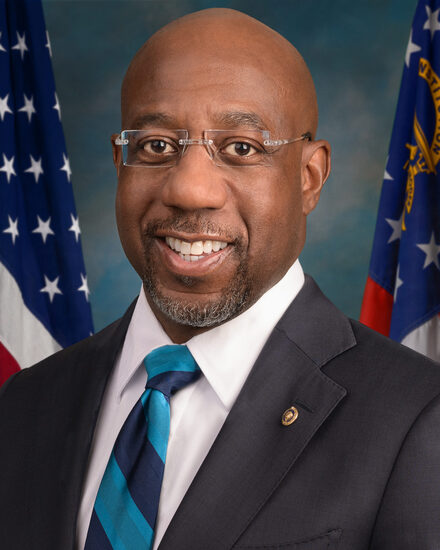
Sen. Raphael G. Warnock
Sponsored bills
Maddy summaryThe DRIVE Act of 2025 updates how the Department of Veterans Affairs reimburses veterans for using personal vehicles for VA-related travel. It requires the VA to set mileage reimbursement rates equal to or higher than the federal government’s standard rate for employee travel (currently 41.5 cents per mile), replacing the fixed rate in current law. The bill also mandates that veterans receive these reimbursements within 90 days of submitting a valid claim. This directly affects veterans who travel for VA appointments or services using their personal vehicles.
Maddy summaryThis bill increases the monthly special pension for living Medal of Honor recipients from $1,406.73 to $8,333.33 under Title 38, U.S. Code. It directly affects current living recipients of the Medal of Honor, who are recognized for extraordinary military valor. The key provision amends the existing pension rate to reflect a substantial financial adjustment for these veterans. Surviving spouses' pension amounts remain unchanged at $1,406.73, as specified in the bill. The change aims to better honor recipients' service and sacrifice through enhanced financial support.
Maddy summarySRES 236 is a non-binding Senate resolution condemning Russia’s abduction and forced transfer of Ukrainian children, citing over 19,500 confirmed cases as of April 2025. It urges that all Ukrainian children abducted by Russia be returned before any peace agreement is finalized, emphasizing this as a prerequisite for a just resolution to the war. The resolution references Russia’s changed adoption laws, violations of international treaties, and documented human rights abuses against children in occupied territories. It does not create new law but formally expresses the Senate’s position on this issue.
Maddy summaryThe Supreme Court Ethics, Recusal, and Transparency Act of 2025 would establish a formal code of conduct for Supreme Court justices and require them to disclose gifts and financial interests. It creates procedures for filing complaints about justices' conduct, including a judicial investigation panel to review allegations of misconduct. The bill expands circumstances requiring justices to recuse themselves from cases, such as when they or their family received gifts from parties involved in a case. These provisions aim to increase transparency and accountability in the Supreme Court's operations, with new disclosure requirements for parties and amici curiae in court cases.
Maddy summaryThis bill requires Medicare Advantage plans to implement electronic prior authorization systems by 2028 and report detailed transparency data starting in 2027. Plans must publicly disclose approval/denial rates, average processing times (including for appeals), technology use, and other metrics for covered medical services. It mandates 24-hour response standards for expedited requests and routinely approved services, with data collection to analyze access patterns and potential disparities in rural/low-income communities. These changes directly affect Medicare Advantage plans, providers, and seniors enrolled in these plans by standardizing and increasing visibility into prior authorization processes.
Maddy summaryThis bill reauthorizes funding for existing mental health support programs designed to assist law enforcement officers experiencing crisis. It extends the authorization period for these programs from 2020-2024 to 2025-2029 under Section 1001(a)(21) of the 1968 Omnibus Crime Control and Safe Streets Act. The bill directly affects law enforcement officers who access these crisis support services, ensuring continued availability of the established program. It does not create new programs but maintains current funding for existing mental health treatment and support resources for officers.
Maddy summaryS 180, the Protecting First Responders from Secondary Exposure Act of 2025, requires the federal government to provide training and resources for first responders on using containment devices to prevent accidental exposure to fentanyl and other dangerous substances. It mandates the purchase of these containment devices for first responder use. The bill amends existing law (34 U.S.C. 10701(a)) by adding a new provision (paragraph (4)) that specifically addresses this safety measure. This directly affects police, firefighters, and emergency medical personnel who may encounter fentanyl during their duties. The key mechanism is the federal funding and requirement for both training and procurement of protective equipment.
Promoting Access to Diabetic Shoes Act This bill allows a nurse practitioner or physician assistant to fulfill documentation requirements for coverage, under Medicare, of special shoes for diabetic individuals. Under current law, such requirements may be satisfied only by a physician.
Maddy summaryThe TAKE IT DOWN Act requires major social media platforms and websites hosting user-generated content to establish a 48-hour removal process for nonconsensual intimate visual depictions (including deepfakes) upon verified request. It defines "nonconsensual intimate visual depictions" as images or videos of identifiable people shared without consent, with criminal penalties for sharing such content with intent to cause harm. The law exempts law enforcement activities, medical purposes, and content shared for legitimate educational reasons. Platforms must remove these materials quickly but are protected from liability if they act in good faith. This law directly affects social media companies and individuals whose intimate images are shared without consent.