Maddy summaryHR 4802, the Securing Infrastructure from Adversaries Act of 2025, bans the use of federal funds for certain foreign-made LiDAR technology in transportation projects. It prohibits the Secretary of Transportation from procuring, obtaining, or contracting for LiDAR technology from specified "covered foreign countries," "covered LiDAR companies," or "covered LiDAR technology" starting June 30, 2026. Contractors must certify they will not use banned technology, and the Secretary may grant limited waivers for national security reasons, requiring congressional notification. This directly affects transportation infrastructure projects funded by the Department of Transportation, including grants and contracts.
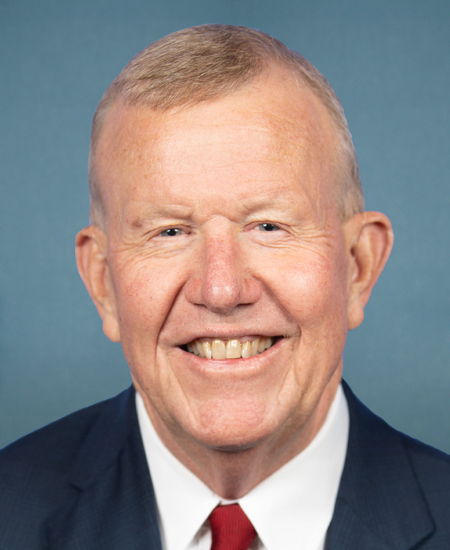
Rep. Mike Ezell
Sponsored bills
Maddy summaryThis bill requires the Army Corps of Engineers (acting through the Chief of Engineers) to improve coordination for maintenance dredging contracts. It mandates consulting stakeholders and prioritizing dredging in waters used for commercial navigation, emergencies, environmental timing windows, or national interests over recreational or non-essential uses. The bill also requires the Corps to notify local project partners within three business days of any changes affecting contract timelines and to provide capability numbers for dredging activities upon request. These provisions directly affect commercial ports, navigation infrastructure, and local entities partnering with the federal government on dredging projects.
Maddy summaryThe Fisheries Data Modernization and Accuracy Act of 2025 reforms how recreational fishing data is collected and used by the National Marine Fisheries Service. It establishes a standing committee with the National Academies to advise on data collection methods, sets a 30% threshold for data reliability (percent standard error), and requires consultation when data falls below this level. States can develop their own data collection programs that may replace federal MRIP data when they meet specific standards, and the bill creates a grant program to help states improve their systems. The bill requires annual reports on implementation and data quality improvements, affecting recreational fishing management across all coastal states and federal fisheries agencies.
Maddy summaryHR 1514 establishes the Mississippi River Basin Fishery Commission within the Department of the Interior to coordinate management of interjurisdictional fisheries across 31 U.S. states, two Canadian provinces, federal agencies, and tribal nations. The Commission oversees six sub-basin management plans, develops strategies to control invasive carp (like bighead and silver carp), and administers grant programs for conservation projects. It provides $30 million annually (2027-2029) and $50 million annually (2030-2032) to fund collaborative efforts, with grants prioritizing projects aligned with the existing MICRA Joint Strategic Plan. The Commission’s authority is nonbinding, requiring consensus among member entities but not overriding state or federal management laws.
Maddy summaryHR 6044, the Pay Our Patriots Act, ensures military personnel and essential Federal Aviation Administration (FAA) staff continue receiving pay during a government shutdown. It appropriates funds from the Treasury to cover "covered pay and allowances" for active-duty military members and specific FAA employees (like air traffic controllers) deemed essential for air safety during any lapse in regular appropriations. The bill mandates that payments be made at the rate in effect before the shutdown began, with funds immediately available and not subject to reductions. This funding continues until either a new appropriations bill is passed or the end of the fiscal year in which the shutdown began.
Maddy summaryHR 6029 amends the Bank Secrecy Act to exempt cash reward payments by nonprofit crime stopper organizations from currency transaction reporting requirements. Specifically, it directs the Treasury Secretary to exempt transactions between a bank and a crime stopper organization when the payment is for a cash reward offered for crime information. This change would eliminate the need for banks to file currency transaction reports for these specific payments. The exemption applies only to nonprofit organizations operating as crime stopper programs that provide cash rewards for crime tips.
Maddy summaryHRES 864 is a ceremonial resolution honoring U.S. veterans on Veterans Day 2025. It does not create new laws or policies but formally recognizes veterans' service and sacrifice, calling on all Americans to observe Veterans Day. The resolution references historical context about Veterans Day's origins (from Armistice Day to honoring all veterans) but contains no concrete policy changes. It directly addresses the general public, urging them to participate in the observance. As a non-binding resolution, it affects no specific individuals or groups through legislative action.
Maddy summaryThis bill ensures that critical firearm-related government operations continue during federal shutdowns. It designates background checks (via the FBI's National Instant Criminal Background Check System), Bureau of Alcohol, Tobacco, Firearms and Explosives enforcement, and firearm export licensing (handled by Commerce and State Departments) as essential services that must remain operational. These functions would be treated as "excepted" under federal law, meaning their employees would continue working even if other government services halt. The bill affects how background checks and firearm export licenses are processed during shutdowns but does not change gun ownership laws or eligibility.
Maddy summaryThis bill extends the Digital Coast program through 2030, amending the existing Digital Coast Act. It requires NOAA to make coastal data "fully and freely available" (not just accessible) and explicitly includes underground infrastructure data in the types of information collected. The changes directly affect NOAA, which manages the program, and entities relying on its coastal data for planning and development. The bill focuses on updating program requirements rather than creating new policies.
Maddy summaryThis bill extends the National Flood Insurance Program (NFIP) through December 31, 2026, by amending key deadlines in the law. It directly affects homeowners and property owners in flood-prone areas who rely on NFIP insurance policies. The bill changes the program's funding expiration date from September 30, 2023, to December 31, 2026, and adds a retroactive provision ensuring the extension applies as if effective September 30, 2025, if enacted after that date. This provides continued access to federally backed flood insurance without immediate disruption.