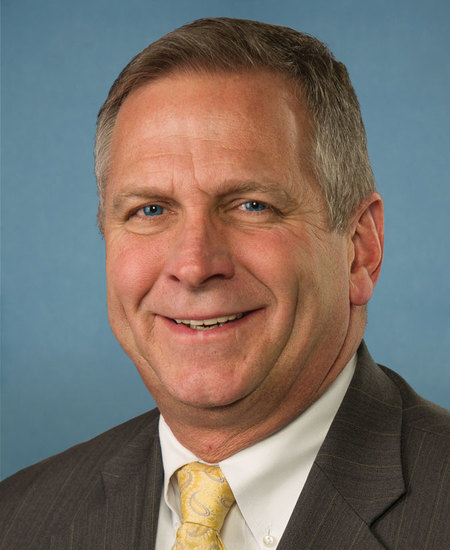
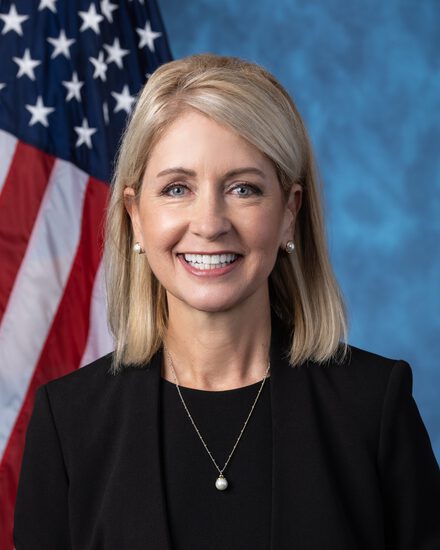
The English Language Proficiency Act removes specific exceptions that currently allow certain immigrants to bypass the naturalization requirement of understanding U.S. history, government, and English language skills. By amending the Immigration and Nationality Act, the bill eliminates these exemptions, meaning more applicants must now demonstrate proficiency in these areas to become citizens. This change directly impacts immigrants who previously qualified for waivers based on factors such as age, education, or length of residence in the United States. The legislation aims to standardize the naturalization process by ensuring a consistent set of requirements for all applicants seeking citizenship.
The Protecting Students from Worthless Degrees Act restricts federal funding for colleges that offer programs preparing students for licensed professions unless those programs guarantee licensure eligibility in the student's specific state and provide required clinical or internship placements. To prevent low-earning degrees, the bill mandates that programs must maintain a debt-to-earnings ratio below 8 percent and a discretionary debt-to-earnings ratio below 20 percent, with institutions barred from enrolling students in non-compliant programs for up to three years. Additionally, the legislation requires colleges to clearly warn students if a program does not meet the educational prerequisites for practicing a profession in the state where the student lives. Finally, the act enforces stricter rules on distance learning by requiring schools to be legally authorized in every state where their online students reside, unless covered by a specific reciprocity agreement between states.
The Less Bureaucracy, Better Family Engagement Act transfers several federal programs related to family engagement and school safety from the Department of Education to the Department of Health and Human Services. These programs include funding for family engagement initiatives, community support for school success, school safety activities, and ready-to-learn programming grants. The bill mandates that the new department head can delegate these responsibilities to specific staff members while ensuring that the total number of federal employees does not increase. Existing grants, contracts, and legal proceedings involving these programs will continue without interruption during the transition, which is scheduled to take effect six months after the law is passed.
This resolution seeks to impeach Linda M. McMahon, the Secretary of Education, for three specific articles of misconduct: willfully violating federal laws, making false statements to Congress, and breaching the public trust. The bill alleges that McMahon illegally transferred the operations of six essential offices within the Department of Education to other federal agencies without congressional approval, contrary to the Department of Education Organization Act. It also claims she misled the Senate by promising to spend all congressionally appropriated funds while simultaneously canceling hundreds of grants and freezing funding for various educational programs. Additionally, the resolution accuses her of terminating approximately 2,000 employees, which disrupted the department's ability to manage federal funds and deliver services. If the House votes to adopt this resolution, the articles of impeachment would be sent to the Senate for a trial that could result in her removal from office.
The Keep Public Funds in Public Schools Act of 2026 eliminates a federal tax credit that allowed parents to deduct contributions to scholarship granting organizations from their income. By removing these specific tax breaks, the bill prevents the use of public tax dollars to support private school vouchers and scholarship programs. This change directly affects families who currently rely on these tax incentives to fund education outside the public school system. The provisions take effect for taxable years beginning after December 31, 2026.
This joint resolution seeks to officially reject a final rule issued by the Department of Education regarding federal student loan programs. If passed, the measure would prevent the new regulations from taking effect, leaving the previous rules in place. The bill directly impacts borrowers, lenders, and the Department of Education by nullifying the specific changes outlined in the "Reimagining and Improving Student Education" proposal. It is a procedural action that uses the Congressional Review Act to disapprove the agency's policy without altering the underlying law.
This bill, titled the "Keep Public Funds in Public Schools Act," repeals two sections of the Internal Revenue Code. It eliminates Section 25F, which provides a tax credit for contributions made to scholarship granting organizations. Additionally, the bill repeals Section 139K, which allows certain educational assistance to be excluded from an individual's gross income. These changes primarily affect taxpayers who currently claim these credits or exclusions, and organizations involved in scholarship grants or providing educational assistance. The amendments generally take effect for taxable years ending after December 31, 2026.
This joint resolution seeks to reject a specific rule issued by the Department of Education concerning the William D. Ford Federal Direct Loan Program. If passed, it would nullify the rule and prevent it from taking effect, directly impacting federal student loan policies. The measure uses a congressional disapproval process under Title 5 of the United States Code to override the department's regulatory decision. It does not create new policies but instead stops an existing proposed regulation from being implemented.
This bill seeks to block a specific rule issued by the Department of Education that affects the William D. Ford Federal Direct Loan Program. If passed, it would prevent the rule from taking effect, meaning the proposed changes to federal student loans would not be implemented. The measure uses a legislative process known as a joint resolution of disapproval to override agency regulations. It directly impacts students, families, and institutions that rely on federal student loans by stopping the Department of Education from enforcing the new policy.
HR 1862, the English Language Unity Act of 2025, designates English as the official language of the U.S. federal government. It requires all official government functions - such as laws, regulations, and public proceedings - to be conducted in English, with key exceptions including language teaching, disability education, national security, public health, census activities, and victim rights. The bill also mandates that naturalization applicants demonstrate English reading comprehension of foundational U.S. documents like the Declaration of Independence and Constitution, with ceremonies conducted in English. These provisions apply to federal operations, not state governments or private sector policies, and explicitly preserve existing protections for Native American languages and the right to learn other languages.