Maddy summaryHR 484, the Natural Gas Tax Repeal Act, repeals Section 136 of the Clean Air Act, which established a methane emissions and waste reduction incentive program for natural gas systems. This directly affects natural gas operators who previously participated in the program by ending their eligibility for associated incentives. The bill also rescinds any unobligated funds allocated under that program before its repeal. The change removes a federal requirement for the industry to reduce methane emissions through this specific incentive mechanism.
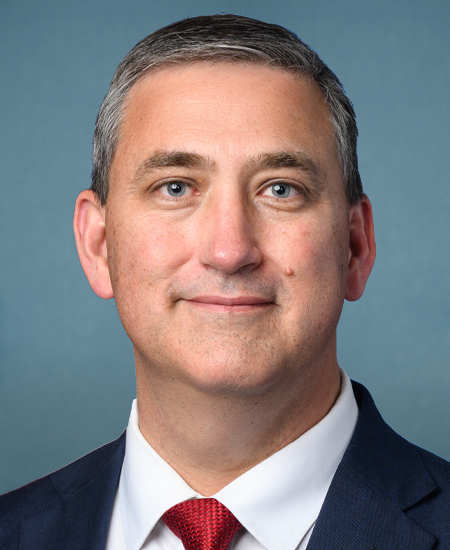
Rep. Nathaniel Moran
Sponsored bills
Ensuring American Voters Act of 2023 This bill prohibits states from registering an individual to vote in federal elections unless the individual provides documentary proof of U.S. citizenship.
Maddy summaryHCONRES 3 is a non-binding congressional resolution expressing support for pro-life facilities, groups, and churches targeted by vandalism and threats following the Supreme Court's Dobbs decision. It condemns specific incidents like graffiti, window-smashing, and arson at pregnancy centers and churches (e.g., in Frederick, MD, and Portland, OR), while recognizing the role of these organizations in supporting pregnant women. The resolution calls on the Biden Administration to use law enforcement to protect these facilities but does not create new laws or policies. As a symbolic measure, it has no legal effect on the incidents described.
This resolution declares that every state within the United States has the sovereign right to exclude any person who does not have the right to be there. It also declares that the states along the southern border (1) are being invaded by terrorists, narco-terrorist cartels, and criminal actors; and (2) have the sovereign and unilateral authority to defend themselves against such an invasion.
Maddy summaryThis bill blocks federal funding for colleges that operate or partner with campus health clinics providing abortion drugs or abortions to students or staff. It requires institutions receiving federal funds to annually certify that no such services are offered at their on-campus clinics. The law specifically excludes hospital-based clinics from coverage and defines "abortion drugs" as medications intended to terminate pregnancy (excluding specific medical exceptions). It directly affects public and private colleges receiving federal aid, as most institutions of higher education qualify for such funding.
Maddy summaryThis bill renames a U.S. Postal Service facility at 620 East Pecan Boulevard in McAllen, Texas, as the "Agent Raul H. Gonzalez Jr. Memorial Post Office." It updates all federal references to the location to reflect this new name. The bill has no policy impact - it is purely a ceremonial designation honoring an individual. No other provisions or affected groups are involved.
Life at Conception Act This bill declares that the right to life guaranteed by the Constitution is vested in each human being at all stages of life, including the moment of fertilization, cloning, or other moment at which an individual comes into being. Nothing in this bill shall be construed to authorize the prosecution of any woman for the death of her unborn child.
No Taxpayer Funding for the World Health Organization Act This bill prohibits the United States from providing any assessed or voluntary contributions to the World Health Organization.
Securing America's Land from Foreign Interference Act This bill requires the President to take actions as necessary to prohibit members of the Chinese Communist Party (and entities owned, controlled, or influenced by the party) from purchasing real estate located in the United States.
Maddy summaryHJRES 8 proposes a constitutional amendment to permanently set the Supreme Court's size at nine justices. The bill would require any future changes to the Court's composition to follow this specific number, locking in the current structure. It does not alter the existing Court size (which has been nine since 1869) but aims to prevent future adjustments through legislative action. The amendment must be ratified by three-fourths of state legislatures within seven years to take effect. This is a procedural proposal focused on constitutional structure, not a direct policy affecting citizens or programs.