

Maddy summaryThis bill expands federal civil commitment laws to allow the long-term detention of individuals deemed a danger to public safety, specifically targeting those with serious mental illnesses who engage in certain behaviors. It directly affects homeless individuals with mental health conditions by requiring officials to evaluate them for involuntary commitment if they commit crimes like burglary, drug distribution in public, or prolonged outdoor living. The legislation defines "urban camping" and "urban squatting" as specific offenses that, when combined with a serious mental illness, can lead to mandatory certification for continued confinement. By amending existing statutes, the act aims to address public safety concerns related to mental illness and homelessness through a legal framework that prioritizes institutionalization over other forms of care or release.
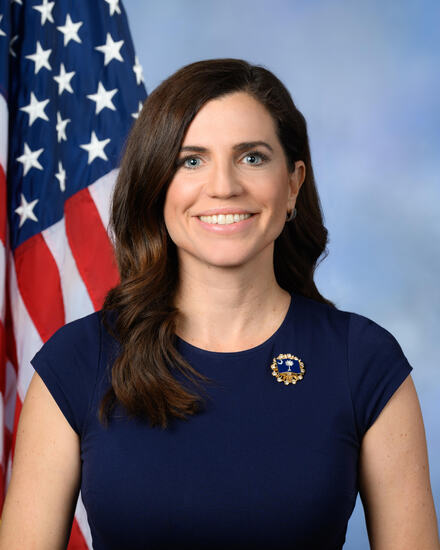
Rep. Nancy Mace
Sponsored bills
Maddy summaryThe Congressional Pension Integrity Act of 2026 prohibits Members of Congress from receiving annuity or retired pay based on their service if they are convicted of specific offenses committed while in office. The bill adds a new section to federal law that bars pension payments for individuals convicted of crimes including rape, sexual assault, sexual abuse of a minor, certain sex trafficking offenses, crimes of violence, and various federal crimes related to bribery, elections, theft, fraud, and obstruction of justice. Additionally, the legislation allows for denial of pension benefits if the House of Representatives determines that a Member engaged in sexual misconduct with an officer or employee under their supervision. These provisions apply to current and former Members and their survivors, with the ban taking effect for the Congress following the bill's enactment.
Maddy summaryThe FISH Act of 2025 establishes a public "IUU vessel list" of foreign fishing vessels, fleets, and their beneficial owners engaged in illegal, unreported, or unregulated fishing or fishing involving forced labor. It prohibits listed vessels from accessing U.S. ports, using U.S. port services, or having their seafood imported into the United States. The bill requires the Secretary of Commerce to develop procedures for adding vessels to the list based on clear evidence, including information from international organizations or U.S. authorities. It also authorizes sanctions against entities involved in IUU fishing or forced labor practices in the fishing industry, aiming to prevent seafood from illegal fishing operations from entering U.S. commerce.
Equal Representation Act This bill requires that the statement sent by the President to Congress after the decennial census indicating the number of persons in each state exclude noncitizens. (This statement is the basis for reapportionment of U.S. Representatives.) The bill also requires any questionnaire used in the decennial census to include a checkbox or other similar option for respondents to indicate whether the respondent and each household member is (1) a U.S. citizen, (2) a U.S. national but not a citizen, (3) a non-U.S. national ( alien under federal law) lawfully residing in the United States, or (4) a non-U.S. national unlawfully residing in the United States. The Department of Commerce must make public the number of persons in each state, disaggregated by each of these four categories.
Maddy summaryThis House Resolution proposes to expel Representative Cory Mills from the United States House of Representatives. The resolution cites multiple alleged instances of misconduct as grounds for expulsion, directly affecting Representative Mills and his ability to hold his seat. Key provisions detail allegations of domestic assault, a Florida court-issued injunction for protection against dating violence, and potential violations of House ethics rules regarding federal contracts held by companies he owns. Additionally, the resolution raises questions about the veracity of his military service record, including a Bronze Star award and claims about his unit and training.
Maddy summaryThe DEPORT Act of 2026 proposes changes to U.S. immigration law regarding terrorism-related offenses. It would require all naturalization applicants to attest under oath that they have not committed, have charges pending for, or intend to commit specific terrorism-related crimes. The bill also establishes new procedures for denaturalizing U.S. citizens, allowing convictions or credible evidence of these offenses to be used as grounds for revoking citizenship, with certain presumptions of illegal procurement. Furthermore, it would make individuals convicted of such offenses inadmissible to the U.S., deportable if denaturalized, ineligible for most immigration benefits, and permanently barred from future admission. These provisions directly affect naturalization applicants, naturalized citizens, and aliens seeking admission or other immigration benefits.
Maddy summaryHR 8337, the Buy American Seafood Act, mandates that federal agencies procure seafood for various government food programs exclusively from domestic sources. This requirement applies to programs such as emergency food assistance, Department of Defense food services, and school lunch and breakfast programs, directly impacting federal procurement and the domestic seafood industry. Seafood must be harvested in the U.S. by a U.S.-flagged vessel, or produced and processed domestically through aquaculture or local facilities. Agencies can obtain a waiver if the Secretary of Agriculture determines U.S.-produced seafood is insufficient or doesn't meet safety standards, but these waivers must be publicly reported to Congress.
Maddy summaryThis bill, titled the Trump Accounts for All Generations Act, makes a specific program related to "Trump accounts" permanent and adjusts its contribution limits. It directly affects individuals who contribute to these accounts by altering their long-term availability and value. The legislation permanently extends the "Trump accounts" contribution program by removing its scheduled expiration date of January 1, 2029. Furthermore, it introduces an annual inflation adjustment for the program's $1,000 contribution amount, beginning in taxable years after 2028. The bill also removes the word "pilot" from the program's title and related sections of the tax code, formally establishing it as an ongoing program.
Maddy summaryHR 8295, the Protecting Families from Fertility Fraud Act of 2026, creates a new federal crime for knowingly misrepresenting the nature or source of DNA used in assisted reproductive technology or assisted insemination. This directly affects fertility clinics, practitioners, and patients undergoing such procedures. Individuals found guilty could face up to 10 years in prison, a fine, or both. The bill defines federal jurisdiction for these offenses, primarily involving interstate commerce, and extends the statute of limitations to 10 years after identification through DNA testing. It also adds this new crime to the list of "racketeering activities" under federal law.
Maddy summaryThe VAMOSA Act of 2025 requires the Department of Veterans Affairs (VA) to establish a comprehensive policy for managing all software assets it uses or licenses, including commercial software, SaaS, and cloud services. Key provisions mandate maintaining a detailed software inventory, regularly checking for waste or duplicate purchases by comparing inventory against procurement records, adopting cost-effective licensing strategies, and providing annual employee training on software management. The policy must be updated every three years, with annual reports to Congress detailing policy changes and cost savings achieved. The bill specifies implementation using existing VA resources (no new funding or staff), and the requirements expire five years after enactment.