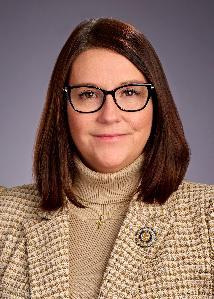
This law establishes a new Idaho Rural Health Transformation Fund to manage federal grant money aimed at improving healthcare access in rural areas. It creates a nine-member committee to oversee how these funds are spent, ensuring projects meet specific goals and produce long-term sustainability plans. The bill also directs the Department of Health and Welfare to hire additional staff and provides nearly $300 million in funding for the 2027 fiscal year to support indirect support services. Additionally, it requires the state to report on efforts to expand the job scope for physician assistants and dental hygienists as part of the broader rural health strategy.
This bill appropriates $35.6 million to Idaho's Department of Health and Welfare for public health services in fiscal year 2027, while simultaneously reducing funding for laboratory services and health care policy initiatives. It also decreases the number of authorized full-time equivalent positions by three and mandates several reports on program outcomes, vaccine utilization, and immigration status for HIV prevention services. Although the bill was signed by the President, the Governor exercised a line-item veto on the section reducing funds for the Health Care Policy Initiatives Program.
This bill requires legislative approval for the Idaho Department of Health and Welfare to adjust Medicaid payment rates for Federally Qualified Health Centers and Rural Health Clinics when their scope of services changes. It establishes a process where clinics must notify the department 60 days before implementing service changes and submit a rate adjustment application after six months of full implementation, requiring a minimum 4.5% cost increase to qualify. The legislation sets specific timelines for department review and allows clinics to appeal final rate decisions, while also repealing certain existing administrative rules effective October 1, 2026.
This bill allocates $900,000 in state funding to the State Board of Education and the University of Idaho Board of Regents to support health education programs for fiscal year 2027. The money is designated for specific medical residency and fellowship programs, including positions for Eastern Idaho, Family Medicine, and University of Utah medical education. Additionally, the bill authorizes two and a half new full-time equivalent positions and directs that 15 new graduate medical education residencies and fellowships be funded through the Rural Health Transformation Program. If those specific funds become available, unused general fund money originally set aside for graduate programs will instead be used to create new undergraduate medical education seats. The legislation takes effect on July 1, 2026, and requires a compliance report to be submitted to the state legislature by December 1, 2026.
This bill expands Medicaid eligibility in Idaho to include adults under 65 with incomes at or below 133% of the federal poverty level who currently lack other coverage. It requires the state to submit necessary plan amendments to the federal government within 90 days and ensures eligibility is not delayed while waiting for federal approval. The legislation includes provisions to maintain federal funding levels and requires a review of the program if federal support decreases, while also mandating community engagement requirements by December 2026 before enrollment becomes effective.
This Idaho bill requires health insurance companies to allow patients to pay discounted cash prices for covered medical services directly to providers. When patients pay these negotiated lower prices out of pocket, the amounts count toward their insurance deductibles and annual out-of-pocket limits, provided they submit proof to their insurer. The law applies to most health plans but excludes specific types like Medicaid, Medicare supplements, dental, vision, and short-term insurance. It also ensures providers accept the cash payment as full payment and cannot bill patients or insurers for additional amounts.
This bill appropriates state and federal funds to the Idaho Department of Health and Welfare and the State Independent Living Council for fiscal year 2027, covering programs like Medicaid, child welfare, mental health services, and substance abuse treatment. It establishes specific funding amounts for various divisions including youth safety, early learning, family partnerships, and benefit payments, while also limiting the number of authorized full-time equivalent positions. The legislation includes requirements for program integrity, monthly Medicaid tracking reports, and cost-sharing for certain services, and directs how specific funds must be used for initiatives like smoking cessation, opioid response, and rural physician incentives.
This bill directs Idaho state funding from the Millennium Income Fund for fiscal year 2027 toward substance abuse prevention and treatment programs, with a specific focus on youth under 18 and high-risk adults. It appropriates $150,000 to support community-based recovery centers in several cities, defining these centers as nonprofit organizations that provide free or low-cost recovery services at least 25 hours per week. The legislation also clarifies that Millennium Fund money cannot be used for Medicaid claims and establishes oversight requirements, including quarterly funding distributions and mandatory reporting to ensure funds are used properly. Additionally, the bill provides extra funding to various state agencies for children's trust programs, drug policy initiatives, and youth assessment centers.
This bill appropriates and adjusts funding for Idaho's Department of Health and Welfare's behavioral health services for fiscal years 2026 and 2027, directly affecting substance abuse treatment, mental health services, and psychiatric hospitalization programs. It allocates specific amounts from various state funds to personnel, operating expenses, and capital outlays for children's mental health, adult mental health, and state psychiatric hospitals, while also reducing certain appropriations from other designated funds. The legislation authorizes 15 additional full-time equivalent positions for the Division of Mental Health Services and allows those divisions to transfer money for personnel and benefit payments. Additionally, it requires the Department to submit a report on Idaho Behavioral Health Plan expenditures by December 1, 2026, and declares an emergency to make the funding changes effective immediately.
This concurrent resolution urges Idaho voters to reject the Idaho Medical Cannabis Act if it appears on the November 2026 ballot. The bill does not change any laws or create new programs; instead, it serves as a formal statement from the legislature expressing opposition to medical marijuana legalization. The resolution cites concerns about potential health risks, environmental damage, increased crime, and significant state budget costs associated with implementing a medical cannabis program. It also notes that the proposed act would allow home delivery of marijuana and does not require a doctor's prescription, which the legislature argues could lead to widespread recreational use.