

Issue · Transportation
Transportation (Electric Vehicles)
Every transportation bill, vote, and legislator stance in Hawaii, automatically classified by Maddy, our AI policy reader.
Total bills
57
2026 Regular Session
Top supporter
Darius Kila
100% support rate
Top opponent
Elijah Pierick
0% support rate
Ranked legislators
9
5 support · 4 oppose
Key legislators
Who's moving electric vehicles in Hawaii
| Legislator | Party | Stance | Support rate | Votes |
|---|---|---|---|---|

Darius Kila
House · District 44
|
D |
Strong +
|
100% | 5 |

Lisa Kitagawa
House · District 48
|
D |
Strong +
|
100% | 5 |

Luke Evslin
House · District 16
|
D |
Strong +
|
100% | 5 |

Tina Grandinetti
House · District 20
|
D |
Strong +
|
100% | 5 |

Tyson Miyake
House · District 10
|
D |
Strong +
|
100% | 5 |

Elijah Pierick
House · District 39
|
R |
Strong −
|
0% | 6 |

Brenton Awa
Senate · District 23
|
R |
Strong −
|
0% | 4 |

Samantha DeCorte
Senate · District 22
|
R |
Strong −
|
0% | 4 |
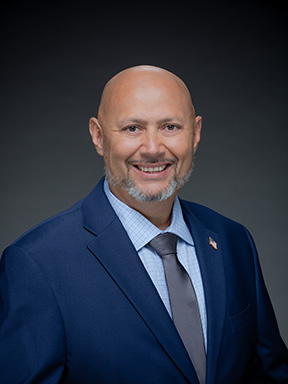
Chris Muraoka
House · District 45
|
R |
Strong −
|
20% | 5 |
Showing 1–10 of 57
bills
All transportation bills
HCR 201: RECOGNIZING THE PUBLIC HEALTH IMPACTS OF AIR POLLUTION FROM INTERNAL COMBUSTION ENGINE VEHICLES AND THE RISKS THAT TRAFFIC-RELATED AIR POLLUTION POSES TO COMMUNITIES ACROSS THE STATE AND AFFIRMING THE COMMITMENT TO TRANSITION TO CLEANER TRANSPORTATION CHOICES.
Topics
✓ EnergySupports EnergyBill affirms commitment to transitioning to cleaner transportation, reducing reliance on fossil fuel-powered internal combustion engines, aligning with renewable energy and clean energy goals.
✓ EnvironmentSupports EnvironmentBill acknowledges air pollution risks and affirms commitment to transitioning to cleaner transportation, aligning with environmental protection goals.
✓ HealthcareSupports HealthcareBill acknowledges health risks from air pollution and affirms commitment to cleaner transportation to improve public health outcomes.
✓ TransportationSupports TransportationBill affirms commitment to transitioning to cleaner transportation choices and reducing air pollution from vehicles, supporting sustainable transportation improvements.
SCR 101: URGING THE DEPARTMENT OF EDUCATION, IN COORDINATION WITH THE BOARD OF EDUCATION, TO DEVELOP A PLAN TO TRANSITION THE SCHOOL BUSES USED FOR PUBLIC TRANSPORTATION TO ELECTRIC BUSES TO EXPAND THE BENEFITS ALREADY DEMONSTRATED IN OTHER PLACES.
Topics
✓ EducationSupports EducationBill promotes infrastructure improvement for schools by transitioning to electric buses, enhancing air quality and operational efficiency for students and staff.
✓ EnergySupports EnergyBill promotes transition to electric school buses, advancing renewable energy adoption and reducing fossil fuel dependence in transportation.
✓ EnvironmentSupports EnvironmentBill promotes transition to electric school buses, reducing emissions and improving air quality, directly supporting environmental protection goals.
✓ TransportationSupports TransportationBill promotes transition to electric school buses, enhancing sustainable transportation and reducing emissions.
HCR 209: REQUESTING THE DEPARTMENT OF TRANSPORTATION TO ESTABLISH A FOSSIL FUEL SUBSIDY AND FARE-FREE TRANSIT FISCAL IMPACT WORKING GROUP TO IDENTIFY THE IMPACTS OF FOSSIL FUEL SUBSIDIES AND THE ECONOMIC, ENVIRONMENTAL, AND HEALTH IMPACTS OF STATEWIDE FARE-FREE PUBLIC TRANSPORTATION.
HR 191: RECOGNIZING THE PUBLIC HEALTH IMPACTS OF AIR POLLUTION FROM INTERNAL COMBUSTION ENGINE VEHICLES AND THE RISKS THAT TRAFFIC-RELATED AIR POLLUTION POSES TO COMMUNITIES ACROSS THE STATE AND AFFIRMING THE COMMITMENT TO TRANSITION TO CLEANER TRANSPORTATION CHOICES.
Topics
✓ EnergySupports EnergyBill promotes transition to cleaner transportation and addresses air pollution from internal combustion engines, supporting renewable energy and clean energy infrastructure goals.
✓ EnvironmentSupports EnvironmentBill acknowledges air pollution risks and affirms commitment to transitioning to cleaner transportation, indicating support for environmental protection.
✓ HealthcareSupports HealthcareBill acknowledges public health risks from air pollution and affirms commitment to cleaner transportation, indirectly supporting public health initiatives.
✓ TransportationSupports TransportationBill affirms commitment to transitioning toward cleaner transportation choices and addresses air pollution from vehicles, promoting sustainable transportation options.
SR 95: URGING THE DEPARTMENT OF EDUCATION, IN COORDINATION WITH THE BOARD OF EDUCATION, TO DEVELOP A PLAN TO TRANSITION THE SCHOOL BUSES USED FOR PUBLIC TRANSPORTATION TO ELECTRIC BUSES TO EXPAND THE BENEFITS ALREADY DEMONSTRATED IN OTHER PLACES.
Topics
✓ EducationSupports EducationBill promotes infrastructure improvement for schools by transitioning to electric buses, reducing emissions and operating costs, enhancing student transportation and safety.
✓ EnergySupports EnergyBill promotes transition to electric school buses, reducing emissions and fossil fuel dependence, aligning with renewable energy and energy efficiency goals.
✓ EnvironmentSupports EnvironmentBill promotes transition to electric school buses, reducing emissions and supporting clean energy goals.
✓ TransportationSupports TransportationBill promotes transition to electric school buses, enhancing sustainable transportation and reducing emissions.
SR 100: RECOGNIZING THE PUBLIC HEALTH IMPACTS OF AIR POLLUTION FROM INTERNAL COMBUSTION ENGINE VEHICLES AND THE RISKS THAT TRAFFIC-RELATED AIR POLLUTION POSES TO COMMUNITIES ACROSS THE STATE AND AFFIRMING THE COMMITMENT TO TRANSITION TO CLEANER TRANSPORTATION CHOICES.
Topics
✓ EnergySupports EnergyBill promotes transition to cleaner transportation and reduces reliance on internal combustion engines, aligning with clean energy goals.
✓ EnvironmentSupports EnvironmentBill affirms commitment to transitioning to cleaner transportation and reducing air pollution from internal combustion engines, directly supporting environmental protection.
✓ HealthcareSupports HealthcareBill affirms commitment to transitioning to cleaner transportation to improve air quality and protect public health, directly supporting healthcare by reducing pollution-related health risks.
✓ TransportationSupports TransportationBill promotes transition to cleaner transportation choices and addresses air pollution from vehicles, supporting sustainable transportation improvements.
HR 134: URGING THE DEPARTMENT OF EDUCATION, IN COORDINATION WITH THE BOARD OF EDUCATION, TO DEVELOP A PLAN TO TRANSITION THE SCHOOL BUSES USED FOR PUBLIC TRANSPORTATION TO ELECTRIC BUSES TO EXPAND THE BENEFITS ALREADY DEMONSTRATED IN OTHER PLACES.
Topics
✓ EducationSupports EducationBill promotes electric school buses to improve student safety, reduce emissions, and lower maintenance costs, enhancing school infrastructure and transportation.
✓ EnergySupports EnergyBill promotes transition to electric school buses, reducing fossil fuel dependence and advancing clean energy infrastructure.
✓ EnvironmentSupports EnvironmentBill promotes transition to electric school buses, reducing emissions and pollution, which directly supports environmental protection goals.
✓ TransportationSupports TransportationBill promotes electric school buses to reduce emissions and improve safety, advancing sustainable transportation infrastructure.
HR 112: REQUESTING THE DEPARTMENT OF TRANSPORTATION AND PUBLIC UTILITIES COMMISSION TO DEVELOP A FRAMEWORK TO REGULATE TRANSPORTATION NETWORK COMPANIES UNDER THE MOTOR CARRIER LAW.
Topics
✓ TechnologySupports TechnologyBill regulates ride-sharing companies for consumer protection, aligning with tech regulation for public safety and fairness.
✓ TransportationSupports TransportationBill establishes regulatory framework for transportation network companies under existing Motor Carrier Law, enhancing oversight and safety standards in transportation sector.
HCR 142: URGING THE DEPARTMENT OF EDUCATION, IN COORDINATION WITH THE BOARD OF EDUCATION, TO DEVELOP A PLAN TO TRANSITION THE SCHOOL BUSES USED FOR PUBLIC TRANSPORTATION TO ELECTRIC BUSES TO EXPAND THE BENEFITS ALREADY DEMONSTRATED IN OTHER PLACES.
Topics
✓ EducationSupports EducationBill improves school infrastructure by transitioning buses to electric vehicles, enhancing air quality and disaster response capabilities for students.
✓ EnergySupports EnergyBill explicitly promotes transition to electric school buses, advancing renewable energy adoption and reducing fossil fuel dependence in transportation.
✓ EnvironmentSupports EnvironmentBill promotes transition to electric school buses, reducing emissions and improving air quality, directly supporting environmental protection goals.
✓ TransportationSupports TransportationBill promotes transition to electric school buses, enhancing sustainable transportation and reducing emissions while improving air quality and disaster response capabilities.