Issue · Criminal Justice

Criminal Justice (Courts)

Every criminal justice bill, vote, and legislator stance in Hawaii, automatically classified by Maddy, our AI policy reader.

Total bills
46
2026 Regular Session
Top supporter
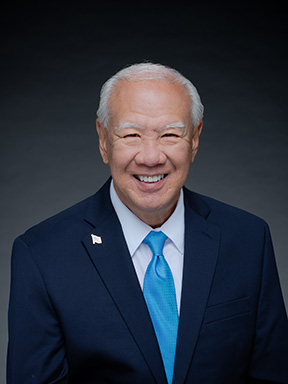
Gregg Takayama
100% support rate
Top opponent
Diamond Garcia
0% support rate
Ranked legislators
8
5 support · 3 oppose
Key legislators

Who's moving courts in Hawaii

Legislators moving courts in Hawaii
Legislator Party Stance Support rate Votes
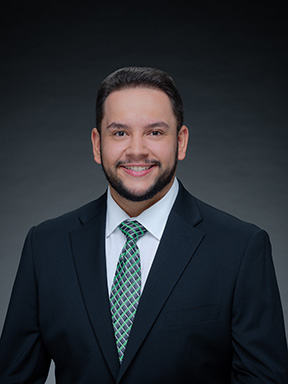
Gregg Takayama
Gregg Takayama House · District 34
D
Strong +
100% 9
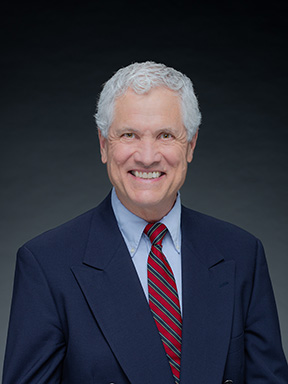
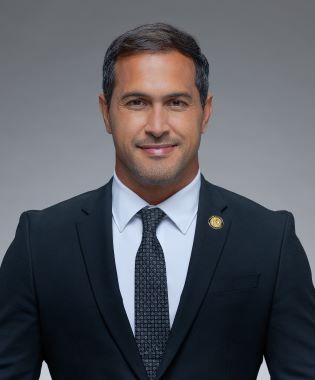
David Tarnas
David Tarnas House · District 8
D
Strong +
100% 8
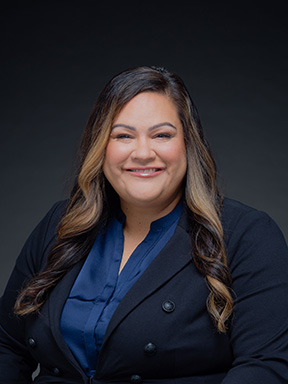
Mahina Poepoe
Mahina Poepoe House · District 13
D
Strong +
100% 8
Kirstin Kahaloa
Kirstin Kahaloa House · District 6
D
Strong +
100% 7
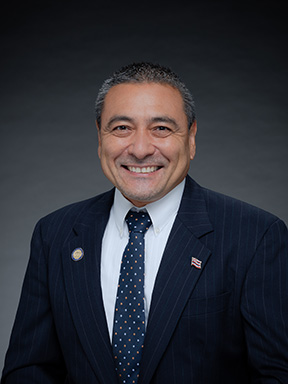
Mark Hashem
Mark Hashem House · District 19
D
Strong +
100% 6
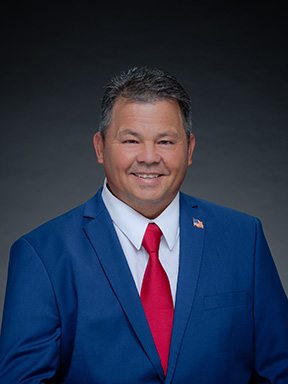
Diamond Garcia
Diamond Garcia House · District 42
R
Strong −
0% 11
Brenton Awa
Brenton Awa Senate · District 23
R
Strong −
0% 4
David Alcos
David Alcos House · District 41
R
Strong −
0% 3
Showing 1–10 of 46 bills

All criminal justice bills

introduced · Hawaii · Senate Jul 7, 2026

GM 1298: Informing the Legislature that on July 7, 2026, the Governor signed the following bill into law: SB2135 SD2 HD1 CD1 (ACT 196).

This bill, signed into law as Act 196, establishes a new felony offense in Hawaii for the nonconsensual sharing of intimate or private images, directly affecting individuals who distribute such content and those who become victims of image-based sexual abuse. The law criminalizes intentionally disclosing or threatening to disclose photos or videos of someone in a state of nudity or engaging in sexual conduct, as well as images depicting self-harm, when done to coerce the victim into performing acts, providing more images, engaging in sexual activity, paying money, or influencing family court cases. It specifically classifies this behavior as a class B felony and includes aggravating circumstances where the offender is an adult targeting a minor or vulnerable adult, or when the disclosure causes bodily injury or death to the victim.
Sub-Topics Courts
introduced · Hawaii · Senate Jun 26, 2026

GM 1254: Informing the Legislature that on June 25, 2026, the Governor signed the following bill into law: SB2108 SD1 HD2 CD1 (ACT 153).

This bill informs the Hawaii Legislature that Governor Josh Green signed Act 153 into law on June 25, 2026. The act modifies how family courts decide whether to transfer minors aged 14 or older to adult criminal court by updating the specific factors judges must consider during the process. It also mandates that family courts retain jurisdiction over a minor if clear evidence shows the child was trafficked, sexually abused, or raped by the alleged victim before or during the crime. Additionally, the law ensures that family courts keep authority over these minors for any future offenses that would normally fall under their jurisdiction.
Sub-Topics Courts
introduced · Hawaii · Senate Jun 26, 2026

GM 1251: Informing the Legislature that on June 25, 2026, the Governor signed the following bill into law: SB3073 SD1 HD1 CD1 (ACT 150).

This bill, signed into law as Act 150, updates Hawaii's rules for keeping biological evidence after a criminal conviction to address storage challenges caused by overly broad requirements. It limits mandatory retention to serious felony cases where the defendant's identity was genuinely disputed and DNA testing could help identify or exclude the perpetrator. For cases where the identity was not contested or biological material was unlikely, the bill allows law enforcement to dispose of evidence with court approval, even before all appeals are finished. Additionally, the law provides defendants a formal opportunity to object to the disposal of evidence and grants courts the authority to order retention under specific circumstances.
Sub-Topics Courts Law Enforcement
introduced · Hawaii · Senate Jun 26, 2026

GM 1265: Informing the Legislature that on June 26, 2026, the Governor signed the following bill into law: SB3083 SD2 HD2 CD1 (ACT 163).

This bill, signed into law by the Governor on June 26, 2026, requires that protective orders issued in Hawaii be shared with military security forces when the person subject to the order is a service member. The law mandates that court clerks send copies of these orders to local police and the appropriate military investigative divisions within 24 hours. Additionally, it establishes a requirement for local law enforcement to create verification systems and develop joint training programs with military branches to improve communication and response. These measures aim to enhance safety and accountability for victims of domestic violence involving military personnel while maintaining confidentiality and due process.
introduced · Hawaii · Senate Jun 5, 2026

GM 1189: Informing the Legislature that on June 5, 2026, the Governor signed the following bill into law: HB1962 HD2 SD1 (ACT 089).

This bill, signed into law as Act 089, updates Hawaii statutes to protect individuals alleging domestic abuse from being forced into mediation during family court cases. It applies to parentage, divorce, and child custody proceedings, ensuring that courts cannot require a victim to attend mediation against their wishes. Under the new rules, mediation can only proceed if the alleged victim explicitly agrees and if a specially trained mediator is used to ensure their safety. Additionally, mediators must screen for domestic abuse and cannot conduct sessions if abuse is suspected unless these safety conditions are met. The law also allows parties to bring an attorney or advocate to mediation sessions to support the alleged victim.
introduced · Hawaii · Senate Apr 29, 2026

GM 1106: Informing the Legislature that on April 28, 2026, the Governor signed the following bill into law: HB2089 (ACT 006).

This bill establishes a fixed sixty-day deadline for the Hawaii Supreme Court to decide whether to accept or reject applications for a writ of certiorari, replacing the current system where deadlines vary based on when parties file responses. The change directly affects the state's highest court by removing the need for staff to constantly adjust case timelines based on individual filing dates. By setting a uniform timeframe, the legislation aims to improve judicial efficiency and allow court resources to focus on reviewing legal issues rather than managing procedural deadlines. Additionally, the bill clarifies the timeline for filing initial applications and responses while maintaining provisions for limited extensions.
Sub-Topics Courts
introduced · Hawaii · Senate Apr 29, 2026

GM 1107: Informing the Legislature that on April 28, 2026, the Governor signed the following bill into law: HB2090 (ACT 007).

This bill, signed into law by the Governor of Hawaii on April 28, 2026, modifies state statutes regarding domestic abuse orders for protection. It allows courts to keep petition records confidential from the public upon request by the accused or the person being restrained, provided that law enforcement officers can still access these records without needing a separate court order. The changes apply to both temporary restraining orders and extended protective orders when they are denied by a judge. This legislation aims to balance privacy concerns with the need for law enforcement to have access to relevant case information.
passed both · Hawaii · House Apr 24, 2026

HCR 193: REQUESTING THE ESTABLISHMENT OF A COURT SECURITY AND DEPARTMENT OF LAW ENFORCEMENT CAPACITY WORKING GROUP TO ADDRESS SYSTEMIC STAFFING SHORTAGES, EXPANDED STATUTORY RESPONSIBILITIES, AND THE ESCALATING FISCAL AND ACCOUNTABILITY RISKS ASSOCIATED WITH PRIVATE SECURITY CONTRACTING AT STATE COURTS.

This bill requests the creation of a working group to study staffing shortages and security challenges at Hawaii's state courts. The group would examine how expanded duties for the Department of Law Enforcement have outpaced available Deputy Sheriff positions, leading to increased reliance on private security contractors. Its purpose is to evaluate solutions for aligning staffing levels with responsibilities, improving recruitment and retention, and reducing long-term dependence on private security contracts. The working group would include leaders from the judiciary, law enforcement, human resources, and finance to develop recommendations for addressing these systemic issues.
Sub-Topics Courts Law Enforcement
in committee · Hawaii · Senate Mar 19, 2026

SR 26: REQUESTING THE ESTABLISHMENT OF A COURT SECURITY AND DEPARTMENT OF LAW ENFORCEMENT CAPACITY WORKING GROUP TO ADDRESS SYSTEMIC STAFFING SHORTAGES, EXPANDED STATUTORY RESPONSIBILITIES, AND THE ESCALATING FISCAL AND ACCOUNTABILITY RISKS ASSOCIATED WITH PRIVATE SECURITY CONTRACTING AT STATE COURTS.

This Senate Resolution requests the creation of a working group to study staffing shortages and security challenges at Hawaii state courts. The group would examine how the Department of Law Enforcement has expanded duties without matching increases in Deputy Sheriff positions, leading to reliance on private security contractors. The working group would include leaders from the judiciary, law enforcement, human resources, finance, and the attorney general to evaluate solutions for stabilizing public security staffing and reducing long-term costs of private contracts.
Sub-Topics Courts Law Enforcement
in committee · Hawaii · Senate Mar 19, 2026

SCR 29: REQUESTING THE ESTABLISHMENT OF A COURT SECURITY AND DEPARTMENT OF LAW ENFORCEMENT CAPACITY WORKING GROUP TO ADDRESS SYSTEMIC STAFFING SHORTAGES, EXPANDED STATUTORY RESPONSIBILITIES, AND THE ESCALATING FISCAL AND ACCOUNTABILITY RISKS ASSOCIATED WITH PRIVATE SECURITY CONTRACTING AT STATE COURTS.

This Senate Concurrent Resolution requests the creation of a working group to address staffing shortages and security challenges at Hawaii state courts. The bill focuses on the Department of Law Enforcement's Sheriff Division, which is responsible for securing court facilities but faces persistent vacancies and increased duties without sufficient personnel. The working group will evaluate how to realign staffing levels with expanded responsibilities, improve recruitment and retention, and reduce reliance on private security contractors. Members will include top officials from the judiciary, law enforcement, human resources, and finance to develop structural solutions for long-term fiscal stability and public accountability.
Sub-Topics Courts Law Enforcement
Showing 1 to 10 of 46 bills
1 2 3 5 Next