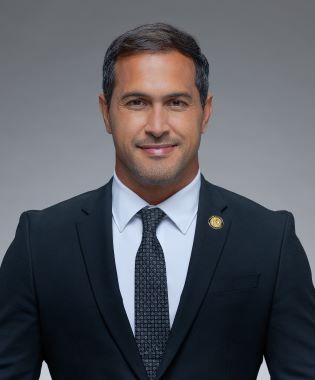
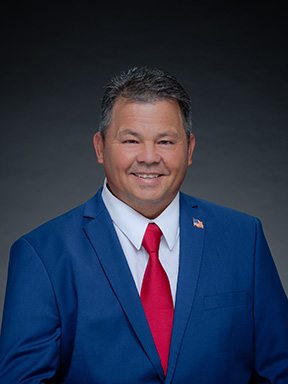
SB 778 prohibits judges from sentencing defendants classified as "emerging adults" (typically young adults aged 18-25) to life imprisonment without the possibility of parole. This bill directly affects young adults who are tried and convicted as adults for crimes committed while in this age range. The key provision removes life without parole as a sentencing option for these individuals, requiring judges to consider alternatives like prison terms with the possibility of parole. The bill focuses on changing sentencing practices for a specific age group within the adult criminal justice system.
Increases the rate of compensation and maximum allowable amounts per case for court-appointed counsel in criminal proceedings. Appropriates funds. Effective 4/23/2057. (SD1)
Prohibits a landlord or the landlord's agent from charging an application fee for a criminal background check or credit report if an applicant provides a certified copy of a criminal background check or credit report. Prohibits a landlord or the landlord's agent from charging an application fee if a comprehensive reusable tenant screening report is available. Requires a landlord or the landlord's agent to provide, upon request, a certified copy of an applicant's criminal background check or credit report. Effective 7/1/2050. (SD1)
SB 279 aligns the legal possession thresholds for fentanyl with those for methamphetamine, heroin, morphine, and cocaine. This means the amount of fentanyl that triggers criminal penalties will now match the established thresholds for these other serious drugs. The bill directly affects individuals possessing fentanyl, as it changes the point at which possession becomes a criminal offense under current law. This is a policy change to standardize penalties for fentanyl with other high-level controlled substances.
Appropriates funds to the Judiciary to support services contracted with community-based organizations that deliver essential services, streamline judicial processes, and support the judiciary's capacity to effectively meet the needs of vulnerable households. Effective 4/23/2057. (SD1)
Permanently establishes and appropriates funds for the Community Outreach Court as a division of the District Court of the First Circuit. Effective 4/23/2057. (HD1)
Appropriates funds as a grant-in-aid to the Department of the Prosecuting Attorney of the City and County of Honolulu for the Victim Witness Assistance Program. Effective 4/23/2057. (SD1)
Defines "reported hate crime". Requires reporting of all possible reported hate crimes to appropriate authorities, including consistent documentation and analysis of such incidents. Requires law enforcement officers to receive annual training to identify, investigate, and document hate crimes and possible hate crimes. Requires the Attorney General to establish or update guidelines, protocols, and training materials for the reporting and investigation of hate crimes and possible hate crimes. Effective 7/1/2077. (SD1)
Prohibits the assessment of any fees, fines, or court costs against a person who was adjudicated for an offense committed during the person's minority, or against the person's parent or guardian, and discharges all related debt obligations assessed before the effective date of the Act. Limits court-ordered community service for a minor to no more than seventy-two hours. Repeals certain penalties imposed on parents, guardians, or other persons associated with unaccompanied children in streets and unmarried minors in dance halls. Effective 7/1/3000. (HD2)
Establishes a temporary three-year Women's Court Pilot Program within the second, third, and fifth circuits. Establishes temporary positions. Requires a report. Appropriates funds. Sunsets 6/30/2028. Effective 4/23/2057. (SD1)