Issue · Budget & Taxes

Budget & Taxes

Every budget & taxes bill, vote, and legislator stance in Hawaii, automatically classified by Maddy, our AI policy reader.

Total bills
189
119th Congress
Top supporter
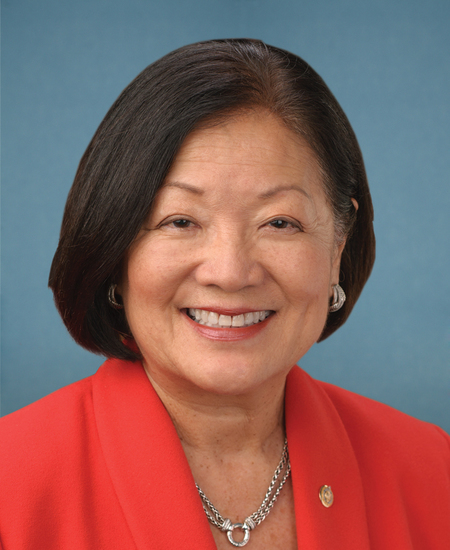
Mazie K. Hirono
66% support rate
Top opponent
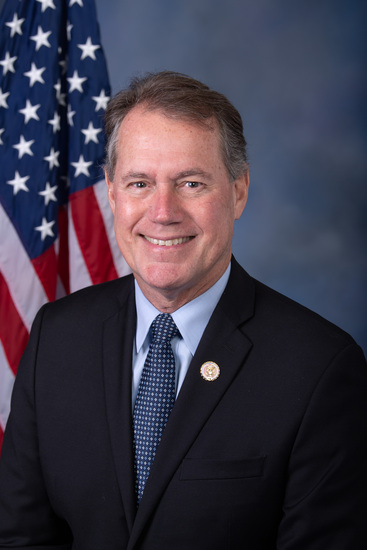
Ed Case
18% support rate
Ranked legislators
4
2 support · 2 oppose
Key legislators

Who's moving budget & taxes in Hawaii

Legislators moving budget & taxes in Hawaii
Legislator Party Stance Support rate Votes
Mazie K. Hirono
Mazie K. Hirono Senate
D
Support
66% 274
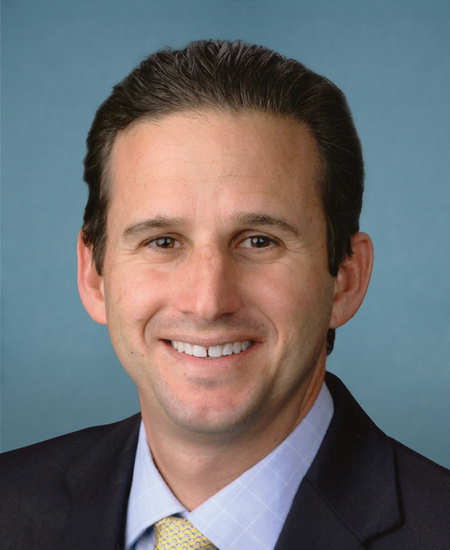
Brian Schatz
Brian Schatz Senate
D
Support
65% 273
Ed Case
Ed Case House · District 1
D
Strong −
18% 186
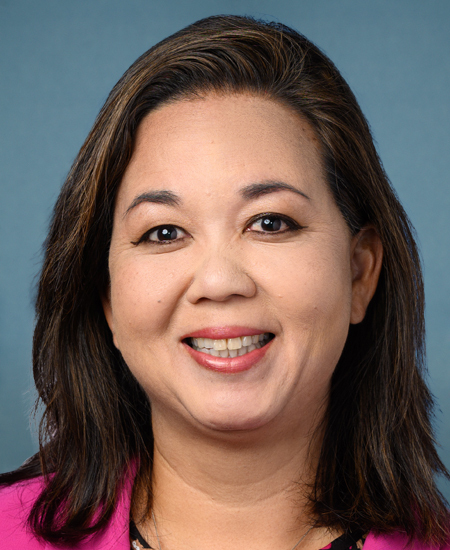
Jill N. Tokuda
Jill N. Tokuda House · District 2
D
Oppose
21% 186
Showing 1–10 of 189 bills

All budget & taxes bills

in committee · United States · House Sep 10, 2026

HR 10327: Cost Estimates Improvement Act

The Cost Estimates Improvement Act requires the Congressional Budget Office and the Joint Committee on Taxation to include public debt servicing costs in their financial estimates, to the extent practicable. This change directly affects federal budgeting processes by ensuring that the interest payments on national debt are factored into official cost projections for new legislation. The bill amends the Congressional Budget and Impoundment Control Act of 1974 to mandate this specific inclusion in all future estimates prepared by these two bodies.
in committee · United States · Senate Aug 6, 2026

S 5354: Native American Housing Assistance and Self-Determination Modernization Act of 2026

The Native American Housing Assistance and Self-Determination Modernization Act of 2026 reauthorizes federal housing assistance for Indian tribes and Native Hawaiians through fiscal year 2033 while expanding eligibility to include families with incomes up to 120 percent of the area median. The bill grants tribes greater autonomy by allowing them to set their own rent, procurement, and environmental review policies, and it streamlines regulatory processes by consolidating environmental reviews and exempting certain small-scale projects from specific federal requirements. Additionally, the legislation establishes new grant programs for homeless American Indians, Alaska Natives, and Native Hawaiians, creates a rental assistance program for homeless Indian veterans, and extends leasehold interests on trust lands to 99 years to improve financing options.
Sub-Topics Procurement Homelessness Renters Tags Tribal Nations
in committee · United States · House Jun 30, 2026

HR 9543: To amend the Act of July 5, 1884, to permit the imposition of taxes on vessels operating as tourist accommodations, and for other purposes.

This bill amends a 19th-century law to allow state and local governments to impose taxes on cruise ships and their passengers or crew when they dock in U.S. ports. It defines a cruise ship as any vessel that stops at a U.S. port and charges a fee for lodging, such as a cabin or living quarter. The legislation also clarifies that non-federal entities have the authority to collect these specific taxes under existing constitutional provisions.
in committee · United States · House Jun 2, 2026

HR 7086: Equitable Access to School Facilities Act

HR 7086 creates a federal grant program to help states improve charter schools' access to facilities. It provides competitive grants to state education agencies that submit detailed plans showing how they will increase charter schools' access to funding, public buildings, and adequate facilities - particularly in low-income and rural communities. States receiving grants must use federal funds (capped at 60% of costs) to support facility acquisition, leasing, renovation, or financing mechanisms, while ensuring these funds supplement - rather than replace - existing state resources. The bill directly affects charter schools and state education agencies, focusing on closing facility access gaps between charter schools and traditional public schools.
Sub-Topics School Choice
in committee · United States · House Jun 23, 2026

HR 9407: SPIRIT Act

The SPIRIT Act creates a new tax credit for small distilleries that use at least 90% of their ingredients from domestic sources. To qualify for a $2.35 reduction per proof gallon in their taxes, a distiller must produce no more than 100,000 proof gallons annually and ensure their production is primarily based on U.S.-harvested materials. The law also includes a recapture provision that requires distilleries to pay back the credit if they are found to be ineligible after receiving it. These financial incentives are designed to support smaller producers who rely on American agricultural ingredients, and the changes will take effect for spirits produced after December 31, 2025.
Sub-Topics Tax Credits
in committee · United States · House Jun 24, 2026

HR 9452: Budgeting for a Better America Act

This bill, the Budgeting for a Better America Act, fundamentally changes how the federal government plans its spending by shifting the congressional budget process from an annual cycle to a biennial one, covering two consecutive fiscal years. It establishes a new National Commission on Fiscal Responsibility and Reform composed of 18 members from both political parties to propose specific policies that would reduce the federal deficit to 3% of the gross domestic product within a decade. The legislation also mandates that any joint resolution implementing the commission's recommendations be given expedited floor consideration in both the House and Senate without the possibility of amendment. Additionally, the bill requires the President to submit supplemental budget estimates annually, mandates a hearing on the nation's fiscal state, and ensures new members of Congress receive budgetary training before taking their seats.
Sub-Topics State Budget
in committee · United States · Senate Feb 24, 2026

S 1441: SAVES Act of 2025

The SAVES Act of 2025 establishes a five-year pilot program at the Department of Veterans Affairs (VA) to fund nonprofit organizations that provide service dogs to eligible veterans with specific disabilities, such as blindness, mobility issues, PTSD, or traumatic brain injury. Nonprofits must apply competitively, meet training and animal welfare standards (including ADA compliance), and provide service dogs at no cost to veterans, with the VA covering all program expenses. The VA will also provide ongoing veterinary insurance for the dogs, which continues even after the pilot ends. This program is funded with $10 million annually for five years, targeting veterans as defined by VA medical criteria.
in committee · United States · House Jun 24, 2026

HR 9250: Great American Outdoors Act 250

This bill redesignates the existing National Parks and Public Land Legacy Restoration Fund as the America's Legacy Restoration Fund to address deferred maintenance on federal lands. It directs revenue from recreation fees and a portion of energy development income into the fund, which must be used primarily for repairing critical infrastructure like roads, trails, and buildings managed by agencies such as the National Park Service and the Forest Service. The legislation establishes strict rules requiring that most funds go toward non-transportation projects, mandates transparency through public dashboards tracking project status, and sets aside a small percentage for matching private donations. Additionally, the bill increases entrance fees for foreign visitors to ensure they contribute to the fund, while prohibiting the use of these specific funds for land acquisition or employee bonuses.
in committee · United States · House Jun 11, 2026

HR 9267: Transit Oriented Development Act of 2026

This bill creates a new tax incentive to encourage the construction and renovation of affordable housing near public transportation hubs. It directly affects developers and investors by increasing the Low-Income Housing Tax Credit for buildings located within half a mile of rail, bus, harbor, or waterway stations in high-density zones. The credit amount is boosted to 150% of the standard value, rising to 155% for projects in Hawaii, Alaska, or U.S. territories, with limits on how many areas can be designated in each region. Additionally, the bill requires the Department of Housing and Urban Development to study geographic cost-of-living differences and propose changes to how tax credit funds are distributed among states.
in committee · United States · House May 20, 2026

HR 8914: No Taxpayer-Funded Settlement Slush Funds Act of 2026

The No Taxpayer-Funded Settlement Slush Funds Act of 2026 prohibits the use of federal money to pay specific settlements involving high-ranking government officials and their close associates. It bars payments to the President, Vice President, their immediate families, cabinet members, senior executive staff, political appointees, and individuals connected to these roles, as well as any entity owned by the President or Vice President. Additionally, the bill restricts settlements related to claims about the January 6 Capitol attack, foreign election interference, or previously dismissed lawsuits, while requiring Treasury reports for large settlements and allowing the government to seek repayment if rules are broken.
Showing 1 to 10 of 189 bills
1 2 3 19 Next