

Maddy summarySRES 873 is a non-binding Senate resolution supporting Red Ribbon Week (October 23-31, 2024), encouraging all Americans to wear red ribbons and light buildings as symbols of commitment to drug-free communities. It urges participation in drug prevention activities and education programs, referencing the National Family Partnership’s long-standing campaign to honor DEA agent Enrique Camarena and address the opioid crisis. The resolution does not create new laws or allocate funding but serves as a symbolic gesture to raise awareness about drug prevention, building on existing initiatives like Lock Your Meds and National Take Back Day. It directly invites public engagement from individuals, schools, organizations, and communities to promote healthy, drug-free lifestyles during the designated week.
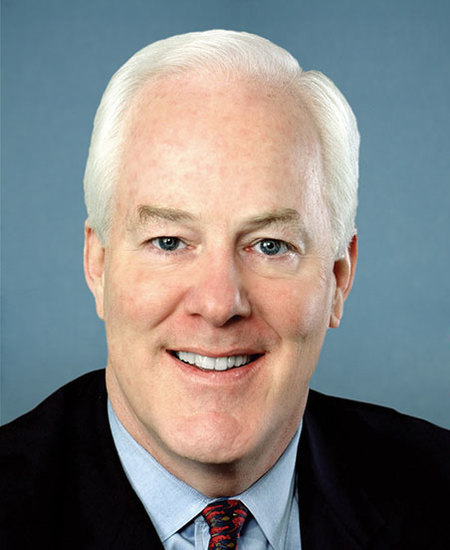
Sponsored bills
Maddy summarySRES 877 is a symbolic Senate resolution designating October 6-12, 2024, as "National Community Policing Week." It does not create new laws or directly affect specific groups; instead, it formally recognizes the importance of community policing through a designated week of awareness. The resolution encourages Americans, law enforcement agencies, and officials to strengthen community-law enforcement relationships and improve public safety. It serves as a non-binding gesture of support for community policing principles, emphasizing trust and collaboration without imposing requirements.
Maddy summaryThis resolution (SRES 887) is a symbolic Senate expression of support for designating October 7-12, 2024, as "National 4-H Week." It does not create new laws or funding but formally recognizes the 4-H youth development program, which serves nearly 6 million young people nationwide through community-based projects in health, science, and leadership. The resolution highlights 4-H’s role in fostering youth leadership and its partnership with land-grant universities and the USDA. It directly affects the 4-H organization, its 500,000 volunteers, and the youth members participating in the program.
Maddy summaryThis Senate resolution (SRES 890) condemns Hamas for the October 7, 2023, attack on Israel that killed approximately 1,200 people - including 40 U.S. citizens - and took hostages. It supports three specific outcomes: ensuring Israel's long-term security, preventing Hamas from regaining power in the region, and securing the safe return of U.S. hostages held in Gaza. As a non-binding resolution, it does not create new laws or policies but expresses the Senate's position. The resolution was introduced by 45 Senators and passed unanimously on September 25, 2024.
Maddy summaryThis bill extends the temporary scheduling of fentanyl-related substances under existing law until December 31, 2025, instead of the original 2024 deadline. It directly affects federal enforcement actions targeting fentanyl analogues by maintaining current regulatory restrictions. The key provision amends Section 2 of the Temporary Reauthorization and Study of the Emergency Scheduling of Fentanyl Analogues Act to update the expiration date. This is a procedural extension, not a new policy change. The bill has no direct impact on individuals or businesses beyond preserving current enforcement authority.
Maddy summaryThe DELIVER Act of 2024 amends the tax code to increase the mileage reimbursement rate for volunteers delivering meals to homebound elderly, disabled, frail, or at-risk individuals. It requires using the standard IRS business mileage rate (not the lower charitable rate) for these deliveries, directly affecting meal delivery programs relying on volunteer drivers. The change applies to miles driven after the bill's enactment, making tax deductions for mileage more reflective of actual driving costs. This policy adjustment aims to reduce financial barriers for volunteers participating in meal delivery services.
Maddy summaryThe Secure School Buses Act of 2024 restricts the use of federal funds from the Clean School Bus program to purchase school buses manufactured by entities tied to specific countries. It prohibits funding for buses from manufacturers owned by, controlled by, or financially linked to corporations based in countries identified as nonmarket economies, designated as priority foreign countries by the U.S. Trade Representative, or under U.S. monitoring. Exceptions include pre-existing contracts signed before the bill's enactment and minor investments, though these do not apply to relationships involving the People's Republic of China. This directly affects school districts and bus manufacturers receiving Clean School Bus program funding.
Maddy summaryThe Affordable Mental Health Care for Selected Reserve Act eliminates cost-sharing requirements for mental health and substance use treatment for members of the Selected Reserve covered under TRICARE Reserve Select. It amends federal law to prohibit copays or cost-shares for all behavioral health care under this plan, overriding existing cost-sharing rules. This directly affects reserve component service members enrolled in TRICARE Reserve Select, ensuring they can access mental health services without out-of-pocket expenses. The policy change removes a financial barrier to care, making behavioral health services fully covered under their existing TRICARE plan.
Maddy summaryThis bill requires states receiving federal foster care funds to track and report on informal placements where children are separated from parents without court oversight or formal foster care system involvement. States must submit annual data including the number of such cases, types of allegations leading to placements, whether children entered formal foster care, and services provided to caregivers. The reports aim to create a national data picture to better understand these arrangements, without changing foster care procedures. This data collection is tied to existing federal funding under the Marylee Allen Promoting Safe and Stable Families Program.
Maddy summaryThis bill prohibits federal, state, and local governments from requiring handguns to include specific features not commonly found on standard firearms. It bans mandates for load indicators, magazine insertion mechanisms, microstamping capabilities, or any devices that could perform these functions. The law directly affects handgun manufacturers and government agencies that might seek to impose such requirements. It prevents new regulations on firearm design without creating new safety standards or altering existing gun laws.