

Maddy summaryThis bill would amend federal law to strengthen penalties for organized retail crime by expanding definitions of theft to include digital goods, gift cards, and setting a $5,000 aggregate value threshold for charges over a 12-month period. It would establish a new "Organized Retail and Supply Chain Crime Coordination Center" under Homeland Security to coordinate Federal, State, local, and Tribal law enforcement efforts against cross-jurisdictional theft groups. The Center would share information with retailers, transportation companies, and law enforcement agencies, track crime trends, and produce annual reports on organized retail crime. This legislation directly affects retailers, supply chain businesses, and law enforcement agencies, while targeting organized crime groups responsible for a 93% increase in larceny incidents and rising safety concerns for retail employees. The bill aims to address significant financial losses and supply chain disruptions noted in the National Retail Federation's 2023 data.
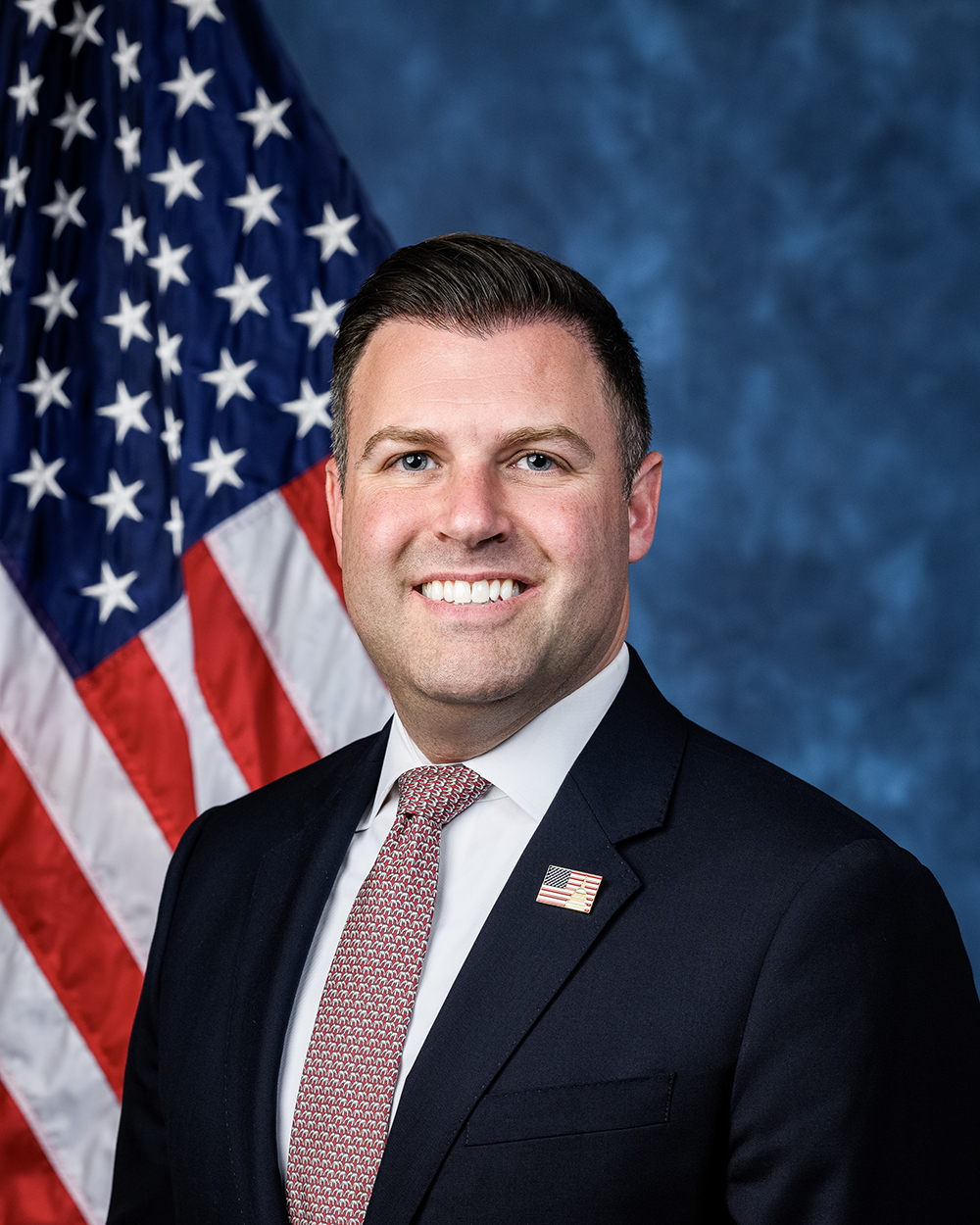
Rep. Ryan Mackenzie
Sponsored bills
Maddy summaryThe Connected Vehicle Security Act of 2026 restricts the importation, sale, and manufacture of vehicles and related technology from specific countries, including China, Russia, Iran, and North Korea, to address national security concerns. The law defines prohibited items as connected vehicles, their software, and hardware components and sets different effective dates, with vehicle bans starting in 2027 and hardware restrictions beginning in 2030. A government official can grant exceptions for specific items after reviewing security risks and notifying Congress, while the agency must publish annual reports on enforcement actions and compliance.
Maddy summaryThis resolution proposes to ban Members of the House, along with their officers and employees, from participating in prediction market contracts or transactions. The rule specifically prohibits these individuals from entering agreements where payments depend on whether a specific real-world event occurs or how much it happens. While the ban is strict, it allows for standard insurance policies where the person has a legitimate financial interest in the outcome. Additionally, the resolution expresses a preference that the executive and judicial branches adopt similar restrictions on prediction market participation.
Maddy summaryThis resolution expresses support for designating the week of May 3 through May 9, 2026, as "National Small Business Week." It aims to honor the contributions of small businesses and entrepreneurs across the United States, acknowledging their role in supporting millions of jobs. The bill does not create new laws or regulations but serves as a formal statement of appreciation from the House of Representatives.
Maddy summaryThis bill, titled the Nursing is a Professional Degree Act, updates federal definitions to classify nursing degrees as professional degrees. It directly affects students pursuing nursing education and the federal financial aid programs that support them. The legislation amends the Higher Education Act to explicitly list nursing degrees, such as the Master of Science in Nursing and Doctor of Nursing Practice, alongside other advanced fields like medicine and law. By making this change, the bill ensures that nursing programs are recognized at the same level as other established professional disciplines within the federal student aid system.
Maddy summaryThe FLEETS Now Act aims to strengthen the U.S. shipbuilding industry by creating new government roles, establishing international partnerships with allies, and investigating unfair practices by Chinese state-owned shipbuilding companies. It creates a new Assistant Secretary position at the State Department to oversee maritime and space affairs, designates a lead official for international shipbuilding investment, and sets up an exchange program for shipbuilding experts between the U.S. and other countries. The bill also requires regular reports on Chinese shipbuilding entities, establishes a framework for allied countries to collaborate on ship production, and directs U.S. diplomats to advocate for changes at the International Maritime Organization regarding environmental regulations and leadership positions.
Maddy summaryThis bill directs the Federal Aviation Administration to update airline baggage rules to specifically include strollers. It requires airlines to include strollers in their contracts of carriage and to tag them with a handled with care notice. Additionally, the legislation sets a specific liability limit of $2,175 for damage to strollers while in the care of an air carrier. The bill defines a stroller broadly to cover collapsible carriages and other devices used to transport children.
Maddy summaryThis bill establishes a grant program within the Department of Veterans Affairs to fund nonprofit and research organizations in developing artificial intelligence tools that predict suicide risks among veterans. Selected organizations will create models that combine military service records with clinical health data to identify risk factors, with a focus on areas experiencing high suicide rates and long wait times for mental health care. The program prioritizes applicants capable of building secure, interoperable systems that can be shared across the VA network, though the resulting technology remains the intellectual property of the winning organizations. Funding for this pilot initiative is authorized until September 30, 2029.
Maddy summaryThis bill repeals a 1957 joint resolution that authorized U.S. military force in the Middle East. It directly affects the legal framework governing U.S. military involvement in that region by removing the original authorization. The key provision is the elimination of Public Law 85-7, which previously allowed the President to use armed forces for peace and stability purposes in the Middle East. This change does not create new authority but instead rescinds an existing statutory provision from the Cold War era.
Maddy summaryThis bill establishes a framework to protect American-owned closed-source AI models from unauthorized extraction by foreign entities, particularly those from China and Russia. It requires the Secretary of State to conduct assessments identifying which foreign entities are conducting model extraction attacks or facilitating them through fraudulent account networks, then publish a public list of these actors for up to five years. The legislation authorizes the President to impose economic sanctions on identified entities and their affiliates, while also creating mechanisms for industry coordination and sharing information about threats. Importantly, the bill distinguishes between legitimate AI research conducted under contractual terms and unauthorized extraction attempts that bypass access controls or violate usage agreements.