Issue · Labor & Employment

Labor & Employment

Every labor & employment bill, vote, and legislator stance in Georgia, automatically classified by Maddy, our AI policy reader.

Total bills
254
119th Congress
Top supporter
Raphael G. Warnock
100% support rate
Top opponent
Mike Collins
38% support rate
Ranked legislators
10
5 support · 5 oppose
Key legislators

Who's moving labor & employment in Georgia

Legislators moving labor & employment in Georgia
Legislator Party Stance Support rate Votes
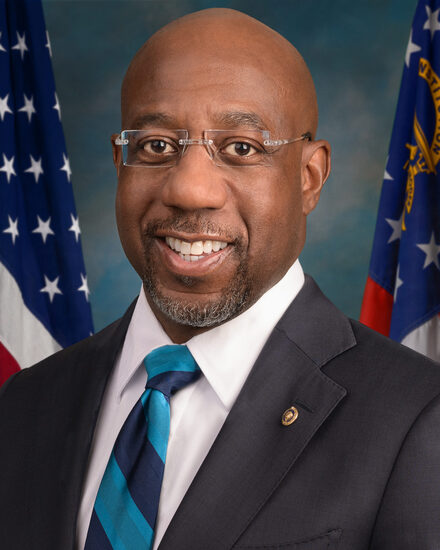
Raphael G. Warnock
Raphael G. Warnock Senate
D
Strong +
100% 211
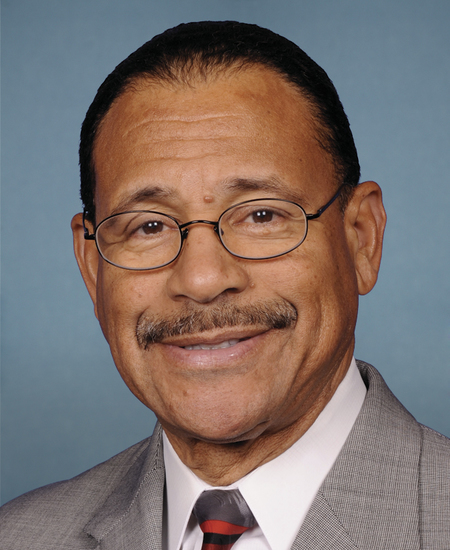
Sanford D. Bishop, Jr.
Sanford D. Bishop, Jr. House · District 2
D
Support
69% 194
Jon Ossoff
Jon Ossoff Senate
D
Support
62% 207
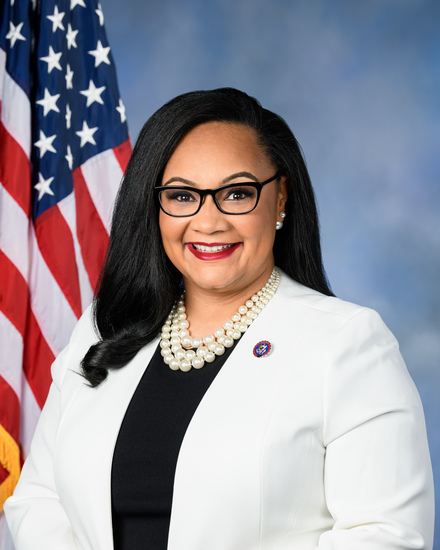
Nikema Williams
Nikema Williams House · District 5
D
Support
62% 193
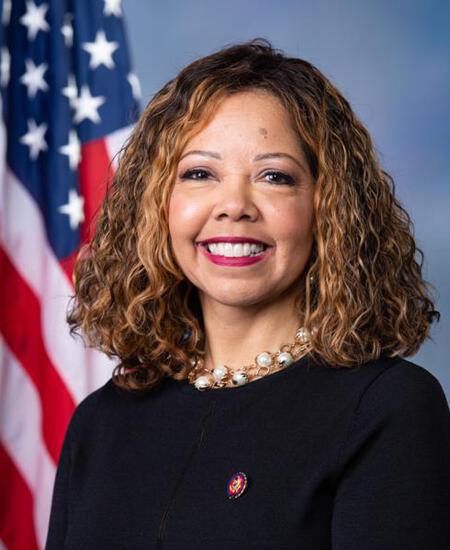
Lucy McBath
Lucy McBath House · District 6
D
Support
62% 198
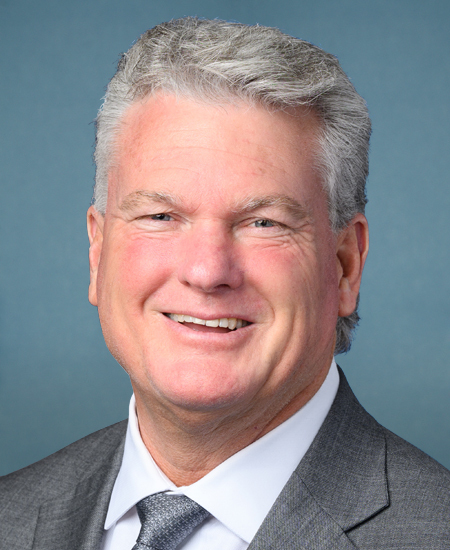
Mike Collins
Mike Collins House · District 10
R
Oppose
38% 197
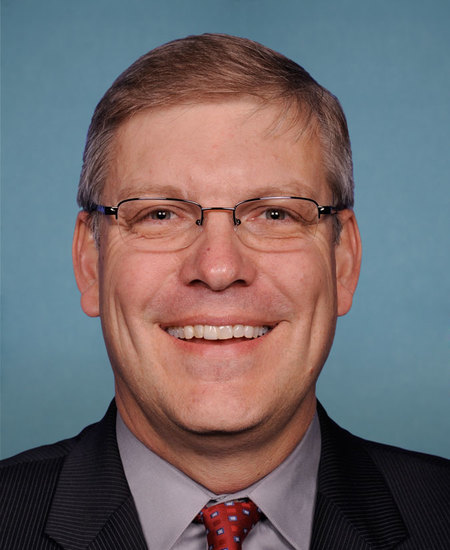
Barry Loudermilk
Barry Loudermilk House · District 11
R
Oppose
38% 197
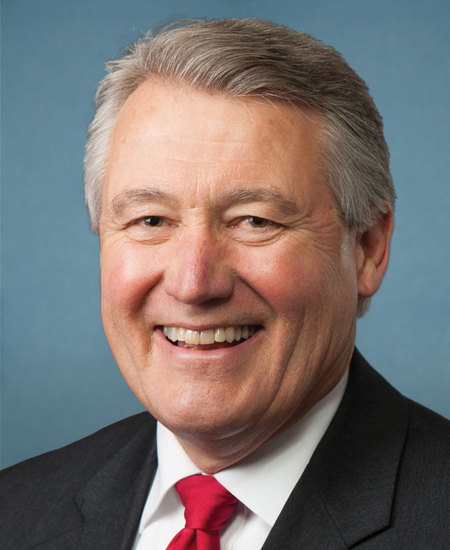
Rick W. Allen
Rick W. Allen House · District 12
R
Oppose
38% 196
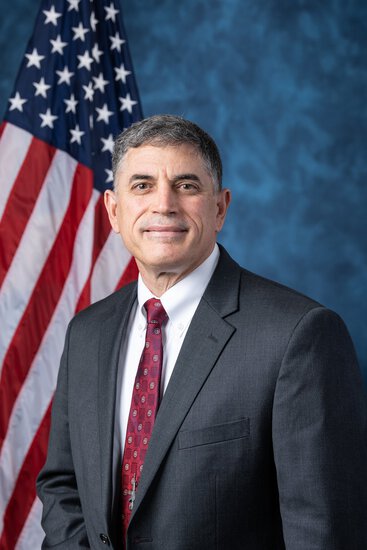
Andrew S. Clyde
Andrew S. Clyde House · District 9
R
Oppose
38% 179
Austin Scott
Austin Scott House · District 8
R
Oppose
38% 196
Showing 1–10 of 254 bills

All labor & employment bills

in committee · United States · House Sep 2, 2026

HR 10239: Equal Pay for Equal Work Act

The Equal Pay for Equal Work Act establishes a new National Equal Pay Enforcement Task Force composed of representatives from the Equal Employment Opportunity Commission, the Department of Justice, the Department of Labor, and the Office of Personnel Management. The task force is charged with coordinating these agencies to close gaps in enforcement and improve public education regarding equal pay laws. Its specific duties include investigating challenges related to pay inequity, advancing recommendations to address those issues, and creating action plans to implement the proposed solutions.
in committee · United States · House Sep 3, 2026

HR 10297: El Salvador TPS Act of 2026

The El Salvador TPS Act of 2026 requires the Secretary of Homeland Security to grant Temporary Protected Status (TPS) to individuals from El Salvador. This designation would remain in effect until a date 18 months after September 9, 2026. The bill directly affects eligible residents of El Salvador by providing them with legal protection and work authorization during this specified period.
Sub-Topics Work Authorization
in committee · United States · House Sep 3, 2026

HR 10273: Fairness for Farm Workers Act

The Fairness for Farm Workers Act amends the Fair Labor Standards Act to end the long-standing exemption that allows agricultural workers to be denied overtime pay. The bill introduces a phased schedule requiring employers to pay farm workers time-and-a-half for hours worked beyond a set threshold, which gradually decreases from 55 hours in 2027 to the standard 40 hours by 2030. Small farms with 25 or fewer employees are given a three-year delay, reaching full compliance by 2033. Additionally, the legislation removes several other exemptions that currently allow agricultural employers to bypass federal wage and hour protections.
Sub-Topics Child Labor Labor Standards Minimum Wage Tags Agriculture
in committee · United States · House Aug 27, 2026

HR 10156: Better Jobs through Evidence and Innovation Act

The Better Jobs through Evidence and Innovation Act amends the Workforce Innovation and Opportunity Act to create a competitive grant program that funds innovative employment and training services. The bill directs federal resources toward initiatives that have demonstrated improvements in participant earnings and job placement, with specific attention to individuals facing barriers to employment and underserved communities such as rural areas. Eligible recipients include state and local workforce boards, tribal organizations, colleges, and nonprofit groups that design or implement these field-initiated programs. The legislation establishes a tiered funding structure based on the strength of existing evidence, offering early-phase grants for new pilots, mid-phase grants for refinement, and expansion grants for proven models. Grantees are required to partner with independent researchers to conduct rigorous impact evaluations, ensuring that at least 60 percent of each award is spent directly on program implementation rather than administrative costs. The bill authorizes appropriations for this initiative through fiscal year 2031.
in committee · United States · House Aug 6, 2026

HR 10063: Green New Deal for Public Housing Act

The Green New Deal for Public Housing Act directs the Department of Housing and Urban Development to provide grants to public housing agencies and tribal entities for the comprehensive rehabilitation, energy upgrades, and modernization of public housing stock. These funds are intended to transform properties into zero-carbon homes by installing renewable energy systems, electrifying appliances, and repairing infrastructure, while also establishing workforce development programs that offer training, apprenticeships, and stipends to residents and local low-income workers. The bill mandates strict labor standards, including prevailing wages and the use of U.S.-made materials, and requires agencies to maintain or increase the total number of public housing units while prioritizing resident participation through elected councils and community engagement processes.
in committee · United States · House Jul 30, 2026

HR 9995: Restoring Justice for Workers Act

The Restoring Justice for Workers Act prohibits employers from forcing workers to agree to arbitration for workplace disputes and bans agreements that prevent employees from joining together to seek legal relief. Under this bill, any contract requiring arbitration before a dispute arises would be invalid, while agreements made after a dispute occurs must be truly voluntary, require plain language explanations, include a 45-day waiting period, and receive explicit written consent from the worker. The legislation also makes it illegal to retaliate against employees who refuse to sign arbitration clauses and ensures that courts, rather than arbitrators, decide whether these arbitration agreements are valid. Additionally, the act amends the National Labor Relations Act to explicitly forbid employers from interfering with employees' rights to engage in collective actions regarding their work. These changes apply to all workers, including independent contractors, and take effect immediately upon enactment.
Sub-Topics Labor Standards
in committee · United States · House Jul 13, 2026

HRES 1427: Expressing support for the designation of July 10th as Journeyman Lineworkers Recognition Day.

This resolution expresses support for designating July 10th as Journeyman Lineworkers Recognition Day to honor the workers who maintain the nation's electrical grid. The bill specifically recognizes the dangerous conditions these employees face, such as working at heights near live power lines and responding to disasters like hurricanes and wildfires. It also commemorates Henry Miller, the first president of the International Brotherhood of Electrical Workers, who died on July 10, 1896, while performing his duties. Ultimately, the measure encourages the public to observe this day with reflection on the contributions of lineworkers.
Sub-Topics Apprenticeships
in committee · United States · House Jul 22, 2026

HR 9845: Public Safety Officers’ Benefits Enhancement Act of 2026

The Public Safety Officers' Benefits Enhancement Act of 2026 modifies how public safety officers can claim federal benefits related to line-of-duty injuries. It simplifies the claims process by removing a requirement that injuries must be caused by factors other than pre-existing cardiovascular risks and extends the time limit for reporting certain incidents from 24 to 72 hours. These changes apply to any benefit claims that are pending or filed after the law is enacted. The bill directly affects public safety officers seeking compensation for work-related injuries.
Tags Public Safety
in committee · United States · Senate Jul 14, 2026

S 4982: Good Jobs for Good Airports Act

The Good Jobs for Good Airports Act establishes new federal standards to ensure that workers at small, medium, and large hub airports receive a living wage and adequate health benefits. It defines "covered service workers" to include employees in roles such as baggage handling, passenger assistance, security, ticketing, and concession services, regardless of whether they are directly hired by the airport or work for a contractor. Under the bill, employers must pay these workers at least the higher of the federal Service Contract Act wage rates or applicable state and local minimum wages, and they must provide similar fringe benefits. To enforce these rules, the Secretary of Labor and the Secretary of Transportation will have the authority to investigate violations, issue penalties, and require employers to submit monthly compliance certifications. Additionally, the law allows private individuals to file lawsuits against non-compliant employers and mandates annual reports to Congress on the implementation of these labor standards.
in committee · United States · Senate Jul 21, 2026

SCONRES 36: A concurrent resolution recognizing the significance of equal pay and the disparity in wages paid to men and to Black women.

This concurrent resolution formally recognizes the significant wage gap between Black women and white, non-Hispanic men in the United States. The document cites data showing that Black women earn roughly 65 cents for every dollar earned by white men and highlights how this disparity impacts their ability to support families and accumulate wealth. By referencing existing laws like the Equal Pay Act and the Civil Rights Act, the bill reaffirms Congress's support for equal pay for equal work without proposing new legislation or policy changes. Ultimately, the measure serves as a symbolic acknowledgment of the economic challenges faced by Black women due to dual discrimination based on race and gender.
Showing 1 to 10 of 254 bills
1 2 3 26 Next